Choosing the right Flexible Stone supplier in 2026 isn’t just about comparing prices online. There’s more to it if you really want a quality product. Flexible Stone can do wonders—think curved walls, columns, ceilings, or furniture surfaces that look totally natural. But here’s the thing: not all factories produce the same quality, even if their pictures look similar. So, a good, reliable supplier should be upfront—sharing clear technical details, providing physical samples, and giving you traceable production info, so you know what you’re getting.
Start with the material itself. Ask for samples that show the stone layer, backing mesh, adhesive side, and actual thickness. Then, try bending each sample gently around a small cylinder—see how it reacts. Any cracks, peeling, uneven coloring, or loose bits? That’s a red flag. Also, don’t forget to ask how they handle things like moisture resistance, fire safety, stability, and outdoor durability. These details are super important—imagine installing this on a damp bathroom wall or a sunny hotel entrance. A legit supplier should be able to explain installation guidelines and limitations without making stuff up or overselling what their product can do.
Experience comes through in their communication, too. Someone who knows what they’re talking about can recommend the right substrates, adhesives, joint treatments, and cleaning methods. They should also be transparent about packaging, batch consistency, lead times, and policies for replacements. It’s good to ask for recent project references or independent test reports if they have any. Sure, factory photos help, but they don’t tell the whole story. An in-person visit or a live video tour can really reveal how they store their materials and whether they stick to good production practices.
But hey, nobody’s perfect. Keep that in mind. Sometimes a sample might look great, but the larger batches could have subtle variations. So, I’d suggest setting all your requirements—like acceptable color differences and defects—before you order. It’s smart to compare at least three qualified suppliers and, beyond just price, think about their service and reliability. The cheapest isn’t always the best choice. Usually, the best supplier is the one who provides consistent quality, honest answers, and support if things get tricky during installation.
Define Flexible Stone: 1–5 mm Veneers, Resin-Backed Slate, and Hybrids
Flexible stone is not one uniform material. It usually means a 1–5 mm natural stone veneer, carefully split from slate, marble, or sandstone. A resin-backed slate sheet adds strength and keeps the thin surface stable during cutting. Hybrid panels combine stone dust, mineral fillers, mesh, and resin. Their appearance may resemble solid stone, but their structure behaves differently.
The 2024 UNEP Global Status Report states that buildings consumed 32% of global energy and produced 34% of energy-related carbon emissions in 2022. Thin Flexible Stone Panels can reduce material volume and handling weight, but the environmental benefit depends on resin content, transport, and service life. Ask for product weight, recycled content, and installation waste figures. Vague claims are not enough.
A reliable supplier should provide thickness tolerances, backing composition, fire results, water absorption data, and test methods. ASTM E96 can help assess water vapor transmission, while project-specific adhesion testing remains essential. Test it twice. Apply a sample to a curved wall, then inspect edges after moisture and heat exposure. The weak point is often the adhesive interface, not the stone face. I would avoid panels with uneven resin coverage, loose flakes, or strong chemical odor. Perfect samples can hide inconsistent production. Look closely.
2026 Top Flexible Stone Supplier: How to Choose the Best?
Flexible stone is commonly supplied as 1–5 mm veneer. The construction may include thin natural-stone veneers, resin-backed slate, fiberglass reinforcement, or hybrid backing systems. Use thickness as an initial comparison point, then verify flexibility, weight, backing, surface finish, test reports, and installation requirements with each supplier.
The chart shows representative nominal thicknesses within the widely used 1–5 mm flexible-stone range. Actual thickness can vary by stone, resin, reinforcement, texture, and manufacturing process.
Verify ASTM C97 Data: Water Absorption, Density, and Flexural Strength
2026 Top Flexible Stone Supplier: How to Choose the Best?
ASTM C97/C97M verifies water absorption and bulk specific gravity, not marketing claims. Ask suppliers for complete laboratory reports, including specimen size, conditioning, test date, and failure notes. Water absorption should be reported as a percentage by mass. Density should appear in kg/m³ or lb/ft³. These details matter because thin flexible stone can show different results from full-thickness stone. The Natural Stone Institute’s Dimension Stone Design Manual also stresses project-specific testing instead of universal acceptance values. A report without test conditions is incomplete.
Flexural strength needs separate verification. ASTM C880/C880M is the relevant method for dimension stone flexural testing. Check the tested orientation, span, loading direction, and whether results are average or minimum values. A high flexural number may still mislead when the backing layer, adhesive, or surface contains weak zones. I have seen clean-looking data sheets hide those practical differences. That weakness deserves attention. Ask for results from multiple batches, not one perfect sample.
Tips:
Compare absorption, density, and flexural strength together. Confirm units before comparing suppliers. Request at least five specimens when the project is critical. Review the lowest flexural result, not only the average. ASTM C97 and ASTM C880 provide test methods, but the project engineer should set suitable acceptance limits. Supplier quality records, independent laboratory evidence, and traceable batch numbers offer stronger proof than impressive photographs.
Compare ASTM E84 Ratings: Class A Means Flame Spread 0–25
2026 Top Flexible Stone Supplier: How to Choose the Best?
ASTM E84 ratings deserve careful attention when selecting
Flexible Stone Sheets
for interior walls. Class A means a flame-spread index from 0 to 25, according to ASTM International’s E84 test method. It does not mean the sheet is noncombustible or fireproof. The same standard also reports smoke-developed performance, commonly limited to 450 for Class A materials.
Details matter.
The test result applies to a specific product assembly. Thickness, backing, adhesive, surface coating, and installation can change performance. The 2024 International Building Code uses test-based classifications for many interior finish decisions, while the NFPA Fire Protection Handbook stresses that fire behavior depends on the complete assembly. I have seen specification sheets show “Class A” without clearly identifying the tested substrate. That should invite questions, not confidence.
Ask each supplier for the complete ASTM E84 report, laboratory accreditation details, sample thickness, mounting method, and smoke-developed index. Check whether the report covers the exact Flexible Stone Sheets being purchased. A supplier with strong technical support should explain limitations plainly. “Class A” is useful evidence, but it is only one selection factor. Installation instructions, adhesive documentation, lot consistency, and project code requirements still deserve review. Some details may remain imperfect, especially when decorative layers differ from tested samples.
Check EN 12326 Slate Standards: Absorption, Freeze–Thaw, and Durability
Choosing a 2026 flexible stone supplier requires more than checking color, thickness, or price. For exterior projects, ask whether the slate component follows EN 12326 requirements. This standard helps assess roofing and cladding slate through documented performance tests.
Water absorption matters because porous slate can darken, stain, or weaken after repeated wetting. Request the declared absorption class and test method. Then examine freeze–thaw results. In cold regions, trapped water expands inside tiny pores, creating flakes, cracks, or loose surfaces. A supplier should provide recent laboratory reports, not only a sales sheet.
Look closely.
Durability also depends on installation, backing, adhesive, and joint design. Flexible Stone Veneer may contain thin natural stone bonded to another layer, so EN 12326 compliance may apply only to the slate element. This detail is easy to miss. Ask for the complete product specification and exposure limitations. Compare test dates, sample thickness, and production batches. They should match the material you will receive.
A practical check is simple. Inspect several sheets under bright light and gently flex them within the recommended range. Uneven bonding, edge lifting, or powdery surfaces deserve questions. No test replaces proper installation. Still, vague answers are a warning sign. Even experienced buyers can overtrust attractive samples; real durability appears after seasons of rain, frost, and sunlight.
Test Product Performance: UV Exposure, Adhesion, Bending Radius, and Color
Choosing a 2026 Flexible Stone Cladding supplier requires more than viewing photographs. Product performance must survive controlled testing and practical installation checks.
For UV exposure, request results based on ASTM G154 or ISO 4892-3. ASTM G154 commonly uses eight hours of UV-A at 60°C, followed by four hours of condensation at 50°C. After testing, inspect fading, cracking, chalking, and surface peeling. Measure color change with CIE L*a*b* values, not only visual judgment. A small showroom sample can look stable, yet a dark exterior panel may fade noticeably after repeated heat cycles. I once trusted a color card too quickly. That was a useful mistake.
Adhesion needs measurable evidence. ASTM D3359 classifies cross-cut adhesion from 0B to 5B, while pull-off testing can quantify bond strength in MPa. Ask whether failure occurred at the adhesive, substrate, or stone surface. The failure location matters. For bending, request the minimum radius, test temperature, backing type, and number of repeated bends. A supplier should show photographs after bending, not just provide a radius figure. Industry testing guidance under ASTM D790 and related flexible-panel procedures can help compare methods, although the exact method must match the product structure. Test a corner, a seam, and a real wall substrate. Laboratory results are valuable, but installation errors still expose weak Flexible Stone Cladding quickly.
Audit Supplier Capability: MOQ, Lead Time, Warranty, and Test Reports
Choosing a flexible stone supplier requires evidence, not polished samples. Grand View Research valued the global natural stone market above USD 50 billion in 2023, increasing purchasing pressure across construction projects. Large demand does not guarantee reliable production.
Request a written MOQ by color, thickness, backing, and surface finish. A low MOQ may hide setup fees or inconsistent batches. Ask for production capacity, monthly output, and recent order records. Lead time should separate sampling, production, inspection, and shipping. Require a delivery schedule with buffer days. QIMA’s 2024 quality report highlights recurring factory nonconformities, proving that final inspection still matters. I would not trust an attractive deadline without production evidence.
Warranty terms deserve equal attention. Check coverage length, acceptable color variation, delamination limits, installation exclusions, and claim response time. Test reports should identify the exact product batch and laboratory. Ask for water absorption, flexural strength, abrasion resistance, fire performance, and freeze-thaw results where relevant. ASTM methods such as C880, C241, and C666 can provide useful comparison points, but one test rarely proves full suitability. That is the uncomfortable part. A supplier may provide valid reports for an older formulation. Verify dates and formulation changes. Keep approval samples, signed specifications, and inspection photos together. Small paperwork gaps can become expensive site problems.
Select by Lifecycle Cost: Materials, Installation, Waste, and Maintenance
2026 Top Flexible Stone Supplier: How to Choose the Best?
Select by Lifecycle Cost: Materials, Installation, Waste, and Maintenance
A low purchase price can still create a costly wall. Evaluate flexible stone through its full service life. Compare stone thickness, backing stability, adhesive compatibility, packaging, and expected yield. The U.S. EPA estimated 600 million tons of construction and demolition debris in 2018. Material selection and cutting plans matter. Ask suppliers for tested installation guidance, batch consistency, and documented cleaning limits. Samples should face heat, moisture, corners, and repeated handling before approval. Real projects are less perfect than brochures.
Installation waste deserves a separate calculation. Measure usable coverage, cutting losses, damaged sheets, and replacement stock. Lightweight panels may reduce handling effort, but labor still depends on substrate preparation and detailing. ISO 15686-5 identifies life-cycle costing as a method for comparing initial, operational, maintenance, and replacement costs. A cheaper sheet may need earlier repairs. That risk is easy to miss. UNEP’s 2023 Global Status Report states that buildings consume about 34% of global energy and produce about 37% of energy-related emissions. Durable finishes support broader carbon planning, although flexible stone alone cannot solve it.
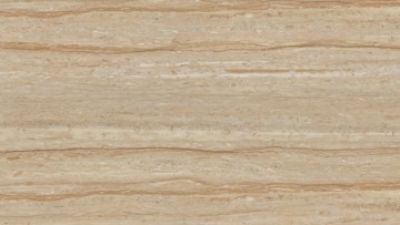
Golden Brown Thick-Grain Travertine Flexible Cladding: Design Benefits, Applications, and Installation Insights
Golden brown thick-grain travertine flexible cladding combines the visual warmth of natural stone with a more adaptable sheet format. Its deep horizontal stripes create prominent raised bands across the surface, while the rough pore texture preserves an authentic, earthy character. Golden and brown tones bring a rustic countryside atmosphere to façades, garden walls, fireplaces, feature walls, and pastoral-style interiors. The pronounced grain also adds visual depth, helping large surfaces feel more textured and distinctive without relying on decorative patterns.
The reinforced thick-grain structure improves resistance to everyday impact, making the cladding suitable for villa exterior walls, entrance areas, living rooms, restaurants, and hospitality spaces that require a durable natural finish. Its strong freeze-thaw performance allows use in colder northern regions, where exterior materials must withstand repeated temperature changes. Indoors, it can complement timber, limewash, matte metal, and warm neutral furnishings, creating a grounded yet refined setting.
Installation is simplified by the flexible sheet construction, which can follow gently curved surfaces and accommodate selected architectural details more easily than rigid stone panels. The substrate should be clean, stable, dry, and properly prepared before applying a compatible stone adhesive. Sheets should be aligned carefully along their horizontal grain, with joints planned to maintain a natural visual flow. For outdoor applications, edge sealing, drainage consideration, and professional fixing practices help protect the finish and support long-term performance.
: Why should slate materials be checked against EN 12326?
: EN 12326 helps assess slate for roofing and exterior cladding. It covers absorption, freeze–thaw behavior, and durability. Performance matters.
What information should a supplier provide about water absorption?
Request the declared absorption class and testing method. Porous slate may darken, stain, or weaken after repeated wetting.
Why are freeze–thaw results important in cold regions?
Trapped water expands inside tiny pores. This can cause flakes, cracks, and loose surfaces. Ask for recent laboratory reports.
Does the slate standard cover the entire flexible panel?
Not always. It may apply only to the thin natural stone layer. Request the complete specification and exposure limits.
How can buyers compare laboratory reports accurately?
Check test dates, sample thickness, and production batches. These details should match the material delivered to the project.
Which tests help evaluate exterior color stability?
Request UV exposure results using ASTM G154 or ISO 4892-3. Inspect fading, cracking, chalking, and peeling afterward. Visual checks can mislead.
How should adhesion performance be measured?
Cross-cut testing uses ratings from 0B to 5B. Pull-off testing reports bond strength in MPa. The failure location matters.
What should bending tests include?
Ask for the minimum radius, test temperature, backing type, and repeated-bend count. Request photographs after bending, not only a radius value.
Can laboratory testing replace installation checks?
No. Inspect several sheets under bright light. Check edge lifting, uneven bonding, and powdery surfaces. Test corners, seams, and real wall substrates.
What common buying mistake should be avoided?
Do not trust an attractive sample too quickly. I once trusted a color card prematurely. Later seasons reveal real durability.
Conclusion
Choosing the right flexible stone supplier in 2026 requires more than comparing prices or surface appearance. Start by understanding the product type, including 1–5 mm stone veneers, resin-backed slate, and hybrid constructions. Review ASTM C97 data for water absorption, density, and flexural strength, then compare ASTM E84 fire ratings, with Class A indicating a flame spread index of 0–25. For slate-based materials, EN 12326 testing can help evaluate absorption, freeze–thaw resistance, and long-term durability.
Before purchasing, request samples and assess UV resistance, adhesive performance, bending radius, surface consistency, and color stability. A reliable supplier should provide clear test reports, realistic MOQs, dependable lead times, transparent warranty terms, and responsive technical support. Finally, select products according to lifecycle cost rather than initial price alone. Consider material expenses, installation labor, cutting waste, transportation, repairs, and maintenance to identify the solution that offers the best balance of performance, appearance, and long-term value.
Ethan is a seasoned marketing professional with over a decade of experience in the industry, specializing in innovative solutions for exterior renovations. He possesses extensive knowledge of the company's patented, lightweight, and durable flexible stone technology, which is designed to meet the......

 +86 18942445383