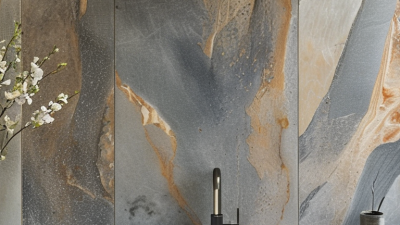
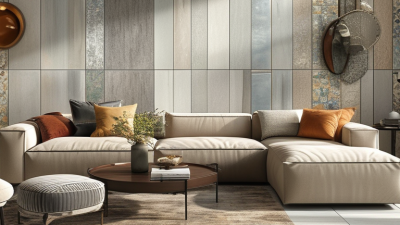
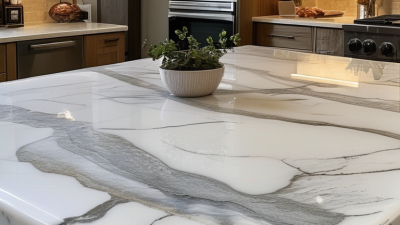
You know, in today’s world of modern architecture, Flexible Stone Panels have really started to make waves. I came across what expert John Smith from Stone Innovations once said—he’s pretty much a pro—about how these panels can turn boring, plain spaces into something really spectacular. Honestly, these panels mix looks and practicality in a way that a lot of folks find super appealing.
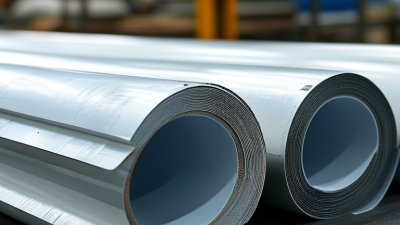
What’s cool about Flexible Stone Panels is how lightweight they are, which makes installing them way easier than traditional stone. They’re pretty versatile, too—they can be used anywhere, from cozy home interiors to big commercial projects. And the best part? Each panel keeps that lovely, natural stone look, but way lighter, which is a huge plus for architects and builders trying to keep things simple.
Of course, a few things to keep in mind—these panels, while tough, do need proper care if you want them to stay looking good over time. Also, with everyone’s focus on eco-friendly buildings these days, these panels are pretty attractive—they’re energy-efficient and produced in environmentally friendly ways, which definitely appeals to eco-conscious buyers.
That said, it’s important to really think about your specific needs and some limitations, since not all flexible materials behave the same. Getting to know these nuances can definitely help you make smarter decisions and really enjoy all the perks that Flexible Stone Panels have to offer.
Benefits of Flexible Stone Panels: An Overview
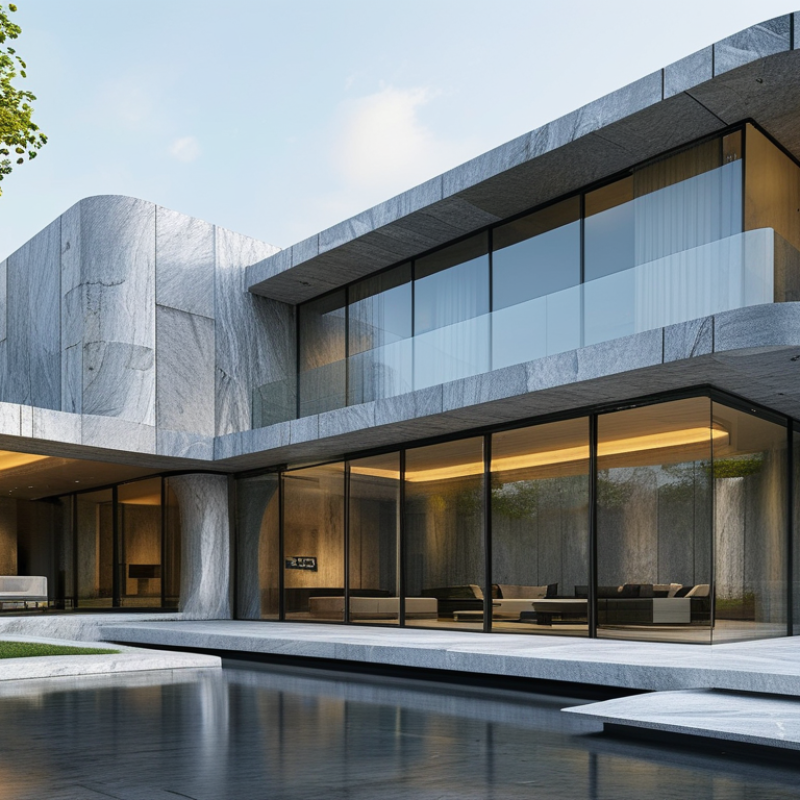
Flexible stone panels present numerous advantages for buyers, particularly in terms of aesthetics and practicality. These panels mimic the appearance of natural stone but are lightweight and easier to handle. This versatility allows for creative applications, enhancing both indoor and outdoor spaces. They can be used for accent walls or as statement pieces in commercial settings.
The installation process of Flexible Stone Wall Panels tends to be straightforward. Professionals or even skilled DIY enthusiasts can usually complete the task without complex tools. Their durability is also a noteworthy feature; these panels resist weather, scratches, and other wear. However, some buyers might need to consider their long-term maintenance. Though they are built to last, occasional care is necessary to keep them looking their best.
Another aspect to reflect on is the environmental impact. Many flexible stone wall panels are made from recycled materials, which is a plus. However, not all panels are created equal in this regard. Buyers should research the sourcing of the materials to ensure eco-friendliness. Flexibility in design and function can sometimes compromise sustainability, making informed choices crucial.
Lightweight Nature of Flexible Stone Panels
Flexible stone panels are revolutionizing the construction and design industries. Their lightweight nature is one of their most significant advantages. Typically, traditional stone can weigh over 100 pounds per square foot. In contrast, flexible stone panels can weigh as little as 1 pound per square foot. This reduction is not just a technical improvement; it allows for easier handling and installation, reducing labor costs.
Moreover, this lightweight characteristic opens up new possibilities for architects and designers. They can incorporate stone in places not previously feasible. For example, panels can be installed on walls or ceilings where structural support may be limited. A report from the International Journal of Civil Engineering and Technology highlights that the use of lightweight building materials can decrease overall project timelines by 30%. This efficiency can be crucial in competitive markets.
Tip: When choosing flexible stone panels, consider proper installation techniques. Inadequate application can lead to issues over time.
Despite their many benefits, flexible stone panels may not be suitable for all applications. Some users report concerns about durability in high-traffic areas. Testing and consulting experts can help mitigate these potential issues.
Tip: Always check for fire safety regulations when installing flexible stone panels in commercial spaces. Ensuring compliance prevents costly redesigns later on.
Ease of Installation and Maintenance
When considering home renovations, ease of installation is a primary concern for many buyers. Flexible Stone Veneer Panels provide a unique advantage in this regard. Their lightweight nature makes handling and cutting significantly easier. Contractors can complete projects quicker, reducing labor costs. This efficiency is appealing to anyone looking to manage their budget wisely.
Maintenance is another area where these panels shine. Unlike traditional stone, which often requires rigorous cleaning and sealing, Flexible Stone Veneer Panels are relatively straightforward to care for. A simple soap-and-water solution is usually sufficient for upkeep. Homeowners appreciate this low maintenance requirement, especially busy families or those new to home maintenance.
However, some buyers may need to be cautious. While the ease of installation can reduce labor, it might lead to overlooking essential preparation steps. Skipping proper surface checks or neglecting to follow installation guidelines can lead to problems down the track. Therefore, understanding the installation process is crucial for long-lasting results.
Benefits of Flexible Stone Panels for Buyers
Aesthetic Versatility of Flexible Stone Panels
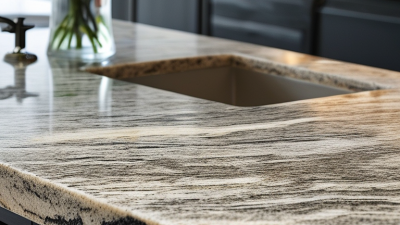
Flexible stone panels offer an impressive blend of aesthetic appeal and functionality. Their unique texture and natural appearance make them suitable for various applications. Whether for residential or commercial use, these panels provide a striking visual element. You can create stunning feature walls or enhance indoor spaces effortlessly. Many are drawn to the versatility they offer when planning a renovation.
The lightweight nature of Flexible Wall Panels allows for easy installation. This means you can transform your space without complicated procedures. You can use them in diverse settings, such as kitchens, bathrooms, or even outdoor areas. The vast array of colors and patterns ensures that every design vision can come to life. Mixing and matching different styles can create an eye-catching ambiance. However, potential buyers should also consider cleaning and maintenance needs, which can vary by texture.
Despite their many benefits, it’s essential to evaluate the long-term performance of flexible stone panels. Some may not withstand extreme weather conditions, impacting outdoor installations. Further, it's crucial to ensure that they meet fire safety regulations where necessary. Engaging with a knowledgeable contractor can help address any concerns regarding durability. Ultimately, while flexible wall panels bring beauty, mindful planning is key to achieving desired results.
Durability and Longevity of Flexible Stone Panels
When considering flexible stone panels, durability and longevity are paramount. These panels are engineered to withstand various environmental conditions. Unlike traditional stone, flexible stone panels resist cracking and chipping. They can endure extreme temperatures and moisture without losing their integrity. This means fewer repairs and replacements over time.
For buyers, investing in flexible stone panels offers long-term savings. Their composition is designed for resilience, allowing them to maintain their aesthetic appeal for years. However, installation quality is crucial. If not applied correctly, even durable materials can underperform. Improper installation can lead to issues such as peeling or detachment.
Tips for ensuring durability include choosing professional installers with experience in flexible stone. Always inspect the panels before use to check for defects. Additionally, regular maintenance can prolong their lifespan. Clean the surface to remove dirt and debris that could cause wear. Despite their many advantages, remain vigilant with upkeep to ensure the expected longevity.
What Are the Benefits of Flexible Stone Panels for Buyers? - Durability and Longevity of Flexible Stone Panels
| Benefit |
Description |
Estimated Lifespan |
Maintenance Requirements |
| High Durability |
Resistant to impacts, weather, and UV damage. |
25+ years |
Minimal; occasional cleaning recommended. |
| Lightweight |
Easier to handle and install compared to traditional stone panels. |
N/A |
No special requirements, standard handling precautions. |
| Versatile Applications |
Suitable for both interior and exterior use across various structures. |
N/A |
Depends on the application and location. |
| Cost-Effectiveness |
Lower installation costs and reduced transportation expenses. |
N/A |
Standard upkeep; no excessive expenses. |
| Aesthetic Appeal |
Available in a variety of finishes and colors to enhance design. |
N/A |
Occasional touch-ups may be required to maintain appearance. |
Cost-Effectiveness Compared to Traditional Stone Materials
Flexible Stone panels offer an innovative solution for buyers seeking cost-effective alternatives to traditional stone materials. According to recent industry reports, flexible stone can be up to 40% lighter than conventional stone. This significant weight reduction leads to lowered shipping and handling costs, making it an attractive option. In fact, the overall installation costs can be decreased by nearly 30%, mainly due to the ease of handling and faster installation times.
Moreover, flexible stone panels require less structural support. Many renovations demand strong frameworks that traditional stone necessitates. This factor can elevate costs and complicate projects. However, with flexible stone, fewer modifications to existing structures may be needed, which enhances budget efficiency.
Despite these advantages, buyers should still consider durability and longevity. While flexible stone is designed for resilience, it is essential to verify its performance under various environmental conditions. Some reports indicate that, under extreme weather, binding agents in flexible stone may require periodic maintenance. Thus, understanding these potential challenges is crucial for making informed decisions. Flexibility provides economic benefits, but assessing long-term implications is key to maximizing value.
Environmental Considerations in Using Flexible Stone Panels
Flexible stone panels offer unique environmental benefits. They are often made from natural stone and have a lower environmental impact compared to traditional building materials. According to a study from the Natural Stone Institute, using thin stone products can reduce material waste by up to 50%. This is crucial in a world where sustainability is paramount.
The production process for flexible stone panels typically involves less energy use. A report by the U.S. Department of Energy shows that reducing energy consumption during manufacturing can lower greenhouse gas emissions by approximately 30%. This aligns with global efforts to combat climate change. However, buyers should be aware of sourcing practices. Not all stone comes from eco-friendly quarries, highlighting the importance of ensuring sustainable practices.
Transporting flexible stone panels is also more efficient. Their lightweight nature allows for easier handling and reduced transportation costs. This translates into lower fuel consumption and fewer carbon emissions. Yet, it's essential to consider the full lifecycle of the product. Are they recyclable? How do they interact with their environment? These questions drive a deeper understanding of sustainability in every construction project.
FAQS
: Flexible stone panels are lightweight, practical, and offer aesthetic appeal. Their versatility makes them suitable for various applications.
Installation is straightforward. Skilled DIYers can typically complete the task without specialized tools.
Yes, they resist weather, scratches, and general wear. However, some maintenance is needed to keep them looking optimal.
Many panels use recycled materials, but sourcing should be researched. Eco-friendliness can vary among products.
Their light weight allows for easier handling, installation, and reduces labor costs, which shortens project timelines.
Not always. Some users report durability concerns in such settings. Testing is recommended before installation.
Always check fire safety regulations before installation, especially in commercial spaces, to avoid cost overruns.
Yes, they reduce waste and energy use during production. However, sourcing practices must be scrutinized for full sustainability.
Recycling capability varies. Buyers should research how panels interact with their environment for a comprehensive assessment.
Proper installation techniques are essential. Inadequate applications can lead to problems down the road.
Conclusion
Flexible Stone Panels offer a variety of advantages for buyers looking for innovative and practical building materials. One of their key benefits is their lightweight nature, making them easier to handle and install than traditional stone products. This ease of installation can lead to reduced labor costs and quicker project completion times, while the low maintenance requirements further enhance their appeal.
In addition to practical benefits, Flexible Stone Panels provide aesthetic versatility, allowing for creative designs that can enhance the appearance of any space. They are also known for their durability and longevity, resisting wear and tear over time. Moreover, when compared to traditional stone materials, these panels are often more cost-effective, making them a smart investment. Lastly, their environmental considerations, such as reduced waste during production and lighter transport, contribute to their growing popularity in sustainable building practices.
 +86 18942445383

 Contact Email