Leave Your Message
0%

Picking the best Artificial Stone Panels in 2026 isn’t just about comparing colors, prices, or how shiny everything looks in a showroom. Honestly, the right panel has to balance a lot: appearance, durability, upkeep, installation demands, and indoor air quality. It also needs to handle whatever the room throws at it every day. A kitchen backsplash, for example, deals with heat, grease, and harsh cleaning sprays. A bathroom wall? Moisture, steam, and constant wiping.

Dr. Andrew Dent, Executive Vice President of Material Research at Material ConneXion, puts it well: “Performance begins with the application, not the appearance.” That’s the mindset behind this review. We look at porcelain-based panels, quartz surfaces, acrylic composites, and other engineered options. The real differences show up in details—edge finishing, visible joints, impact resistance, and whether the color still holds up next to a window.

No panel wins every test. Some look great at first but start feeling repetitive across a large wall. Others fight stains well but need special cutting equipment. And a cheaper purchase price can quietly lead to higher installation costs. That part matters more than people think.

This guide compares leading Artificial Stone Panels using practical experience, technical evidence, and design flexibility. It covers homes, hospitality spaces, retail interiors, and commercial projects. We also push back on common marketing claims. A panel labeled “maintenance-free” still needs careful cleaning. A product called “stone-like” can look beautiful, sure, but it may not match the depth of real stone.

The best choice isn’t always the most expensive one. It’s the panel that performs honestly in the setting it’s meant for. And that decision deserves a closer look.
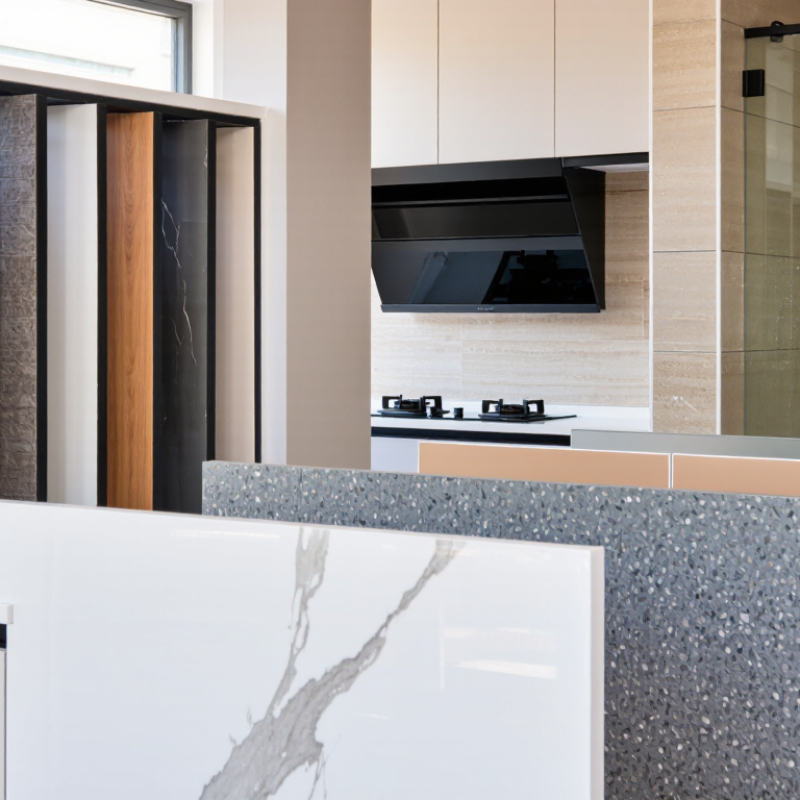
What Are the Best Artificial Stone Panels in 2026?

What Are Artificial Stone Panels?

Artificial stone panels are manufactured wall coverings designed to resemble natural rock, brick, or cut stone. They are usually made from cement, resin, polymers, or lightweight mineral blends. During production, molds create surface textures, color variation, and realistic edges. Some panels feel cool and grainy, while others have a smoother finish.

Unlike solid masonry, these panels are thinner and easier to transport. Their lighter weight can reduce structural demands during interior renovations. Many can cover living rooms, reception areas, fireplaces, and sheltered exterior walls. However, appearance is only one consideration. Moisture resistance, impact strength, ultraviolet stability, and fire performance differ between products. Always review independent test results and installation documents.

On a recent renovation, I handled several samples before choosing a panel. The best surface showed uneven tones instead of repeated patterns. It also had clear instructions for cutting, sealing, and maintaining joints. Artificial Stone Wall Panels may use adhesive, mechanical fasteners, or both, depending on the wall and location. Poor preparation can cause loose edges or visible seams. That detail is easy to underestimate.

A small imperfection can look more natural. Too much repetition cannot. Check panels under warm and cool lighting before installation. Ask whether replacement pieces remain available. I would also test one hidden section first, because a convincing sample does not guarantee an easy installation. Performance claims deserve careful verification, especially in damp or high-traffic spaces.

Which Types of Artificial Stone Panels Are Available in 2026?

In 2026, Artificial Stone panels are available in several distinct types. Engineered quartz combines mineral aggregate with resin, creating consistent colors and low-porosity surfaces. It suits kitchen walls, reception desks, and bathroom surrounds. Cultured marble uses resin and stone powder, often with an integrated glossy finish. It is lighter than many natural slabs, but scratches can remain visible.

Porcelain and sintered-stone panels offer thin formats, sharp veining, and strong heat resistance. Large sheets can reduce grout lines around shower walls. Glass-fiber-reinforced concrete provides a textured, architectural appearance, while polymer-based faux-stone panels are easier to cut and install on interior feature walls. Polyurethane panels are lightweight, though their surface realism varies widely. Inspect the edges closely.

Grand View Research’s engineered-stone analysis reports continued market growth through the decade, supported by residential renovation and commercial construction. Global Market Insights also identifies rising demand for lightweight decorative surfaces and faster installation. These reports support broader availability, not automatic quality. Panel thickness, fire classification, water absorption, and fixing systems still require professional verification. ASTM and local building standards should guide specification.

My practical caution is simple: showroom samples can mislead. A panel may resemble slate under soft lighting, yet repeat visibly across a long wall. Check three or four sheets together. Also review warranty limits, especially near heat, moisture, and direct sunlight. Even premium-looking Artificial Stone can fail when the substrate moves or installation ignores expansion.

How Are Artificial Stone Panels Made?

Artificial stone panels begin with a carefully measured blend of mineral aggregate, resin, pigments, and performance additives. Stone Artificial products may use quartz, marble dust, or recycled mineral particles. Manufacturers mix these materials until the color and texture become consistent.

The mixture enters a mold under controlled pressure. Vibration helps remove trapped air. Some factories also use vacuum systems for denser panels. After curing, workers trim the edges and inspect each surface. They check thickness, color variation, bonding strength, and water absorption. A textured mold can create realistic veins, rough pores, or a split-stone finish. The surface may then receive sanding, sealing, or a protective coating.

Small differences remain.

Tips: Ask for a sample before ordering. Place it beside natural light, warm lighting, and nearby flooring. Check the rear surface for even reinforcement. Confirm the panel’s weight, fire rating, moisture resistance, and installation method. For wet rooms, test the joints and sealant system, not just the panel itself. Experienced installers also leave movement gaps where temperature changes may occur. I would not judge quality from appearance alone. A convincing face can hide weak edges or uneven density. The best artificial stone panels in 2026 should balance realistic detail, stable manufacturing, safe materials, and reliable long-term performance.

What Features Define the Best Artificial Stone Panels?

The best artificial stone panels begin with a stable core, not a convincing surface alone. A dense, well-bonded structure should resist warping, cracking, and edge damage during transport. Check the panel’s weight, thickness, backing material, and published test data before judging its appearance.

Moisture resistance matters in kitchens, bathrooms, and changing indoor temperatures. Look for low water absorption and sealed joints that limit hidden dampness. For exterior use, UV stability and freeze-thaw performance are equally important. A panel may look realistic in a showroom, yet fade beside a sunny window. That detail is easy to miss.

Fire performance, indoor emissions, and slip resistance should match the installation area. Reliable manufacturers provide clear technical sheets, care instructions, and independent test results. Installers should also confirm wall flatness, adhesive compatibility, cutting requirements, and expansion gaps. Poor preparation can make a quality panel fail early.

Texture deserves careful inspection. Deep, irregular relief usually creates more natural shadows than repeated printed patterns. Still, excessive texture collects dust and complicates cleaning. I would choose a slightly less dramatic surface if it feels stronger and easier to maintain. No panel is perfect. The best choice balances realism, safety, durability, installation effort, and long-term maintenance.

How Should Artificial Stone Panels Be Compared?

In 2026, the best artificial stone panels should be judged beyond surface appearance. A realistic Artificial Stone Wall needs consistent texture, balanced color, and convincing depth. Compare several samples under daylight and warm indoor lighting. Small color changes can become obvious across a large wall. I once approved a sample too quickly, then noticed uneven joints after installation. That mistake changed my checking process.

Compare panel weight, thickness, density, and water absorption. A lighter panel may simplify handling, but it can feel less solid and resist impacts poorly. Ask for tested fire-performance and moisture-resistance data, not vague claims. Check whether the backing suits concrete, drywall, or exterior masonry. Installation instructions should explain adhesive type, joint spacing, cutting methods, and ventilation needs. Missing details are warning signs.

Look closely at edges and corners. Good panels maintain a stable pattern without obvious repetition every few feet. Measure ten pieces from one batch, because dimensions can vary slightly. Outdoor projects also need evidence of ultraviolet stability and freeze-thaw performance. Request a physical sample before ordering a full shipment. It may reveal an unpleasant issue: the printed surface looks realistic, but the cut edge looks plastic. A professional comparison includes labor, waste, repairs, and cleaning, not only the price per square meter. Cheap choices can become expensive.

Which Applications Suit Different Artificial Stone Panels?

Artificial stone panels suit different applications because their cores, surfaces, and installation systems vary. Lightweight polyurethane panels work well on living-room feature walls, reception desks, and bedroom headboards. They are easier to cut than solid masonry and place less weight on interior partitions. Their textured surfaces can imitate split stone, stacked slate, or weathered brick with convincing shadows.

Porcelain or engineered stone panels are better for kitchens, bathrooms, and commercial counters. Their dense surfaces resist stains, moisture, and frequent cleaning when joints are sealed correctly. Large panels create fewer grout lines behind a sink, which improves hygiene and visual continuity. However, cutting them requires accurate tools and experienced installers. Small mistakes become expensive quickly.

Exterior facades need panels rated for ultraviolet exposure, temperature changes, wind, and water drainage. Fiber-reinforced cement panels can suit ventilated cladding systems, while thin manufactured stone veneers work well around entryways and garden walls. Not every panel works. A glossy interior panel may fade outdoors, and a porous decorative panel may fail near a shower.

Check fire ratings, impact resistance, substrate requirements, and local installation rules before choosing. I have seen attractive panels perform poorly because installers ignored expansion gaps or trapped moisture behind them. That detail matters. Sample panels should be viewed under the actual room lighting, not only in a showroom. Even realistic textures can look artificial when repeated across a large wall.

What Are the Best Artificial Stone Panels in 2026? - Which Applications Suit Different Artificial Stone Panels?

Artificial Stone Panel Type Typical Composition Common Thickness Typical Weight Range Moisture Resistance Heat and UV Performance Best-Suited Applications Main Considerations
Sintered Stone or Porcelain Panels Compressed and fired mineral materials, commonly including porcelain, feldspar, silica, and other natural minerals. Approximately 3–12 mm for cladding and large-format surfaces; thicker versions are also available. Approximately 7–30 kg/m², depending on thickness and format. Very high Very good resistance to heat, sunlight, staining, and many household chemicals. Exterior façades, ventilated rainscreens, commercial walls, kitchen backsplashes, bathrooms, floors, and fireplace surrounds. Rigid and relatively brittle during handling; requires accurate cutting, suitable support, and professional installation.
Quartz Composite Panels Engineered stone made primarily from quartz aggregates bound with polymer resin and pigments. Usually about 12–30 mm for slabs and surface panels. Approximately 30–75 kg/m², depending on thickness. High when seams are properly sealed Good indoor performance; prolonged direct sunlight may affect some resin-bound colors, and direct high heat can damage the binder. Indoor kitchen worktops, vanity tops, reception counters, wall cladding, and high-traffic interior surfaces. Not the first choice for exposed exterior façades or direct contact with very hot cookware; heavy panels need strong cabinetry or wall support.
Acrylic Solid-Surface Panels Acrylic or polyester resin combined with mineral fillers and color pigments. Commonly about 6–13 mm, with thicker edge build-ups available. Approximately 12–25 kg/m². Very high with properly sealed joints Good indoor heat performance within the manufacturer’s limits; color stability outdoors varies by formulation. Seamless bathroom walls, shower surrounds, healthcare interiors, reception desks, curved counters, and hygienic wall protection. Can scratch more easily than quartz or porcelain, although many surfaces can be sanded and refinished.
Cultured Marble or Resin Panels Mineral fillers, resin binders, pigments, and a protective gel-coat or surface finish. Typically about 6–20 mm, depending on the product and reinforcement. Approximately 15–35 kg/m². High Suitable for normal indoor temperatures; prolonged outdoor exposure and high heat can reduce finish durability. Bathroom wall panels, shower enclosures, vanity surrounds, utility rooms, and economical interior renovation projects. The surface coating can chip or discolor if exposed to abrasive cleaners, sharp impacts, or unsuitable chemicals.
Glass-Fiber-Reinforced Concrete Panels Cementitious matrix reinforced with alkali-resistant glass fibers, mineral aggregates, and pigments. Often about 12–30 mm, with engineered profiles available for façade systems. Approximately 30–70 kg/m², depending on design and reinforcement. High when detailed and installed correctly Very good exterior durability and non-combustible mineral behavior; joints and drainage must be properly designed. Exterior façades, rainscreen systems, feature walls, landscape structures, public buildings, and large architectural forms. Heavier than resin-based alternatives; requires engineered anchors, movement joints, and appropriate substructure design.
Lightweight Polyurethane Faux-Stone Panels Rigid polyurethane foam or polymer composite molded with mineral-like textures and protective coatings. Usually about 20–60 mm, including molded relief and texture. Approximately 3–10 kg/m². Moderate to high, depending on joints and coating Suitable for many protected exterior areas; long-term UV, impact, and fire performance must be verified for the specific product. Interior accent walls, retail displays, hospitality interiors, lightweight renovations, and selected sheltered exterior walls. Not equivalent to mineral stone in fire, impact, or weather performance; confirm code approvals before commercial or façade use.
Glass or Mineral-Composite Panels Glass, mineral powder, resin, and decorative pigments formed into thin architectural panels. Commonly about 4–12 mm. Approximately 10–25 kg/m². High when edges and joints are sealed Good stain and moisture resistance; temperature limits depend on the resin content and backing system. Decorative wall panels, illuminated feature walls, hospitality interiors, bathroom accents, and furniture surfaces. Can be sensitive to edge damage and point impact; requires careful transportation, cutting, and compatible adhesives.
Selection note: Performance varies by formulation, thickness, reinforcement, surface finish, installation method, and local building requirements. Always verify technical data, fire classification, slip resistance, UV rating, and approved fixing details for the intended application.

How Do You Choose and Maintain Artificial Stone Panels?

Choosing artificial stone panels in 2026 requires more than comparing colors. Grand View Research estimated the global engineered stone market at over 24 billion dollars in 2023. That growth brings more products, but also uneven quality. Ask for water absorption, flexural strength, fire classification, and freeze-thaw test results. These figures should match the intended wall, climate, and installation method.

Inspect the panel edges before buying. Clean cuts should look dense, not chalky or excessively porous. For wet rooms, select low-absorption panels and use compatible sealants around joints. For exterior walls, confirm drainage space, mechanical fixing, and local wind-load requirements. ASTM test references can help, but they do not replace project-specific installation guidance. A panel that performs well indoors may fail after repeated freezing and thawing.

Maintenance is usually simple. Remove dust with a soft brush, then use pH-neutral soap and clean water. Avoid abrasive pads, bleach-heavy cleaners, and untested solvents. Check seams twice a year, especially below windows and near corners. Small movement cracks deserve attention early. I have found that rushed repairs often make discoloration worse. Keep a spare panel from the original batch; replacement color can vary noticeably after sunlight exposure. Reports describe market growth, but they cannot predict every site condition. Your installer’s experience still matters.

What Are the Best Artificial Stone Panels in 2026?

Typical maintenance requirements vary by panel type. Quartz and sintered stone are non-porous materials that generally do not require periodic sealing, while engineered marble commonly benefits from resealing about every 1–2 years. All panel types should be cleaned with a soft cloth and a pH-neutral cleaner, while abrasive pads and strong acids should be avoided.

The chart shows typical resealing intervals in years. A value of 0 indicates that routine sealing is generally not required under normal indoor use. Always follow the care instructions supplied for the specific panel.

FAQS

What types of artificial stone panels are available in 2026?

Common types include engineered quartz, cultured marble, porcelain, sintered stone, reinforced concrete, polymer, and polyurethane panels. They differ in weight, texture, heat resistance, and installation needs.

Which panels suit kitchen walls and bathroom surrounds?

Engineered quartz suits kitchen walls and reception surfaces because it has consistent color and low porosity. Porcelain and sintered stone work well around showers and other warm areas. Always verify heat and moisture ratings.

How are artificial stone panels manufactured?

Manufacturers combine mineral particles, resin, pigments, and performance additives. The mixture enters molds under pressure and vibration. Vacuum processing may remove trapped air. Workers then cure, trim, coat, and inspect the panels.

Are artificial stone panels lighter than natural stone?

Some are lighter, especially cultured marble, polyurethane, and polymer-based panels. Weight still varies with thickness and reinforcement. Check the actual panel weight before planning delivery or wall fixing.

Can artificial stone panels imitate natural stone convincingly?

Yes, textured molds can create veins, pores, and split-stone finishes. However, repeated patterns may appear across a long wall. Inspect three or four sheets together. Soft lighting can deceive you.

What should buyers check before ordering panels?

Request a physical sample and place it beside natural light, warm lighting, and nearby flooring. Check thickness, edge strength, surface consistency, water absorption, fire classification, and fixing requirements. Appearance alone is not enough.

Are artificial stone panels suitable for wet rooms?

Many are suitable when the joints, sealant, substrate, and movement gaps are correctly designed. Test the complete joint system, not only the panel. Water can enter through weak connections.

Do artificial stone panels resist heat and scratches?

Porcelain and sintered stone generally provide strong heat resistance. Cultured marble may show scratches clearly. Performance depends on the product, thickness, coating, and installation environment. Read the limitations carefully.

Why can a good-looking panel fail after installation?

Substrate movement, weak edges, uneven density, or missing expansion gaps can cause problems. Heat, moisture, and direct sunlight may also exceed warranty limits. I would not trust a beautiful face alone.

Conclusion

Artificial Stone Panels are engineered wall and surface materials designed to recreate the appearance of natural stone while offering more consistent quality, easier installation, and flexible design options. In 2026, available types may include lightweight composite panels, cement-based panels, resin panels, and textured decorative systems, each with different levels of durability, moisture resistance, weight, and visual realism. Their production commonly combines mineral aggregates, binders, pigments, and reinforcing layers, followed by molding, curing, and surface finishing.

The best Artificial Stone Panels balance authentic appearance, structural stability, low maintenance, dimensional consistency, and suitability for the intended environment. Comparisons should consider panel thickness, weight, installation method, fire and moisture performance, lifespan, cleaning requirements, and overall project cost. Interior walls, feature areas, kitchens, bathrooms, commercial spaces, and selected exterior applications may require different specifications. Careful measurement, proper substrate preparation, correct sealing, and routine gentle cleaning help preserve both appearance and performance over time.
Sophia

Sophia

Sophia is a seasoned marketing professional with over a decade of experience in the industry. Her expertise lies in promoting innovative, lightweight, and environmentally sustainable flexible stone solutions tailored for various projects, including exterior renovations, luxurious villas, cultural......
Previous How to Choose the Best Flexible Stone Veneer from China?