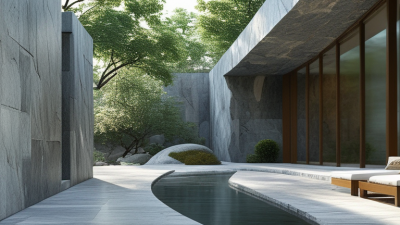
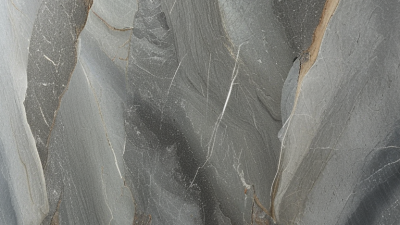
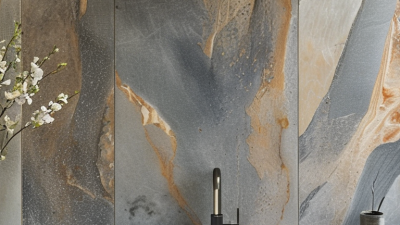
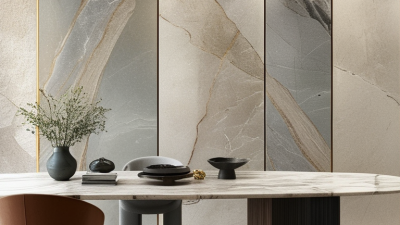
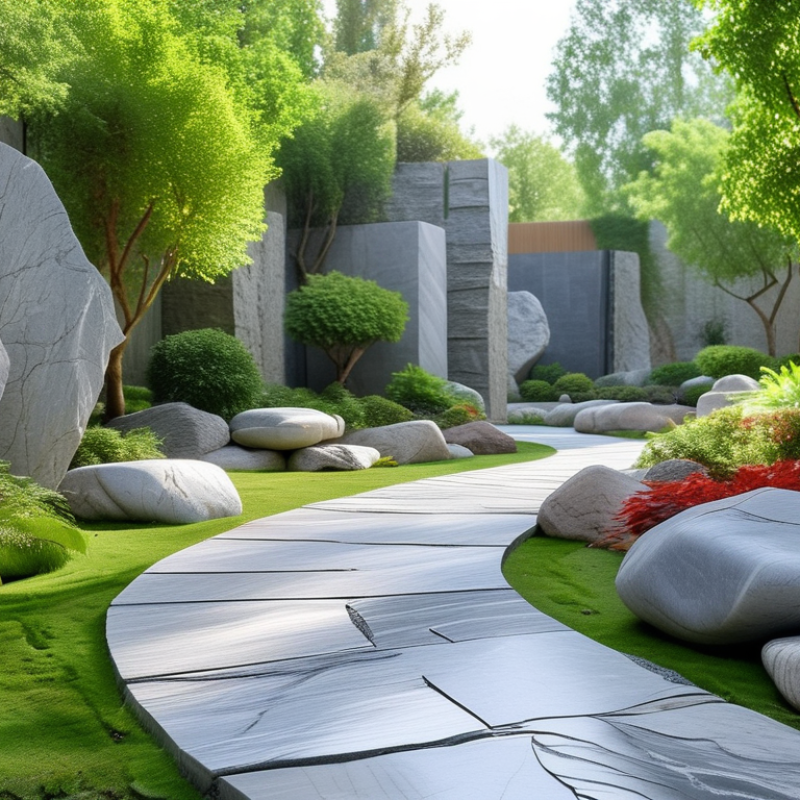
The decorative stone market is really booming right now. According to industry insiders like Grand View Research, it's expected to hit around $45 billion by 2025. Crazy, right? This surge basically shows how more and more people are into using sustainable and good-looking materials in their construction and landscaping projects. Decorative stone isn’t just about adding some flair; it really boosts the vibe of both indoor and outdoor spaces, and it can even increase property value.
Companies like Stone Universe Inc. are highlighting just how versatile these stones can be. You’ll see them popping up everywhere—from cozy garden pathways to eye-catching feature walls. That said, it’s not all smooth sailing. Finding top-notch decorative stone can sometimes be a challenge. Texture and color consistency aren’t always perfect, and that can throw a wrench in your design plans.
Plus, as folks around the world shop for these stones, they need to keep a few things in mind — like quality and whether the sourcing is ethical. The push for eco-friendly practices is becoming a big deal in this market, which is awesome but also adds a layer of complexity. Basically, understanding these little details can make a huge difference when you’re trying to pick the right stone for your project.
Overview of Decorative Stones in Global Markets
Decorative stones are increasingly popular in global markets. Their diverse applications span construction, landscaping, and interior design. According to a recent industry report, the global decorative stones market reached a valuation of approximately $55 billion in 2022. This trend reflects a growing demand for natural materials in various sectors, signaling a shift towards sustainability.
Natural stones, such as granite, marble, and quartzite, are preferred options due to their aesthetic appeal and durability. Buyers should consider local sourcing to reduce carbon footprints. However, the quality varies by region. Some stones may entail higher costs due to extraction and transportation. The nuances of stone characteristics can influence long-term satisfaction with the purchase.
Tip: When choosing decorative stones, prioritize authenticity. Verify the origin to ensure ethical sourcing. Research suppliers to understand their practices and commitments to quality standards.
It's essential to remain aware of potential challenges. For example, some stones may require more maintenance than anticipated. Buyers may also face issues related to availability and import regulations. Exploring multiple vendors can provide insights into pricing and material variety.
Types of Decorative Stones and Their Distinctive Features
When exploring decorative stones, several types stand out due to their unique features.
Granite, for instance, is known for its durability and wide color range. It is often used for countertops and
Decorative Wall Stone.
According to a recent industry report, the global demand for granite increased by 6% in 2022, reflecting its popularity among home builders and designers.
Another appealing option is marble. Its luxurious appearance and unique veining patterns make it a favorite for high-end designs.
The Natural Stone Institute reported a 7% rise in marble imports last year. This increase illustrates its timeless appeal within the decorative stone market.
However, marble can be prone to stains and scratches, necessitating careful maintenance.
Limestone is also gaining traction due to its versatility and earthy tones.
It is less dense than granite and marble, offering an affordable alternative.
The World Stones Association found that limestone's market share has increased due to its use in both interiors and exteriors.
Yet, its softer texture may lead to concerns over durability, especially in high-traffic areas.
Factors to Consider When Choosing Decorative Stones
When selecting decorative stones, buyers should consider various factors. The type and texture of the stone significantly influence the aesthetic appeal. For instance, Decorative Sandstone offers a unique look with its warm tones and natural variations. This type can enhance both outdoor and indoor spaces. According to industry studies, the demand for Decorative Sandstone has seen a rise of about 15% over the past year, driven by its versatility.
Sustainability is another critical consideration. Many buyers are now focused on sourcing stones that have a lower environmental impact. Reports indicate that roughly 60% of consumers want eco-friendly options. Choosing stones from responsible suppliers can significantly reduce the carbon footprint. Furthermore, understanding the origin of the stones adds to their story and appeal.
Texture and color are essential too. The right choice can transform an ordinary space into something special. Decorative Sandstone, for example, can be used in creative ways, but it may require maintenance. Some stones are more porous and susceptible to staining or weathering. This factor necessitates careful selection based on the intended use and location. Buyers should balance beauty with practicality to ensure long-lasting satisfaction.
Popular Decorative Stones Across Different Cultures
Decorative stones have captivated cultures around the world. Each region boasts its own unique favorites, deeply intertwined with local traditions. For instance, ancient Egyptians cherished granite for their monuments. Its durability symbolizes eternity. In contrast, the Japanese have a deep-rooted appreciation for river stones, found in their serene gardens. These stones evoke tranquility and harmony, integral to Zen philosophy.
In Mediterranean regions, marble shines as a symbol of elegance. It has been used in architecture for centuries. Its natural veining offers a unique beauty. Often called "the stone of the ancients," it reflects cultural heritage. Meanwhile, in India, colorful sandstone is favored for intricate carvings. It's often used in temples, showcasing both artistic skill and spiritual significance.
However, despite their beauty, sourcing stones can pose challenges. Overharvesting has raised concerns about sustainability. Cultures should reflect on their choices, balancing aesthetics with environmental impacts. The allure of decorative stones is undeniable, yet it's essential to approach their use responsibly. Each stone tells a story, reflecting human creativity and the natural world.
Best Decorative Stone Options for Global Buyers? - Popular Decorative Stones Across Different Cultures
| Stone Type |
Origin |
Common Uses |
Cultural Significance |
Color Variations |
| Marble |
Italy |
Sculptures, Flooring, Countertops |
Symbol of luxury and elegance |
White, Black, Green, Red |
| Granite |
Brazil |
Countertops, Monuments, Flooring |
Strength and durability |
Gray, Pink, Black, Beige |
| Soapstone |
India |
Sinks, Stoves, Countertops |
Warmth and artistic appeal |
Gray, Green, Brown |
| Limestone |
Egypt |
Building Material, Sculptures |
Historic and functional |
Beige, Light Gray, Brown |
| Travertine |
Italy |
Paving, Wall Cladding, Flooring |
Natural beauty and history |
Cream, White, Rust, Brown |
Top Suppliers and Manufacturers of Decorative Stones
When exploring decorative stone options, knowing the top suppliers and manufacturers can make a significant difference. Many companies specialize in providing high-quality decorative stones for various applications. These suppliers often source materials from diverse regions, ensuring a wide selection of colors, patterns, and textures. Many of them emphasize sustainable practices, which is important for environmentally-conscious buyers.
Tips: Always check for certifications when selecting a supplier. This ensures you receive materials that meet industry standards. Look for companies with a good reputation in the market. Consider their experience and projects they have completed.
Additionally, be mindful when choosing your decorative stones. The shipping process can vary, and sometimes materials may arrive in different conditions than expected. Inspect samples closely before making bulk orders. You can blend Decorative Wall Tiles with natural stones for a stunning visual effect. This combination can elevate any space, but adequate research into your suppliers is crucial for quality assurance.
Sustainable Practices in the Decorative Stone Industry
The decorative stone industry is evolving, with sustainability becoming a key focus. Many companies are now adopting eco-friendly practices. This shift responds to global concerns about resource depletion and environmental harm. For instance, certain quarries prioritize minimizing waste and rehabilitating mined sites.
Sourcing stones locally can significantly reduce transportation emissions. Using recycled materials in decorative applications also promotes sustainability. However, challenges exist. Not all regions have access to sustainable sources. There are also questions about the durability and performance of recycled options. Buyers must weigh aesthetic preferences against environmental impacts.
Consumer awareness plays a crucial role in this landscape. Educated buyers can drive demand for more responsible practices. They can also influence manufacturers to adopt better standards. Despite challenges, progress is underway. The decorative stone industry is making strides while seeking a balance between beauty and ecological responsibility.
Best Decorative Stone Options for Global Buyers
Trends in Decorative Stone Design for Modern Consumers
The demand for decorative stones continues to rise among modern consumers. A recent industry report highlights that the global decorative stone market is expected to grow at a CAGR of 8.3% from 2022 to 2030. This growth reflects a shift in consumer preferences towards aesthetics and durability in home design.
Trends show that Interior Decorative Wall Panels are becoming increasingly popular. They offer versatility and can enhance various design styles, from minimalist to rustic. The use of natural stones in wall treatments provides texture and warmth, creating inviting spaces. However, consumers often overlook the maintenance aspects. While these materials are durable, regular upkeep is necessary to ensure their longevity.
Additionally, sustainability is a growing concern. More buyers seek eco-friendly options in decorative stones. Reports indicate that approximately 40% of consumers prefer sustainable materials. However, not all decorative stones meet these criteria. This inconsistency raises questions about authenticity and sourcing practices. Buyers must conduct thorough research to align their choices with their values and expectations.
Exploring the Benefits of Khaki Pitted Travertine Flexible Stone for Sustainable Rural Exterior Wall Design: Industry Insights and Trends
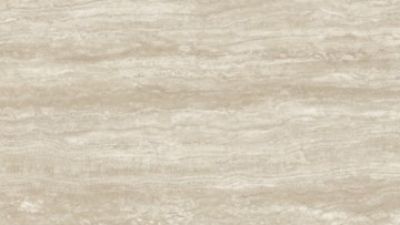
Khaki pitted travertine is rapidly emerging as a preferred choice for sustainable rural exterior wall design, primarily due to its aesthetic appeal and functional properties. This warm khaki coarse grain flexible stone captures the essence of rustic American and pastoral countryside designs, showcasing its unique scattered irregular stone pits and layered horizontal veins. According to industry reports, natural textures in construction materials are gaining popularity, with over 65% of designers citing a preference for organic appearances in their projects. The warm earth tones of khaki travertine evoke a sense of harmony with nature, making it ideal for rural settings.
In addition to its visual appeal, khaki pitted travertine boasts impressive technical attributes. The enhanced high-tenacity flexible formula enables it to adapt seamlessly to large radian curved applications, ensuring a perfect fit for contemporary architectural styles. Furthermore, its exceptional freeze-thaw and salt-spray resistance make it particularly suitable for northern climates, where these conditions can severely affect building materials. Recent studies indicate that up to 40% of rural construction projects face durability issues due to environmental factors, highlighting the importance of selecting robust materials like this travertine. As a result, it not only meets aesthetic criteria but also fulfills the necessary structural requirements for enduring beauty in rural landscape engineering.
FAQS
: Granite is durable and available in various colors. It's popular for countertops and walls.
Marble's luxurious appearance and unique veining patterns make it appealing. Maintenance is necessary due to stains.
Limestone has earthy tones and versatility. It's more affordable but may not be as durable in high traffic areas.
Texture and type significantly affect aesthetics. Sustainability and sourcing from responsible suppliers are also important.
Decorative sandstone's popularity has risen by about 15%. Its warm tones and versatility make it appealing.
Different regions value specific stones based on tradition. For example, granite represents eternity, and marble signifies elegance.
Overharvesting raises sustainability issues. Cultures need to balance aesthetics and environmental impacts in stone usage.
Some stones, like marble, require careful upkeep. Others may be prone to staining due to porousness.
Texture influences the final look of a space. Proper selection ensures beauty and practicality in design choices.
Balancing beauty with practical factors like durability is crucial. Understanding the use location helps in choosing wisely.
Conclusion
The article "Best Decorative Stone Options for Global Buyers" provides a comprehensive look at decorative stones within global markets. It begins with an overview of the various types of decorative stones available, highlighting their unique features and aesthetic appeal. Key factors to consider when selecting decorative stones include durability, color, and texture, which can significantly impact the overall design and functionality.
Additionally, the article explores the popularity of decorative stones across different cultures, illustrating their diverse applications in architecture and landscaping. Emphasis is placed on sustainable practices within the decorative stone industry, as consumers increasingly seek environmentally friendly options. Finally, current design trends are discussed, reflecting modern consumers' preferences and aspirations. This synthesis offers valuable insights for global buyers looking to make informed choices in decorative stone selections.
 +86 18942445383

 Contact Email