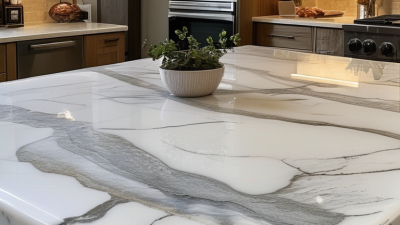
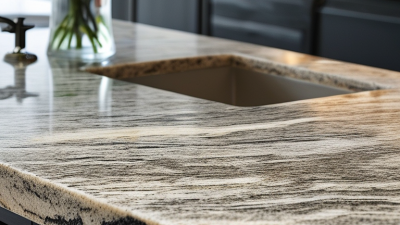
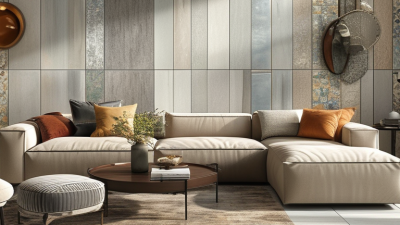
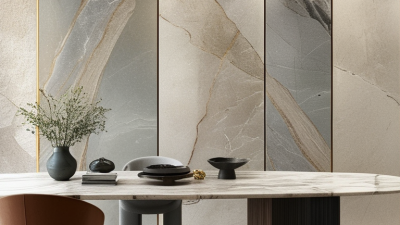
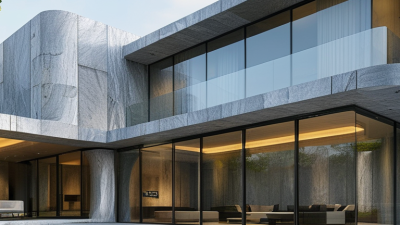
You know, Faux Stone has really changed the game when it comes to home design. It's a great way to get that stylish, natural stone look without breaking the bank. Whether you're working on a cozy home project or something bigger like a commercial space, more and more people around the world are loving how versatile and durable this stuff is.
It kind of looks like real stone, but it's actually lightweight and easier to handle—pretty handy, right? Brands like FauxStoneMaster and StoneCraft are really leading the charge with this trend. Their products are designed to be simple to install and maintain, which makes them super appealing for all kinds of projects.
Now, here’s the thing—while Faux Stone can look incredible and really make a statement, you’ve got to be careful. The quality can vary pretty a lot depending on who makes it. So, it's definitely a good idea to do a bit of homework—read reviews, check out what experts say—just to make sure you're getting something that'll last. Faux Stone definitely opens up some exciting possibilities, but a little research goes a long way to making sure you get it right.
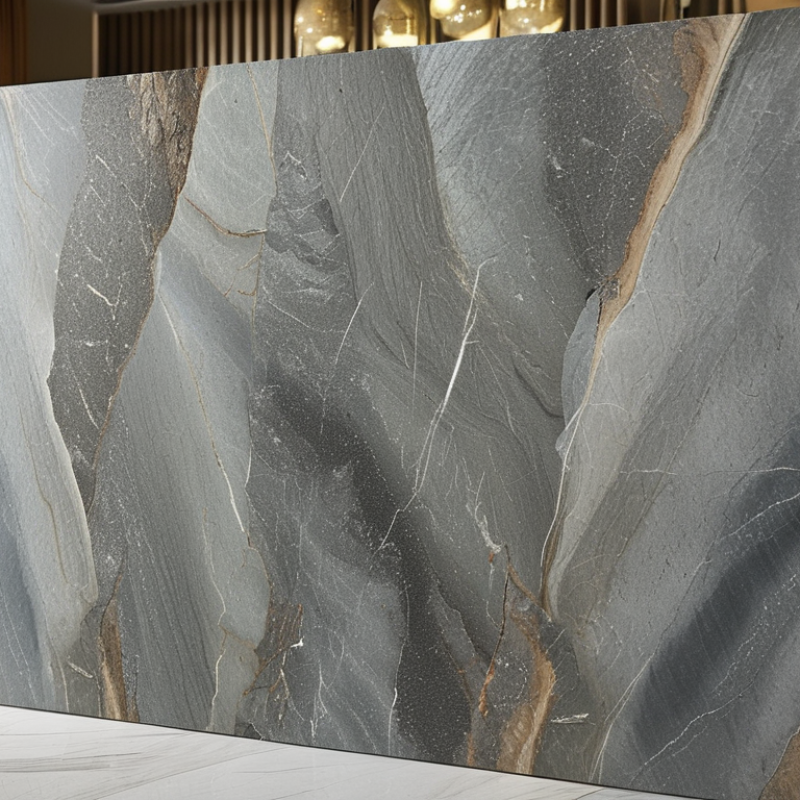
Understanding Faux Stone: Definition and Benefits for Global Buyers
Faux stone materials have gained popularity among global buyers. Understanding what faux stone is can help in making informed choices. Faux stone refers to synthetic materials designed to replicate the look of natural stone while offering practical advantages.
One significant benefit of faux stone is its lightweight nature. This feature makes installation easier and less costly. Unlike heavy natural stone, faux options can reduce the load on structures. However, not all faux stones are created equal. Some may fade over time or struggle under extreme weather conditions. Researching quality is fundamental.
Tips for selecting faux stone include checking for UV resistance and ease of maintenance. It's wise to request samples before purchasing. This allows you to see how the product fits your design vision. Additionally, consider the longevity of the material. Cheap alternatives might seem appealing, but they often require frequent replacements.
When choosing faux stone, reflect on your specific needs. Balancing aesthetics with function can be challenging. Don't rush your decision. Take time to explore various options and suppliers to find what truly meets your expectations.
Popular Faux Stone Materials: A Comparative Overview
When considering faux stone options, several materials stand out for their versatility and aesthetic appeal. One popular choice is cast stone. It mimics natural stone closely but is often lighter and easier to work with. This material can be molded into various shapes, making it ideal for intricate designs. However, some users may find it lacks the texture of real stone.
Another option is faux veneer. This material provides the visual impact of stone without the weight. It’s typically made from a composite material and can be applied to a wide variety of surfaces. Installation is relatively straightforward, but some faux veneers may not hold up as well against harsh weather.
Finally, polyurestone offers a high level of durability. It is lightweight and resistant to chipping, making it a practical choice for both indoor and outdoor use. However, its synthetic nature may not appeal to those seeking a natural aesthetic. Buyers must weigh these pros and cons carefully to find the best fit for their project.
Key Considerations When Choosing Faux Stone Products
When selecting faux stone products, quality is paramount. Different materials can mimic real stone, but their durability varies. Always check for UV resistance, especially in outdoor applications. Some Faux Stone Panels can fade or crack under extreme conditions. Buyers should prioritize long-lasting and weather-resistant options.
Tips: Look for samples before purchasing. This step allows you to assess texture and color in your intended environment. Additionally, consider installation requirements. Some panels might need a professional, while others are DIY-friendly.
Another vital consideration is maintenance. Faux stone products often require less upkeep than natural stone. However, different materials clean differently. Research care guidelines for specific products. Some may need special cleaners to avoid damage. Stay informed about these details to ensure your faux stone panels retain their appeal over time.
Installation Techniques for Faux Stone: A Step-by-Step Guide
When considering faux stone installations, understanding the right techniques is crucial. Faux stone, or Stone Veneer Stone, offers a cost-effective solution for enhancing aesthetic appeal. According to industry reports, faux stone products have seen a rise in demand, with a projected growth rate of 8% annually. This reflects a shift towards sustainable and visually appealing materials in construction.
A successful installation starts with proper surface preparation. Ensure the wall is clean, free of debris, and dry. The next step involves applying a layer of adhesive or mortar. Use a notched trowel for an even spread. Placement of each faux stone should follow a staggered pattern, adding visual interest. It's also important to leave expansion joints as recommended by manufacturers.
Tips: Always check for alignment as you go. Use spacers for uniform gaps. Regularly step back to evaluate your work—this can help catch misalignment early. If you notice uneven edges, take time to trim them before proceeding. Faux stone requires skill, and every mistake offers a chance to learn. Embrace this process, and strive to improve on each project.
Maintenance Tips for Faux Stone to Ensure Longevity
Faux stone materials have gained popularity for their aesthetic appeal and lower maintenance needs. However, ensuring their longevity requires attention. According to industry reports, faux stone can last up to 25 years with proper care. To maximize this lifespan, regular inspections are vital. Look for cracks, discoloration, or wear. Addressing these issues promptly can prevent further damage.
Cleaning techniques also play a crucial role. Use mild soap and water for regular cleanups. Avoid harsh chemicals, as they can damage the surface. For tougher stains, a soft brush is effective without being abrasive. Remember, harsh scrubbing can lead to scratches, making repairs more challenging.
When employing faux stone like Dry Stone Wall Stone, consider weather factors. In regions with extreme temperatures, fluctuations can cause materials to expand and contract. To combat this, applying a sealer can offer additional protection. Sealing not only enhances durability but also adds a layer of moisture resistance. Keeping up with maintenance reflects a commitment to preserving the beauty of faux stone, supporting both its function and appearance.
Global Market Trends in Faux Stone Products and Pricing
The faux stone market has seen significant growth recently. According to a report by Grand View Research, the global faux stone market is expected to reach over $70 billion by 2026. This growth is driven by the increasing demand for sustainable and cost-effective building materials. Faux stone products offer durability and aesthetic appeal without the hefty price tag of natural stone.
Pricing strategies vary widely across regions. In North America, a key market, prices for faux stone can range from $3 to $10 per square foot, depending on quality and design. European markets are also robust, with rising interest in Thin Stone options that provide a sleek look with minimal weight. Trade reports suggest a trend toward lightweight materials due to ease of installation. However, not all faux stones are created equal; some lack the realistic appearance that consumers desire.
Buyers should consider both appearance and cost when selecting faux stone. Quality can vary significantly, influencing long-term satisfaction. A thorough inspection of materials and manufacturers is crucial. Balancing aesthetics with performance might be challenging. Engaging with industry experts can provide insights into the best options available.
Case Studies: Successful Faux Stone Applications Around the World
Faux stone has emerged as a popular choice for various architectural and design projects around the world. In Europe, a residential renovation in Italy showcased its versatility. Designers replaced traditional stone with faux alternatives, achieving an elegant finish without the hefty price tag. The result? A stunning villa that harmonizes with its picturesque surroundings, proving that aesthetics can meet functionality.
Meanwhile, in Asia, a commercial space transformed its facade using faux stone panels. The choice reduced the overall weight of the structure while maintaining an authentic appearance. Local feedback highlighted the immediate appeal it brought to the area, attracting more visitors. Yet, some critics noted that the longevity of such materials remains a point of debate. Will these surfaces endure the test of time compared to genuine stone? That question lingers in the minds of many professionals in the field.
Meanwhile, a project in North America faced challenges when selecting the right faux stone. The design team had to balance cost and quality. Some options looked convincing, while others appeared artificial. They learned that not all faux stones are equal in durability or appearance. This journey reminds us that careful consideration is essential in finding the perfect match for any project.
Enhancing Your Space with Dark Grey Travertine Mosaic Flexible Stone Wall Panels: A Stylish and Durable Choice
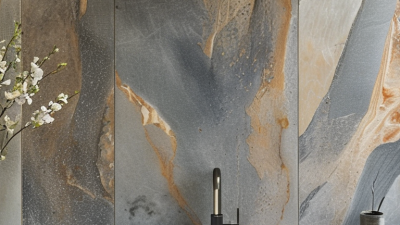
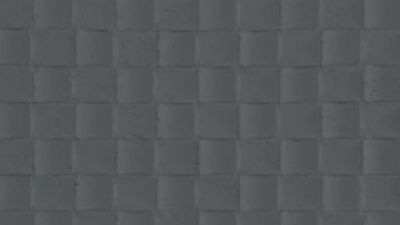
Enhancing your space with dark grey travertine mosaic flexible stone wall panels offers both style and durability for modern interiors. This exquisite natural veneer is crafted from high-purity travertine ore, featuring a standard mosaic structure that highlights its primitive porous matte texture. Its restrained, low-saturation deep grey tone not only adds a touch of elegance but also complements various design aesthetics, from minimalist studios to luxurious living rooms.
One of the standout features of this mosaic panel is its lightweight and bendable composition, made from eco-friendly inorganic materials. With an impressive A2 fire resistance grade, it ensures safety alongside beauty. This product boasts remarkable indoor performance, resisting stains, mold, and light damage, making it an ideal choice for high-traffic areas such as commercial office receptions or home interiors undergoing renovation. The easy cutting and pasting process allows for quick installation, providing a seamless finish regardless of the application. Whether refreshing a space or creating a striking backdrop, these panels are a premium choice for anyone looking to elevate their interior design.
FAQS
: Faux stone materials mimic real stone. They are popular for their appearance and easy maintenance.
With proper care, faux stone can last up to 25 years. Regular maintenance is key for longevity.
Look for cracks, discoloration, or wear during inspections. Address issues quickly to avoid further damage.
Use mild soap and water for regular cleaning. Avoid harsh chemicals that can damage the surface.
For tough stains, use a soft brush. Avoid abrasive scrubbing to prevent scratches on the surface.
Extreme temperatures can cause faux stone to expand and contract. Applying a sealer can provide protection.
Faux stone is used in residential and commercial projects. It offers an elegant finish without high costs.
Some faux stones look convincing, while others do not. Quality varies, so careful selection is essential.
Some professionals question faux stone's longevity. Its performance compared to real stone can be debated.
Balancing cost and quality is important. Not all faux stones are equal, which complicates decision-making.
Conclusion
This article delves into the world of Faux Stone, highlighting its definition and the benefits it offers to global buyers. It provides a comparative overview of popular faux stone materials, allowing readers to understand their unique characteristics and applications. Key considerations for selecting faux stone products are outlined, including aesthetics, durability, and cost-effectiveness.
Furthermore, the article features a step-by-step guide on installation techniques, ensuring that users can achieve a professional finish. Maintenance tips are also shared to help preserve the longevity of faux stone installations. Finally, it discusses current global market trends and pricing for faux stone, enriched with case studies that showcase successful applications worldwide. Through this comprehensive exploration, readers gain valuable insights into making informed decisions regarding faux stone products.
 +86 18942445383

 Contact Email