When you're diving into materials engineering, picking the right product isn’t just a small detail — it’s kinda everything. Flexible sheets, for example, have become pretty much a staple in countless industries these days. Did you know that the global market for flexible packaging is expected to hit around $500 billion by 2026? Crazy, right? That just shows how much folks are craving versatile materials like these sheets.
Big names like DuPont and 3M are really leading the charge here, coming up with innovative solutions to meet all kinds of needs. Whether it’s in manufacturing, healthcare, or even food packaging, flexible sheets are playing a key role. But hey, not all flexible sheets are the same — you gotta weigh factors like how durable they are, how thick they need to be, and whether they fit your budget.
Choosing the right one can be a bit tricky, no joke. You really gotta consider what you’re specifically using it for and what your main priorities are. Trying to go for a one-size-fits-all kinda thing probably won’t cut it and might end up frustrating you. So, taking a moment to think about your own needs first will definitely help steer you in the right direction.
Types of Flexible Sheets Available in 2026
In 2026, flexible sheets come in various forms, each catering to specific needs.
Thin Sheets have gained popularity due to their lightweight and adaptability.
These sheets are ideal for industries requiring precision and durability. According to recent market analysis, the demand for thin sheets is projected to grow by 12% annually, driven by advancements in materials science.
There are several types of flexible sheets available today.
Polyethylene and PVC options are prominent for their resistance to moisture and chemicals.
These materials excel in applications from packaging to construction. However, not all flexible sheets meet the same standards.
Quality can vary significantly, leading to inconsistencies in performance.
Users must conduct thorough assessments before making a decision.
Another notable category is silicone sheets, prized for their heat resistance and flexibility.
Widely utilized in the food industry, they provide safety and reliability.
Yet, manufacturers often face challenges in ensuring uniform thickness and durability.
This variation impacts their overall effectiveness in high-demand settings.
Exploring these options allows for more informed choices tailored to specific requirements.
Key Factors to Consider When Choosing Flexible Sheets
When selecting flexible sheets, several key factors should guide your decision. Material quality is critical. Different materials offer various levels of durability and flexibility. For instance, consider whether you need waterproof sheets or those that can withstand high temperatures. Each option has unique advantages and drawbacks.
Tip: Research the material specifications to find what suits your environment. Not all materials hold up under pressure. Sometimes, what seems ideal in the catalog can fall short in real life.
Thickness is another important aspect. Thicker sheets generally provide more durability, but they may be less flexible. Consider your project's specific requirements. A balance between thickness and flexibility can be tricky to achieve.
Tip: Evaluate how often you'll be using the sheets. Over time, thin sheets may wear out faster, leading to more frequent replacements. Reflect on the long-term costs rather than immediate savings.
Popular Materials Used in Flexible Sheets
When considering flexible sheets, various materials stand out for their distinct properties. Polyethylene is one common choice. It is lightweight and moisture-resistant. This makes it suitable for outdoor applications. Another popular option is PVC. It provides durability and flexibility, making it ideal for a variety of uses. However, it's crucial to remember that not all PVC sheets are created equal. Quality can vary widely.
Silicone sheets are gaining popularity, particularly in food-related industries. They are flexible and non-toxic, which ensures they are safe for direct contact with food. On the downside, silicone can be more costly than other materials. Evaluating the cost versus benefits is essential.
When it comes to Wall Sheets, materials like fiberglass also deserve mention. Fiberglass sheets are not only strong but also resistant to moisture and chemicals. They offer an excellent solution for kitchens and bathrooms. However, installation can be complex and may require professional help. Each type of flexible sheet has its advantages and drawbacks. Understanding these can help you make a well-informed choice for your specific needs.
Comparison of Durability and Comfort in Flexible Sheets
When selecting flexible sheets, durability and comfort are key factors. High-quality materials can enhance both attributes. Cotton and bamboo sheets often provide a breathable feel, which is vital for comfort. In contrast, synthetic options may offer improved durability but lack the same softness. It's essential to find a balance that suits your lifestyle.
Tips: Look for thread count. A higher thread count generally means softer sheets. However, don’t get caught up in just numbers. Sometimes, a lower count with better materials can be more comfortable. Experiment with different fabrics to see what feels best against your skin.
Additionally, consider the washing requirements. Some fabrics shrink or lose comfort after a few washes. Test how each material holds up after usage. This will give you insight into long-term durability. Comfort is not just about the initial feel; it also involves how sheets perform over time.
Eco-Friendly Options for Flexible Sheet Buyers
As consumers become more environmentally conscious, the demand for eco-friendly flexible sheet options has surged. An industry report indicates that the eco-friendly materials market is expected to reach $150 billion by 2027. This shift is driven by the desire for sustainable alternatives to traditional materials. A Slate Sheet made from recycled materials provides an excellent option for those seeking to minimize their carbon footprint.
Moreover, the production of eco-friendly sheets often requires less energy and generates fewer emissions. Studies show that using renewable materials can reduce energy consumption by up to 30%. Despite these benefits, the availability of sustainable options can be limited. Many buyers struggle to find products that meet their ecological criteria without sacrificing quality. It's essential to assess not only the materials but also the manufacturing processes when choosing a flexible sheet.
Finding the right balance between sustainability and performance is crucial. While some green options may not offer the same strength as their traditional counterparts, blending innovation with responsible sourcing is key. In the case of Slate Sheets, they often present a unique aesthetic advantage as well, making them appealing beyond their eco-friendly status. Embracing these choices can transform industries, but consumers must stay informed to make the best decisions for their needs.
Innovative Features in 2026 Flexible Sheet Designs
In 2026, flexible sheet options have evolved significantly, showcasing innovative features that cater to diverse needs. The adaptability of various materials enhances usability in countless applications. A prime example is the introduction of eco-friendly Stone Sheet materials. These sheets not only boast durability but also offer a unique aesthetic that blends seamlessly into modern designs.
New technologies have driven the development of lightweight, waterproof sheets. The flexibility of these materials allows them to conform easily to different shapes and surfaces. Advanced production techniques ensure consistent quality, yet one must recognize that not all sheets perform equally under extreme conditions. Testing these sheets in varied environments reveals potential shortcomings. While some may excel in moisture resistance, they might lack in thermal insulation.
As we navigate through the myriad options available, it becomes crucial to evaluate specific needs. Innovative features, such as customizable finishes and integrated UV protection, enhance functionality. However, this complexity may lead to confusion. Users should weigh the pros and cons carefully before making a decision. Ultimately, the right choice will depend on personal requirements and environmental considerations.
Top Brands to Consider for Quality Flexible Sheets
When searching for flexible sheets, several key brands stand out due to their consistent quality. These brands focus on various materials, ensuring diverse options for different needs. Choosing the right brand impacts the durability and functionality of your sheets. These companies often test their products rigorously, providing peace of mind to users.
It’s essential to consider the specific requirements before making a choice. Some sheets work best for certain applications, like art projects or industrial uses. Think about the environment where the sheets will be used. Not all sheets hold up well under stress. It’s okay to reconsider your options if you find a product doesn’t meet your initial expectations.
The price point can also vary significantly among brands. While some offer premium options, others focus on affordability. Balancing cost with quality is crucial. Customers sometimes find themselves wishing they had researched more before committing. Don't hesitate to explore user reviews and feedback. This information often reveals insights that official descriptions do not cover.
Embracing Luxury in Design: The Impact of Medium Grey Golden Streak Marble Flexible Wall Panels on Interior Aesthetics and Market Trends
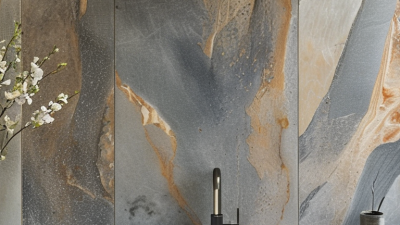
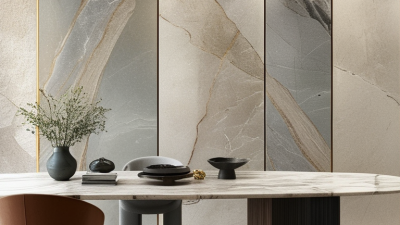
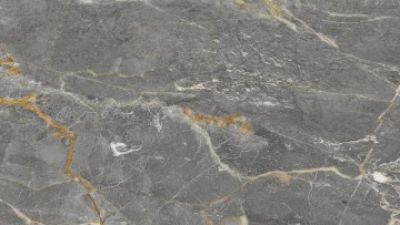
The design landscape is experiencing a remarkable shift as interior aesthetics increasingly embrace luxury through innovative materials. One such product making waves in the industry is the medium grey golden streak marble flexible wall panel. This unique veneer not only features the opulence of traditional marble with its smooth continuous golden mineral streaks but also offers the lightweight advantage of flexibility. According to recent data from the International Interior Design Association (IIDA), the use of luxurious materials like marble in residential and commercial spaces has seen a steady increase in consumer demand, with a reported 35% growth in projects integrating high-end finishes over the past three years.
The ecological aspect of these flexible panels further elevates their appeal. Constructed from eco-friendly materials and boasting an A2 fireproof certification, they challenge the notion that luxury must compromise safety or sustainability. The panels excel in performance, offering stable waterproofing, moisture-proofing, anti-UV capabilities, and weather resistance. This makes them ideal for various applications, including building exterior wall corners, entrance corridor surfaces, curved facades, and commercial renovations. A market research report by Grand View Research highlights that environmentally sustainable building materials are driving market trends, indicating an anticipated annual growth rate of 15% in the luxury segment by 2027.
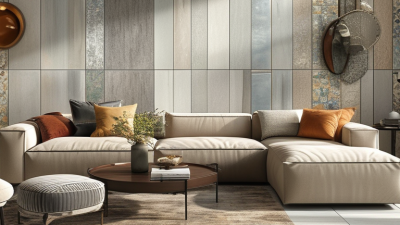
As interior design trends continue to evolve, integrating elements like the medium grey golden streak marble flexible wall panels not only enhances aesthetic value but also aligns with modern consumer preferences for luxury, safety, and sustainability. This serves as a testament to how innovative materials are shaping interiors, making them not just visually appealing but also functionally superior.
FAQS
: Material quality is critical to ensure durability and flexibility for your project needs.
Different materials offer varying durability. Some are waterproof, while others resist high temperatures.
Thicker sheets are more durable but can be less flexible. Finding a balance is essential.
If you'll use the sheets often, consider their longevity. Thin sheets may wear out quickly.
No, some sheets excel in specific uses. Assess your project environment carefully.
You might choose a product that doesn’t meet expectations. Reviews can reveal hidden insights.
Yes, while some brands are premium, others focus on affordability. Balance cost with quality.
Many wish they had researched more before buying. Take time to explore all options.
Conclusion
The article explores the best options for flexible sheets available in 2026, highlighting the various types and key factors to consider when making a purchase. Readers will learn about popular materials used in flexible sheets, comparing their durability and comfort levels. Eco-friendly options are also discussed, catering to environmentally conscious buyers who seek sustainable choices. Additionally, the article delves into innovative features that have emerged in the latest flexible sheet designs, offering insights into the evolving market. Ultimately, it serves as a comprehensive guide for consumers in search of quality flexible sheets tailored to their specific needs.
 +86 18942445383

 Contact Email