Leave Your Message
0%

Picking the best Granite Veneer supplier in China isn’t just about flipping through photos and comparing prices, you know? There’s a lot more to it. It’s really important to look into the quality of the stone, the experience of the manufacturer, their export history, and how straightforward their communication is. A trustworthy supplier should be able to clearly explain things like where they source the quarries from, the thickness of their panels, surface treatment details, and installation guidelines. Those little details actually matter, especially when you’re working on something like hotel walls, commercial entrances, or outdoor facades that can get exposed to the elements.

This guide aims to help you evaluate Chinese Granite Veneer suppliers based on real, tangible evidence. We look at factory capabilities, how consistent their samples are, their quality control processes, packaging practices, and what kind of after-sales support they offer. A serious manufacturer will usually provide recent project references, detailed inspection records, and samples that match what they send out in the end. Take a good look at the stone itself—check out the color variations, edges, mesh backing, and if there are any cracks visible under natural light. Those small details can make a huge difference.

And experience shows in the questions a supplier asks too. Do they ask about your climate conditions, fixing systems, fire safety needs, and delivery timelines? Do they suggest the right type of granite for your project instead of just trying to push the cheapest option? Their responses can tell you a lot about their professionalism and knowledge. That said, be cautious—sometimes, supplier websites might look all shiny and convincing but lack real proof behind their claims. It’s always worth doing some independent inspections, third-party testing, or talking directly with the factory.

Keep in mind, the biggest companies aren’t necessarily always the best fit. Sometimes, smaller to medium-sized Chinese manufacturers might actually offer more personalized support and flexibility when it comes to customizing your order. Others might have fancy machinery but lack proper documentation or communication. This guide doesn’t promise a one-size-fits-all answer, but it does highlight the strengths and potential risks of different suppliers. The goal is to help architects, contractors, and importers find a partner they can trust—one that offers reliable quality, transparent pricing, and realistic delivery timelines.
Who Are the Best Granite Veneer Suppliers in China?

Granite Veneer: Definition, Uses, and Key Advantages

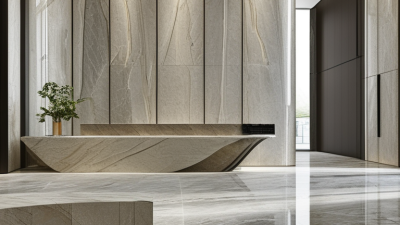
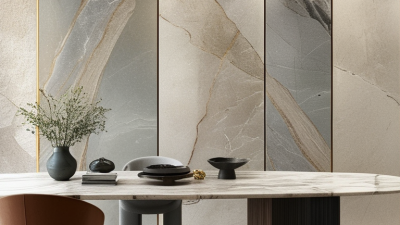
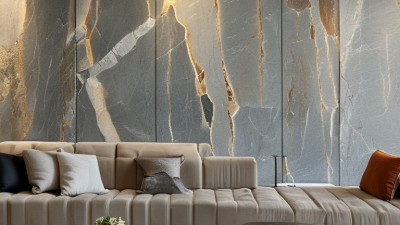
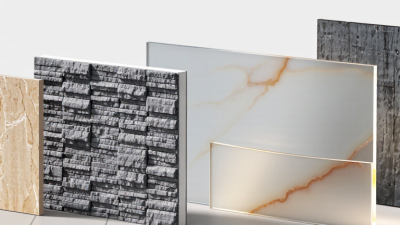
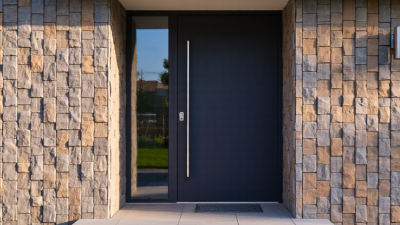
Granite Stone Veneer is a thin layer of natural granite used over walls, façades, fireplaces, and outdoor features. It offers the visual depth of solid stone without the same weight or installation demand. Common finishes include polished, flamed, honed, and natural split surfaces. Each finish changes slip resistance, color, and maintenance needs. In practical projects, veneer can create a strong entrance wall, a textured garden border, or a durable fireplace surround. Granite also resists scratching, weather exposure, and moderate heat when properly selected and installed.

Chinese suppliers often provide varied colors, custom sizes, and fabrication services. However, appearance alone is not enough. Experienced buyers should request quarry details, sample pieces, thickness tolerances, water absorption data, and packing photographs. Check the sample under natural light. Small color differences may become obvious across a large façade. Reliable suppliers should explain installation limits rather than promise universal performance. This matters because thin stone can crack when the substrate moves or drainage is poor. I have seen attractive samples fail when edge protection was ignored. That lesson deserves attention.

Tips: Compare at least three physical samples. Confirm the backing system and adhesive compatibility. Ask for recent quality inspection records. Measure actual thickness at several points, not just once. For exterior use, test the finish for staining and freeze-thaw suitability. Keep extra pieces for future repairs. Natural stone is never perfectly uniform. That is part of its character, but it can also complicate color matching.

How to Evaluate Granite Veneer Suppliers in China

Choosing the best granite veneer supplier in China requires more than comparing catalog photos and quoted prices. Start by checking the stone’s origin, processing capacity, and experience with export projects. A reliable supplier should provide recent test reports for water absorption, flexural strength, density, and freeze-thaw performance. Ask whether the results match the exact granite batch, not a similar product.

Request physical samples before approving a large order. Inspect the surface under natural light, because screens can hide shade differences and resin repairs. Check the back mesh, corner accuracy, thickness, and edge finishing. For a Granite Wall project, confirm panel dimensions and joint requirements with your installer. Small errors become expensive when hundreds of pieces meet on site.

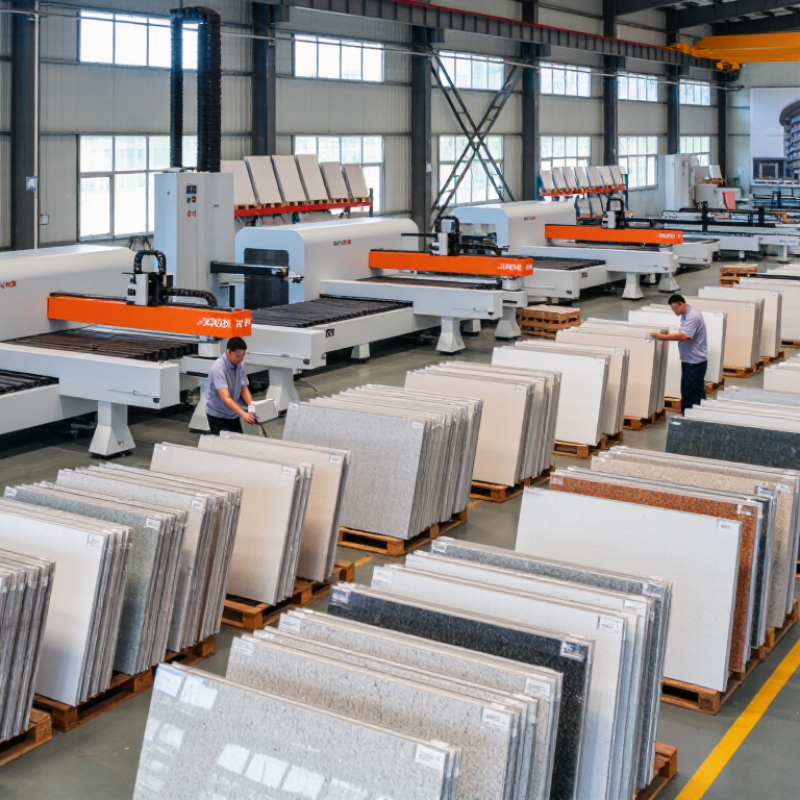
Visit the factory if possible, or arrange a live video inspection. Look for clean cutting areas, organized slabs, labeled crates, and consistent quality checks. Ask how workers record defects and replace damaged pieces. Packaging deserves attention too; strong foam, dry wooden crates, and clear labels reduce transit problems. I have seen attractive samples followed by uneven production. That risk is easy to underestimate. A supplier’s answers should be specific, documented, and consistent across sales and technical staff. Check independent project references, but verify dates and product details. No checklist is perfect. Leave room for another inspection before final payment, especially when color variation matters.

China’s Main Granite Veneer Manufacturing Regions

China’s granite veneer industry is concentrated near stone resources, processing clusters, and export transport routes. Fujian, especially the Shuitou area, is widely known for dense stone trading and advanced fabrication. Suppliers there often handle cutting, polishing, water-jet shaping, and project packaging in one supply chain.

Shandong’s Laizhou region is another important manufacturing center. Local factories commonly process pale granite, textured finishes, and custom exterior panels. Many workshops use bridge saws and CNC equipment for consistent dimensions. Buyers should check slab thickness, edge accuracy, surface porosity, and batch color before approving production. A Granite Sheet may look uniform indoors but show visible variation under direct sunlight.

Guangdong’s Yunfu area benefits from strong stone-processing experience and convenient access to southern ports. Its manufacturers often serve commercial interiors, façades, landscaping projects, and customized renovation orders. Experienced quality teams inspect resin repairs, corner protection, crate strength, and moisture levels before shipment. Ask for recent project samples, test records, and close-up photographs of finished edges. Small defects can become expensive on a large wall. Factory claims are not always enough. An independent inspection is wiser, although it may slow the schedule. Suppliers in these regions differ greatly in quarry access, finishing skill, and production discipline.

Who Are the Best Granite Veneer Suppliers in China?

China’s Main Granite Veneer Manufacturing Regions

Fujian is widely recognized as China’s strongest granite processing and export hub, supported by the Shuitou and Nan’an stone clusters. Shandong and Guangdong are also major manufacturing centers, while Hubei and Sichuan are important granite-producing and processing regions. The regional presence index is a comparative assessment based on documented quarry resources, stone-processing clusters, export infrastructure, and industry concentration; it is not company market share.

Quality Standards for Chinese Granite Veneer Products

Who Are the Best Granite Veneer Suppliers in China?

Reliable Chinese granite veneer suppliers show quality through evidence, not attractive photographs. They should provide quarry details, production records, and recent laboratory reports. These reports may follow relevant ASTM or EN testing methods. Key checks include water absorption, flexural strength, freeze-thaw resistance, and surface durability.

Ask for physical samples before approving a large order. Feel the edge thickness. Inspect the back for cracks, resin repairs, and uneven mesh. Measure several pieces with calipers, because small thickness differences can complicate installation. Color should remain reasonably consistent within each batch. Natural stone is never perfectly uniform. That is acceptable, but uncontrolled variation is not.

Packaging also reveals supplier experience. Panels need corner protection, dry separation, and strong wooden crates. Each crate should show dimensions, quantity, batch number, and installation direction. Traceability matters when replacement pieces are required months later. A dependable supplier explains tolerances clearly and answers technical questions without vague promises.

I have learned that a polished sample can hide production weaknesses. Requesting random pieces from different crates is wiser. Even then, inspection can miss problems. Independent pre-shipment testing adds confidence, especially for exterior projects exposed to rain, frost, and temperature changes. Supplier selection should consider documented performance, communication, and corrective action records, not price alone.

Comparing Supplier Capabilities, Prices, and Custom Services

Choosing a granite veneer supplier in China means comparing more than quoted price. Ask for slab thickness, face-finish tolerance, backing material, and breakage allowance in writing. A sample should show real edge details, not just a polished face. Check how the supplier packs corners and labels crates; small omissions can slow installation. Details matter.

Price comparisons need a like-for-like specification. Include stone grade, cut size, finish, packaging, and shipping terms, then request a trial order before committing to a large volume. Grand View Research estimated the global natural stone market at about US$34.8 billion in 2023, with growth expected through 2030. This broad market figure is not a granite-veneer price benchmark, but it shows why demand and product categories vary. Custom services also differ: some factories can match patterns across panels, while others may need extra lead time for nonstandard sizes. Ask for dated production photos and inspection records. I would still treat photos cautiously; they cannot reveal every hidden defect. A clear, signed specification is more useful than a confident sales promise.

Importing Granite Veneer from China: Process and Considerations

Who Are the Best Granite Veneer Suppliers in China?

Importing Granite Veneer from China: Process and Considerations

Choosing a reliable Chinese supplier starts with evidence, not attractive catalog photos. Request factory certificates, production videos, recent project references, and a clear business license. A serious supplier should explain stone origin, veneer thickness, backing material, and acceptable color variation. Ask for physical samples before discussing large quantities. Digital images often hide surface differences.

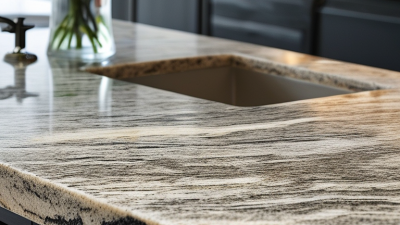
Check the Granite Texture under natural and artificial light. Examine corners, mesh bonding, edge finishing, and possible resin marks. A practical sample should survive handling, moisture exposure, and basic adhesion testing. Independent inspection is useful before shipment. Inspectors can compare production against approved samples, packing lists, and agreed tolerances. This step costs money, but replacement shipments cost more.

Confirm the quotation in writing. It should identify dimensions, quantity, packaging, payment terms, delivery conditions, and required export documents. Wooden crates need suitable protection for long sea transport. Moisture barriers and corner guards can prevent cracked panels. Calculate freight by volume, not only weight. Ask whether the quoted price includes loading and port charges. I have seen attractive offers become expensive after these details appeared.

Allow time for customs clearance and local building requirements. Some projects need fire, chemical, or slip-resistance documentation. Requirements differ by destination and application. Do not assume one test report fits every market. A small trial order can reveal production delays, shade variation, or communication problems. It may feel inefficient. It is often the safer lesson.

White Travertine Flexible Veneer for Wall Decoration: Design Ideas, Benefits, and Installation Tips

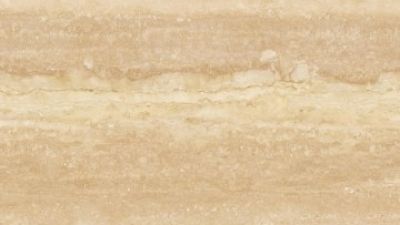
White travertine flexible veneer brings the warm, refined appearance of natural stone to modern architectural spaces while offering greater flexibility and convenience. Its soft white tones and authentic travertine-inspired texture work well with minimalist, Mediterranean, contemporary, and classic interiors. Use it as an accent wall in living rooms, bedrooms, hotels, or reception areas, or apply it to exterior façades, garden walls, and entryways for a clean, upscale finish.

Made from premium composite materials, this ultra-thin and lightweight veneer is easy to handle and suitable for both new construction and old building renovations. Its pliable structure allows it to follow curved walls, columns, cylindrical surfaces, and other challenging forms without the bulk of traditional stone cladding. It is also an eco-friendly building material with A2 fireproof certification, while its waterproof, anti-UV, and weather-resistant properties support long-lasting indoor and outdoor performance.

Before installation, ensure the surface is clean, dry, stable, and free from dust or loose coatings. Measure carefully, plan the panel layout, and cut the veneer with appropriate tools to achieve neat edges and balanced patterns. Apply a compatible adhesive evenly, press each panel firmly into place, and pay special attention to corners and joints. For exterior applications or areas exposed to moisture, use suitable sealing and installation materials to enhance durability and maintain the stone-like appearance.

FAQS

What is granite veneer?

Granite veneer is a thin natural stone layer for walls, façades, fireplaces, and outdoor features. It looks substantial, but weighs less than solid stone.

Where can granite veneer be used?

Use it on entrance walls, garden borders, fireplace surrounds, and selected exterior façades. The supporting surface must be stable and properly prepared.

Which granite finishes are available?

Common finishes include polished, flamed, honed, and natural split. Each finish changes texture, slip resistance, color, and cleaning needs.

How should buyers evaluate physical samples?

Compare at least three samples under natural and artificial light. Check corners, thickness, mesh bonding, edge finishing, and resin marks.

What supplier information should buyers request?

Request quarry details, physical samples, thickness tolerances, water absorption data, production videos, and recent inspection records. Catalog images are not enough.

How can buyers reduce shipping and damage risks?

Confirm crate protection, moisture barriers, corner guards, loading fees, and port charges in writing. Calculate freight by volume, not weight alone.

What installation problems can affect granite veneer?

Moving substrates and poor drainage can crack thin stone. Confirm backing systems, adhesive compatibility, edge protection, and local installation requirements.

How should exterior granite veneer be tested?

Check staining resistance, weather exposure, and freeze-thaw suitability. One test report may not cover every destination or application.

Why is color matching difficult with natural granite?

Natural stone varies between quarry blocks and production batches. Keep spare pieces for repairs, because exact matching may be impossible.

Is a small trial order worthwhile?

Yes, it can reveal delays, shade variation, packing weaknesses, and communication problems. It feels slower, but large orders can fail expensively.

Conclusion

Granite Veneer is a practical decorative and protective material made from thin layers of natural granite, commonly used for exterior walls, interior feature surfaces, fireplaces, columns, and commercial spaces. Its natural texture, durability, weather resistance, and relatively lightweight structure make it an attractive alternative to full-thickness stone. This guide explains how to evaluate Granite Veneer suppliers in China by examining product consistency, raw material sources, processing equipment, quality control, certifications, production capacity, and export experience.

It also introduces China’s major granite manufacturing regions and discusses key quality standards, including thickness accuracy, color consistency, surface finish, strength, packaging, and inspection procedures. Buyers can compare suppliers according to pricing, minimum order quantities, customization options, sample services, lead times, and after-sales communication. For importers, the article outlines the general purchasing process, covering product selection, quotation, sampling, contract terms, inspection, shipping, customs documentation, and risk management. Careful supplier verification and clear technical requirements can help international buyers achieve reliable quality and cost-effective results.
Mia

Mia

Mia is a seasoned marketing professional with over a decade of extensive experience in the field, specializing in innovative and sustainable construction solutions. With a strong grasp of her company's unique patented technology, she excels at showcasing the lightweight, durable, and......
Previous How to Choose the Best Soft Stone for Your Project