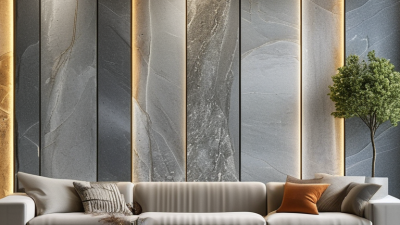
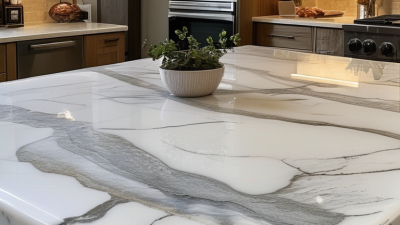
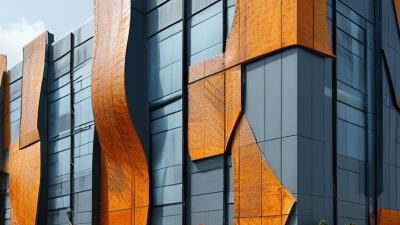
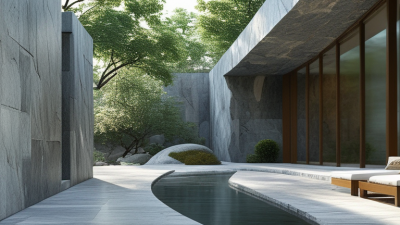
Looking ahead to 2026, the Wall Stone industry in China is really set for some impressive growth. More and more global buyers are on the hunt for top-quality materials for all sorts of projects. I was chatting with Alex Carter, who’s pretty much our go-to guy at StoneWorks Inc. when it comes to wall stones. He said, “The demand for high-quality wall stones is going to shape market trends,” which just goes to show how important it is to source good, reliable stone.
A lot of international buyers have their worries, mainly around reliability and sustainability. China’s got some really innovative products like the Dry Stone Wall Stone, which are not only tough but also look great. But here’s the thing — not all suppliers are created equal, right? Without doing your homework, you might end up with some pretty crappy products instead of the quality you’re after.
The market’s changing, so there’s definitely some challenges, but also plenty of opportunities. Buyers need to keep an eye on prices and make sure their suppliers are legit. The reputation and expertise of the supplier really matter here. If you're careful and do your due diligence, you should be able to find the perfect wall stone that fits your needs and budget. It’s all about navigating those little bumps in the road, but with a bit of patience, you'll find the right solution.
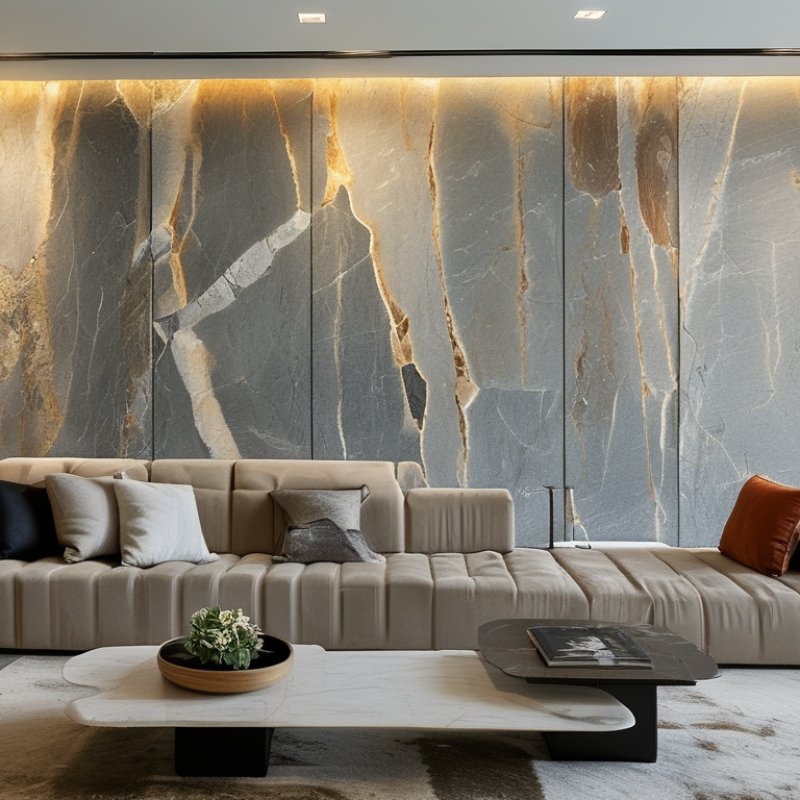
Overview of China’s Best Wall Stone Market in 2026
China's wall stone market is poised for significant changes in 2026. Recent reports indicate a projected growth rate of 5.2% annually. This growth is driven by increasing demand in both domestic and international markets. Major applications include construction, landscaping, and decorative projects. Customers are seeking durable and aesthetically pleasing options.
Recent data from industry analysts show that preferences are shifting towards sustainable sourcing. Buyers are more aware of environmental impacts. In 2025, 67% of buyers indicated a preference for eco-friendly materials. This suggests a rising trend towards natural stone options that ensure minimal environmental disruption.
However, challenges remain. Quality control and consistency are still areas needing improvement. Some producers struggle with meeting international standards. This hinders competitiveness in the global market. Buyers should ensure their sources can deliver high-quality stone reliably. Community engagement and investment in better practices can help address these issues. As the market evolves, buyers must stay informed about trends and challenges.
Key Producers of Wall Stone in China
In 2026, the demand for wall stone from China is projected to grow, driven by global construction trends. Key producers in China are leveraging advanced technology and sustainable practices to enhance their offerings. Reports indicate that the global wall stone market is expected to reach $4 billion by 2026, with China capturing a significant share.
Regions such as Xinjiang and Guangdong are crucial for wall stone production. These areas are known for their rich natural resources and skilled labor. However, challenges persist, including environmental concerns and rising production costs. For instance, a recent study highlighted that nearly 30% of production sites face regulatory scrutiny due to sustainability practices.
Professional insights reveal that while the quality of Chinese wall stone is commendable, issues like consistency remain. Buyers may find variations in texture and color. This inconsistency can be a concern for large-scale projects. As such, global buyers should consider these factors when sourcing wall stone. Emphasizing transparency and communication will be essential for successful transactions.
Quality Standards for Wall Stone in China
Quality standards for Wall Stone in China are evolving. As demand grows worldwide, ensuring high-quality products becomes crucial. Buyers should expect durability and aesthetic appeal. Many suppliers claim to meet international standards, but not all deliver on this promise. Testing is vital to ascertain stone quality and suitability for various projects.
The fabrication process plays a key role in achieving these standards. Adequate processing techniques can enhance the strength and longevity of wall stone. Natural variations in color and texture should not compromise the quality. Buyers must be vigilant and seek comprehensive testing results when considering their options.
However, discrepancies may exist. Some stones may look appealing yet lack durability. A keen eye can help identify potential issues before purchase. Reviews and feedback from other buyers can provide insights. Understanding local sourcing practices may also reveal hidden strengths or weaknesses in the supply chain. Investing time in research can significantly benefit buyers.
Trends Influencing Wall Stone Demand Globally
The wall stone market is evolving rapidly. In recent years, the demand for wall stone, particularly Dry Stone Wall constructions, has shown a notable increase. According to a report by Grand View Research, the global wall stone market is projected to reach $22 billion by 2026, growing at a CAGR of 5.2%. This growth is influenced by the rising trend of sustainable building practices.
Environmental concerns are driving consumers toward natural materials. Wall stones, especially those used in Dry Stone Wall applications, provide durability and aesthetic appeal. These products are often sourced locally, minimizing the carbon footprint. As urban areas expand, the need for attractive landscaping solutions also heightens. Many homeowners and developers prefer stone walls for their longevity and low maintenance.
Additionally, the surge in outdoor living spaces has reshaped the wall stone demand. Homeowners seek to enhance their backyards and gardens. They aim to create functional yet beautiful environments. However, challenges exist. The high costs of quality stone may deter some buyers. The industry must address these economic barriers while promoting the benefits of natural stone.
Sustainability Practices in Wall Stone Production
Sustainability in wall stone production is essential for future prosperity. As the demand for Thin Wall Stone grows, production methods must evolve. Many companies are exploring eco-friendly materials. However, not all claims of sustainability are genuine. Transparency is critical in this industry.
Efforts are underway to reduce waste and energy consumption. Some sources advise reusing stone materials from old structures. This practice promotes a circular economy. Still, challenges remain in efficient recycling processes. The journey toward sustainability is often complicated.
Investors and consumers are becoming more discerning. They seek products with verified sustainability practices. Engaging in independent audits can enhance credibility. It's vital for producers to establish trust and demonstrate their commitment. Ultimately, consumers will shape the future of Thin Wall Stone through their choices.
Global Distribution Channels for Chinese Wall Stone
China's wall stone industry is evolving rapidly, creating new opportunities for global buyers. Understanding distribution channels is crucial for accessing high-quality materials. By exploring various avenues, buyers can optimize their sourcing strategies.
Local distributors often have extensive knowledge of regional products. Building relationships with them can lead to better deals. Online platforms are also gaining traction. They offer convenience and a wide range of options. When using these platforms, buyers should verify the supplier's reputation and product quality.
Shipping logistics play a vital role in the distribution process. International buyers must consider shipping costs and delivery times. Engaging with freight forwarders can streamline the import process. They offer valuable insights into customs regulations.
Buyers should remain open to feedback. It is important to evaluate the effectiveness of chosen distribution methods. Continuous improvement is necessary. Adapting strategies based on experience can lead to successful procurement of Chinese wall stone.
Economic Factors Impacting Wall Stone Pricing in 2026
In 2026, wall stone prices will be influenced by various economic factors. Supply chain dynamics will play a crucial role. Materials and labor costs are expected to fluctuate. Global demand will also impact pricing. Countries investing in infrastructure may see higher wall stone costs. As projects emerge, competition for resources increases.
Understanding these factors can help buyers make informed decisions. Buyers should stay updated on market trends. Research local suppliers and compare prices. Consider bulk purchases to lower costs.
Another consideration is the impact of transportation. Shipping costs can vary significantly. Delays can increase prices unexpectedly. It’s essential to evaluate supplier reliability. Choose partners with a proven track record in "Brick Stone Wall" supply. This minimizes risks associated with price hikes. Make adjustments based on current market conditions. Flexibility can lead to better opportunities in negotiations.
Exploring the Market Trends: The Rising Popularity of Off-White Light Vein Flexible Wall Panels in Interior Design (2023)
The world of interior design is continually evolving, and one of the standout trends in 2023 is the rising popularity of off-white light vein flexible wall panels. These panels, decorated with subtle natural veins, bring a touch of elegance and a minimalist aesthetic to various spaces. Their ultra-thin and lightweight characteristics make them an attractive choice for designers looking to create a modern look without compromising on functionality.
Beyond their visual appeal, these flexible ceramic tiles boast an impressive range of features that cater to both practicality and eco-friendliness. With properties such as A2 fireproof, waterproof, moisture-proof, UV-resistant, and weather-resistant, they are suitable for a variety of applications. Whether for interior or exterior walls, curved surfaces, or renovations of older buildings, these panels are simple to construct and adapt effortlessly to different design challenges. Their versatility positions them as a go-to material for contemporary interiors, aligning perfectly with the preferences of modern homeowners and interior designers alike.
FAQS
: Demand for wall stone in China is expected to grow significantly by 2026, driven by global construction.
Xinjiang and Guangdong are crucial for wall stone production due to natural resources and skilled labor.
Nearly 30% of production sites face regulatory scrutiny over sustainability practices and environmental concerns.
Yes, buyers might encounter variations in texture and color, which can be problematic for large projects.
Prices will fluctuate due to supply chain dynamics, material costs, labor, and global demand for infrastructure.
Buyers should research local suppliers, compare prices, and consider bulk purchases to reduce costs.
Transportation impacts pricing; shipping costs and delays can lead to unexpected price increases.
Reliable suppliers help minimize the risk of price hikes and ensure smoother transactions.
Transparency and communication with suppliers are vital for successful transactions in wall stone sourcing.
Being flexible allows buyers to adapt to market conditions, leading to better negotiation outcomes.
Conclusion
The article "China Best Wall Stone for Global Buyers in 2026" provides a comprehensive overview of China's wall stone market, highlighting its anticipated growth and key producers shaping the industry. It discusses the stringent quality standards that wall stone must meet in China, ensuring products are competitive in the global market. Additionally, the article examines trends influencing wall stone demand, such as environmentally friendly practices and rising aesthetic preferences among consumers.
Sustainability practices in wall stone production are also emphasized, reflecting a growing commitment to environmentally responsible sourcing. Furthermore, the article outlines the various global distribution channels for Chinese wall stone, illustrating how economic factors impact pricing dynamics in 2026. Overall, this analysis positions China as a pivotal player in the international wall stone market, adapting to both consumer trends and sustainability challenges.
 +86 18942445383

 Contact Email