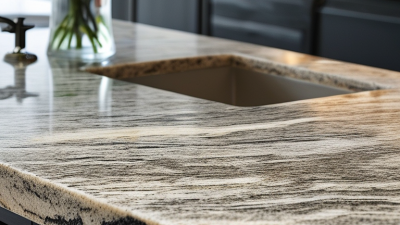
Starting a construction project? Picking the right materials is a big deal. And when it comes to exterior cladding, it’s really important because it protects the building from the weather out there. Did you know that according to the latest Global Construction Market report, the exterior cladding market is expected to hit around $265 billion by 2027? Crazy, right? That just shows how big of a role it plays in modern architecture nowadays.
Now, choosing the right cladding isn’t just about looks—think durability, style, and insulation, among other things. You've got common options like vinyl, wood, and metal, each with its perks. Vinyl’s super budget-friendly and low-maintenance, while metal tends to be really durable. Of course, some materials might need more upkeep down the road. The trick is finding that sweet spot—something that looks good but isn’t a nightmare to maintain.
As we look into the top choices for exterior cladding, it’s good to keep both current trends and long-term stuff in mind. Picking wisely not only makes your building look better but can also boost sustainability. In the end, choosing the right exterior wall materials can make a big difference when it comes to energy savings and saving you money in the long run. Knowing your options really helps owners and project managers make smarter decisions and build something that lasts.
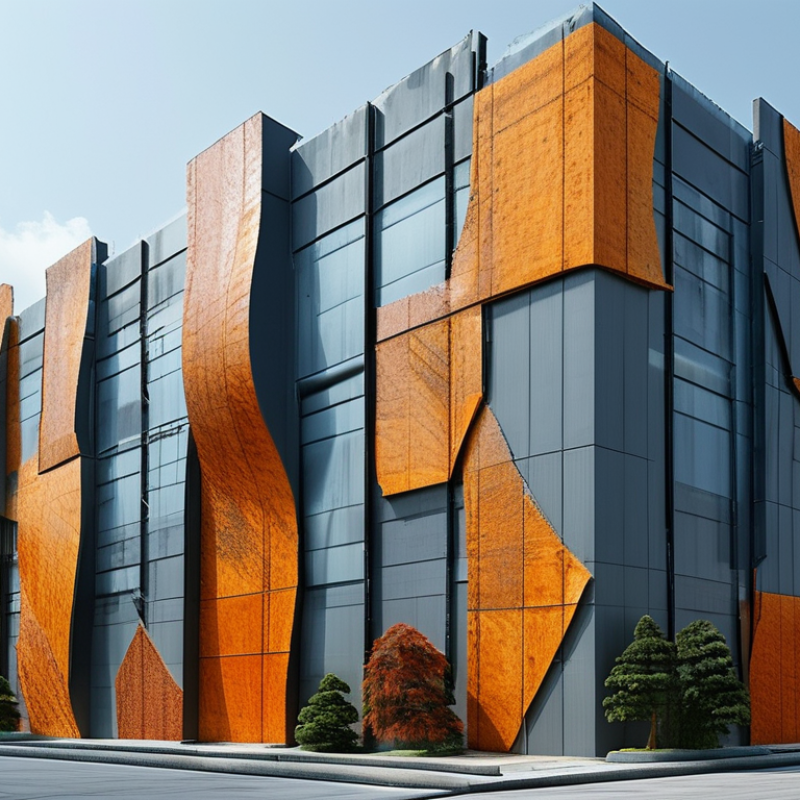
Top Benefits of Choosing the Right Exterior Cladding for Your Building
Choosing the right exterior cladding significantly impacts your building's performance and aesthetic appeal. A study by the Building Research Establishment indicates that over 80% of building energy loss occurs through surfaces. High-quality exterior cladding can minimize this loss, enhancing energy efficiency. Materials like wood, fiber cement, and Exterior Brick offer diverse benefits, from insulation to durability.
Exterior Brick is a popular choice due to its resilience and timeless appearance. Data from the American Society of Civil Engineers suggests that brick structures require less maintenance and can last over 100 years. This longevity makes them an economical option for many projects. Additionally, brick's thermal mass helps regulate indoor temperatures, contributing to energy savings.
Tips: Ensure proper installation to maximize the benefits of your chosen cladding. Inadequate sealing can lead to thermal bridging, reducing insulation efficiency. Also, consider local climate conditions when selecting materials; some options may perform poorly in extreme weather. Investing time in choosing the right exterior cladding can elevate your project’s success and sustainability.
Top 10 Exterior Cladding Options and Their Benefits
Overview of Popular Exterior Cladding Materials Available in China
In China, exterior cladding options are abundant, catering to a variety of architectural styles and climatic conditions. Common materials include fiber cement, aluminum composite panels, and natural stone. According to a report by Research and Markets, the fiber cement cladding market is expected to grow by 6.5% annually. This growth is fueled by its durability and fire-resistant properties, making it ideal for diverse environments.
Natural stone remains a popular choice due to its aesthetic appeal. However, it can be costly. Importing high-quality stone increases expenses significantly. On the other hand, aluminum composite panels offer a modern look at a lower cost. They are lightweight and easy to install, but their susceptibility to dents raises concerns about long-term use.
The market also sees rising interest in sustainable materials. Products made from recycled content are gaining traction. Customers are looking for eco-friendly solutions, pushing companies to innovate. Yet, these options sometimes compromise on durability, which is a key factor in construction. Balancing cost, aesthetics, and sustainability can be challenging for project managers.
Comparing Durability and Maintenance Requirements of Cladding Options
When considering exterior cladding options, durability is a primary concern for builders and homeowners. Different materials offer varying lifespan and maintenance requirements. For instance, vinyl siding typically lasts around 20 to 40 years, requiring minimal upkeep. In contrast, wood siding may give a charming aesthetic but demands regular painting and treatment every few years. This can be labor-intensive and costly.
Concrete panels represent another choice. They offer excellent durability, often exceeding 50 years with low maintenance needs. However, the installation process can be complex, leading to higher upfront costs. Reports suggest that choosing the right Exterior Material could influence life cycle costs by up to 30%. This reflects the ongoing expenses associated with maintenance and repair.
Moreover, the climate plays a crucial role. In coastal areas, materials like fiber cement are more suitable due to their resistance to moisture and salt. Yet, they require skilled labor for installation. Building professionals often emphasize evaluating long-term performance over initial costs. Understanding the intricacies of each option is essential for achieving a balance between aesthetics and practicality. It’s worth noting that inadequate research can lead to costly mistakes in the future.
Cost Analysis: Budgeting for Your Exterior Cladding Project
When planning your exterior cladding project, budgeting is key. The costs can vary widely based on the materials you choose. For example, natural stone may provide durability but can quickly elevate your budget. On the other hand, alternatives like vinyl offer a cost-effective solution, though they may lack the same level of sophistication.
It's important to factor in installation costs too. Some materials require specialized skills to install, potentially increasing labor expenses. Consider local labor rates when making your calculations. Over time, maintenance can also impact your budget. For instance, wooden cladding needs regular treatment, while metal options might need less upkeep.
Be mindful of your project's long-term vision. The cheapest option today might lead to more expenses later on. Assess the total cost of ownership for each material. Balancing initial costs with durability and maintenance can help avoid regrets down the line. Gather multiple quotes and be ready to adjust your choices as needed. Your decision impacts the overall appearance and functionality of your Exterior Building, so choose wisely.
Aesthetic Trends in Exterior Cladding Choices for Chinese Architecture
In recent years, exterior cladding has seen significant changes in China. Architectural styles are evolving. Aesthetic preferences shift rapidly, influenced by cultural trends and environmental sustainability. According to a report by the China Building Materials Federation, nearly 60% of new buildings incorporate modern cladding materials. This reflects a growing emphasis on both function and form.
Natural materials such as wood and stone remain favored. They evoke warmth and connection to the environment. However, the market is seeing a greater push for innovative options. For instance, metal cladding is rising in popularity due to its durability. A study from the Construction Industry Institute indicates that 30% of projects now utilize metal cladding. This material allows for sleek, contemporary designs that resonate with developers and architects alike.
Environmental concerns drive many designers to explore eco-friendly options. Recycled materials are gaining traction, highlighting a shift toward sustainability. Yet, integrating these options often presents challenges regarding durability and maintenance. Designers must balance aesthetics with practicality. This ongoing dialogue shapes the future of cladding in China’s architectural landscape.
Sustainability Considerations in Selecting Exterior Cladding Materials
When selecting exterior cladding materials, sustainability plays a crucial role. The building sector is responsible for nearly 40% of global greenhouse gas emissions, according to the International Energy Agency. This highlights the need for eco-friendly materials. Many architects and builders are turning to resources that minimize environmental impact while maintaining durability.
Recycled content is gaining traction in cladding options. Studies show that using recycled materials can decrease energy consumption by up to 30%. For instance, wood and metal cladding can be sourced from post-consumer products, reducing waste in landfills. However, not all recycled materials are created equal. Some may still have a significant environmental footprint during production. Ensuring a complete lifecycle assessment is essential.
Natural materials, like stone and bamboo, offer sustainable alternatives as well. Bamboo grows rapidly and can be harvested without destroying ecosystems. However, sourcing practices vary significantly, which can impact sustainability. Buyers should verify certifications and ensure responsible sourcing to make informed decisions. The best cladding combines with sustainability at the forefront.
Installation Tips and Best Practices for Exterior Cladding Projects
When embarking on an exterior cladding project, understanding installation tips is crucial. Exterior cladding, especially for homes or commercial buildings, significantly influences thermal performance and aesthetics. According to recent industry reports, a well-installed Wall Cladding system can improve energy efficiency by up to 50%. This reveals the importance of proper installation techniques.
Careful planning is essential. Always measure twice before cutting materials. This reduces waste and ensures that each piece fits perfectly. In fact, poorly installed wall cladding can lead to moisture issues, raising long-term maintenance costs. Take time to choose materials. Some options resist rot and pests better than others.
Additionally, ventilation is vital. Installing cladding without proper airflow can trap moisture, risking mold growth. Ensure gaps between the cladding and the substrate allow for airflow. This simple step can enhance the lifespan of your wall cladding. Pay attention to local climate conditions and adjust installation methods accordingly. What works in one region may not be suitable in another. Each project presents its own set of challenges. Reflecting on past experiences can guide future decisions.
Innovative Uses of Khaki Pitted Travertine Flexible Stone for Enhancing Rural Exterior Wall Aesthetics
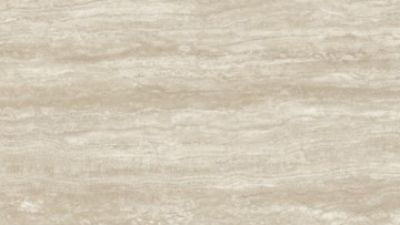
The innovative applications of warm khaki pitted travertine flexible stone are revolutionizing the aesthetics of rural exterior walls. This unique material, derived from coarse-grain khaki natural travertine gravel, showcases a surface rich in scattered irregular stone pits and staggered horizontal veins. Its warm earth tones resonate beautifully with rustic American and pastoral countryside designs, making it a perfect choice for enhancing the visual appeal of rural environments.
In addition to its striking appearance, the high-tenacity flexible formula of this travertine allows it to gracefully adapt to large radian curved structures. This feature is particularly advantageous for architects and designers looking to create dynamic and visually engaging building exteriors. Its resilience to freeze-thaw cycles and salt-spray conditions makes it not only suitable for the chilly northern villa exteriors but also for various scenic landscape projects in rural settings. Beyond outdoor applications, the rustic charm of this flexible stone provides a stunning backdrop for retro-style indoor decorations, blending natural elegance with modern flexibility.
FAQS
: Vinyl siding typically lasts around 20 to 40 years with minimal maintenance.
Wood siding requires regular painting and treatment every few years, which can be costly.
Concrete panels can exceed 50 years, offering excellent durability with low maintenance needs.
The right choice of exterior material could influence life cycle costs by up to 30%.
Climate impacts performance; for example, fiber cement works well in coastal areas due to moisture resistance.
Budget should include material costs, installation, and ongoing maintenance to avoid future expenses.
Poor installation may cause moisture issues, resulting in higher long-term maintenance costs.
Proper airflow prevents trapped moisture, reducing the risk of mold growth and enhancing lifespan.
Measure twice before cutting materials to minimize waste and ensure a perfect fit.
Reflecting on past experiences can inform better decisions for future cladding projects.
Conclusion
Choosing the right exterior cladding is crucial for any building project in China, as it significantly impacts durability, maintenance, and overall aesthetic appeal. This article outlines the top benefits of selecting appropriate exterior cladding materials, highlighting popular options available in the Chinese market. It delves into the durability and maintenance requirements of various cladding choices, providing a comprehensive cost analysis to help budget effectively for your project.
Additionally, the article explores current aesthetic trends in Chinese architecture, emphasizes the importance of sustainability in cladding material selection, and offers installation tips and best practices to ensure a successful application. By considering these factors, builders and architects can make informed decisions that enhance both the function and visual appeal of their projects, ultimately contributing to the longevity and value of the buildings they design.
 +86 18942445383

 Contact Email