Picking out the right Slate Stone Veneer for your project can feel pretty overwhelming, right? I mean, the market’s been booming lately — it’s grown over 7% each year, according to a recent report by Grand View Research. That’s a clear sign that more folks are loving natural stone in their home and commercial designs these days.
John Smith, who’s pretty much a go-to guy in the stone veneer world from Stone Solutions, points out, “The right Slate Stone Veneer can truly transform any space.” It just goes to show how crucial it is to choose wisely. Not all slate is the same — things like thickness, texture, and color really matter.
A lot of homeowners get excited about using natural stone, but sometimes they skip thinking ahead about how much work is involved in maintenance or the installation process. Knowing the ins and outs of different types of stone can really make a difference. Every choice you make affects how your space looks and how long it’ll last. So, taking a bit of time to consider these details can really help you create a space that’s both beautiful and practical — without any surprises down the line.
How Slate Stone Veneer Enhances Aesthetic Value in Construction Projects
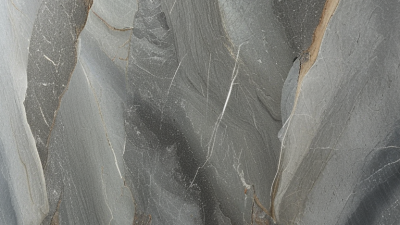
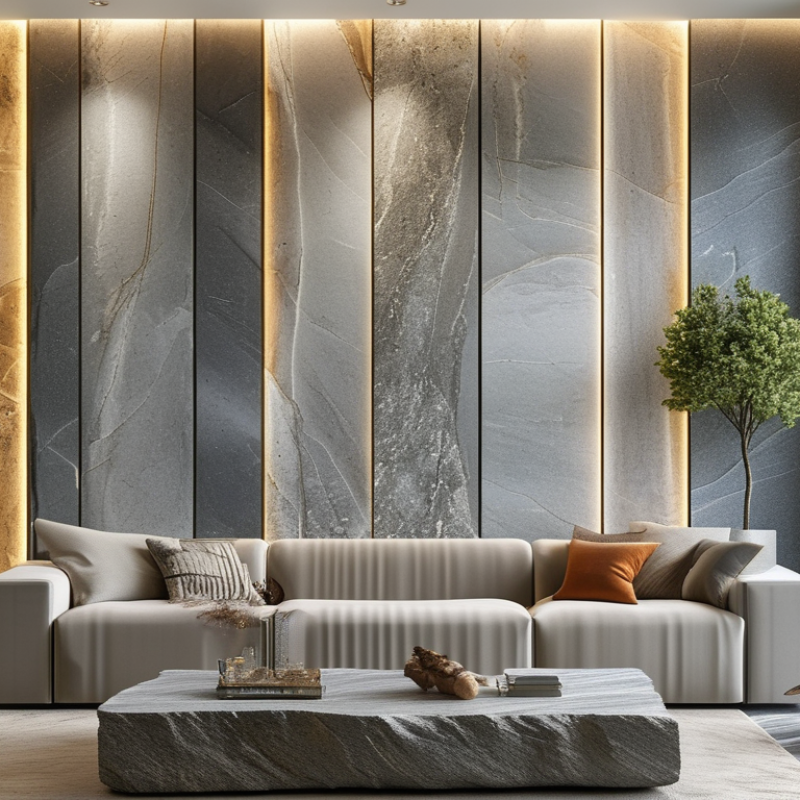
Slate stone veneer is becoming a popular choice for construction projects, especially for enhancing aesthetic value. Designers and architects appreciate its natural texture and colors. According to a recent industry report, nearly 70% of homeowners prioritize aesthetics when selecting materials for their homes. This trend highlights the importance of using visually appealing materials like Slate Veneer.
Incorporating slate veneer can significantly transform a space. Its rich, layered appearance adds depth to walls and facades. The variety of shades and finishes allows for endless design possibilities. A survey showed that homes with stone features can increase their market value by up to 10%. This statistic reflects how slate veneer not only enhances beauty but also adds financial worth.
When considering slate veneer, it's essential to choose the right type for your project. Look for locally sourced options to reduce your environmental footprint. Always consider the maintenance requirements. Some slate products may chip or fade over time, which could lead to increased upkeep. Opt for options that suit your climate and usage to ensure long-lasting beauty.
Identifying Key Factors: Durability Ratings and Weather Resistance Levels
When selecting a slate stone veneer, understanding durability ratings and weather resistance levels is crucial. Reports indicate that high-quality slate can withstand harsh weather for decades. A study by the National Association of Home Builders found that slate veneers have a lifespan exceeding 50 years when properly installed. This makes them an excellent choice for exterior projects.
Consider the local climate when evaluating weather resistance. Areas with extreme temperatures or heavy rainfall require more robust stone options. The best slate stones have low water absorption rates, usually below 0.4%. This feature ensures they resist cracking and chipping during freeze-thaw cycles, which can be common in many regions.
Pay attention to the finish of the slate. A textured surface may provide better grip and drainage, enhancing its durability over time. Additionally, color can affect heat absorption; darker slates may absorb more heat, impacting their overall longevity. Analyzing these factors carefully will lead to a more informed decision.
When buying slate, inspect samples closely for any imperfections. Test their reaction to water by sprinkling some on the surface to observe absorption. This can reveal potential weaknesses in the stone. Additionally, ask for detailed durability ratings from suppliers to ensure you're getting the best product for your project.
Evaluating Color Options: Popular Slate Finishes and Their Applications
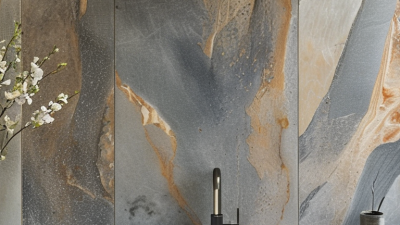
When evaluating color options for slate stone veneer, understanding the range of finishes is crucial. Slate comes in various shades, such as gray, blue, and green. Each color brings a unique aesthetic to a project. According to the National Association of Home Builders, neutral colors often enhance property value. A blue-gray finish can offer a contemporary look, perfect for modern designs.
The application of slate finishes varies significantly. For instance, a honed finish provides a smooth texture, ideal for indoor use. Conversely, a cleft finish has a natural, rugged appearance suited for outdoor environments. Professionals recommend selecting a finish that complements the architectural style of the building. However, choosing the right veneer can be challenging. The wrong color or finish might clash with other materials in your project.
Environmental considerations are also important. Slate stone is durable but can have varying environmental impacts based on its sourcing. The extraction process may affect local ecosystems. Therefore, it's wise to research suppliers who demonstrate sustainable practices. A reliable source can provide information on the environmental footprint of the slate. Balancing aesthetics with ethics can result in a cohesive and responsible design using Slate Stone Wall materials.
Understanding Installation Techniques: Best Practices for Maintaining Integrity
Installing a Stone Wall Slate can elevate your outdoor space. Yet, proper installation techniques are crucial for durability. Choosing the correct method can impact the longevity of your project. Start with surface preparation. Ensure your wall surface is clean and even. If the surface is uneven, it can lead to cracks over time. Precise measurements are also vital. Even minor deviations can affect alignment and overall aesthetics.
While working with stone wall slate, using the right adhesive is essential. Different adhesives react differently to weather changes. Some may lose grip, while others could become brittle over time. Consider the climate and local conditions for the best results. Adjust your technique based on the material's weight and thickness. It can be easy to overlook this aspect, but it's essential for maintaining the integrity of your installation.
Finally, allow for expansion and contraction. Natural stone can shift with temperature changes. Installing with gaps can prevent future issues. It’s easy to forget this step in a rush to finish. Ensure you have suitable spacers or guides in place. Regular maintenance checks post-installation can help you catch issues early. This proactive approach enhances the longevity of your stone wall slate project.
2026 How to Choose the Best Slate Stone Veneer for Your Project?
Comparing Cost Variations: Budgeting for Slate Stone Veneer Projects
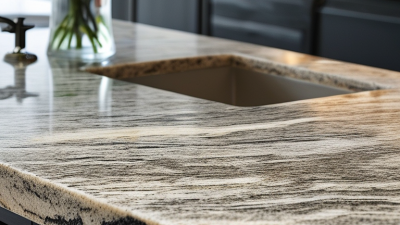
When budgeting for a slate stone veneer project, several factors come into play. The cost of slate varies widely depending on quality and origin. Premium options can drive up expenses significantly. It's essential to assess the price per square foot and include additional costs for installation. Labor costs are often overlooked but can substantially impact your budget.
Additionally, consider the environmental impact of sourcing materials. Local slate may reduce shipping costs, but availability can vary. It's important to weigh the pros and cons of sourcing options. Installation methods also affect costs. A DIY installation might save you money but requires skill and time. If you are inexperienced, professional installation expenses may be unavoidable.
Careful planning will help reduce unexpected costs. Factor in maintenance requirements. Some slate requires sealing, which adds to long-term expenses. Reflect on your project's overall budget, balancing quality and aesthetics against durability. Understanding these elements enhances your project's success and ensures a smart investment.
Exploring Environmental Impact: Sustainable Sourcing of Slate Materials
When selecting slate stone veneer, environmental impact is a key consideration. Many consumers are increasingly aware of sustainable sourcing practices. According to a 2020 report from the International Natural Stone Association (INSA), approximately 70% of stone materials extracted globally are not sourced sustainably. This data highlights the importance of responsible quarrying.
Sourcing slate materials ethically can minimize environmental risks. Sustainable quarrying methods reduce habitat destruction and conserve resources. For example, using water-efficient processing techniques can lower water consumption by up to 40%, according to a study published by the Natural Stone Institute. Choosing suppliers committed to sustainable practices ensures that your slate stone veneer has a lower ecological footprint.
However, not all slate is created equal. The texture and quality can vary significantly. Some slate may contain harmful additives or require extensive processing, leading to increased carbon emissions. It's crucial to ask questions about a supplier’s sourcing protocols and production methods. Transparency in operations is essential for making eco-friendly choices. By demanding accountability, consumers can influence the industry towards better practices while still achieving the desired Slate Stone Texture for their projects.
Analyzing Industry Standards: Certifications and Compliance in Slate Veneer Use
When selecting slate stone veneer, understanding certifications and compliance is essential. Industry standards ensure that the materials are safe and of high quality. Look for products that are verified by recognized organizations. These certifications can indicate adherence to environmental and safety regulations.
Pay attention to the sourcing of the slate. This influences the environmental impact and the quality of the material. Some suppliers may not prioritize sustainable practices. This could lead to undermining the integrity of your project. Always ask about the origin and processing methods of the slate. Some vendors may provide only partial information.
Not all slate meets the same standards. It is crucial to verify durability claims. Look for specific tests that the slate has undergone. A stone may look appealing, yet it may not perform well under certain conditions. This disparity can lead to costly maintenance down the line. Conduct thorough research to avoid pitfalls. It’s better to be diligent than to face regrets later in your project.
Transform Your Space: The Benefits of Medium Grey Porphyry Flexible Stone Wall Panels for Modern Design
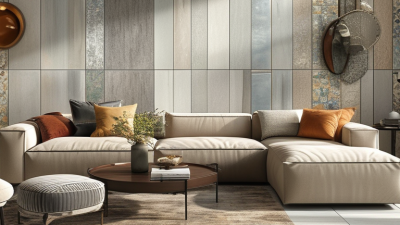
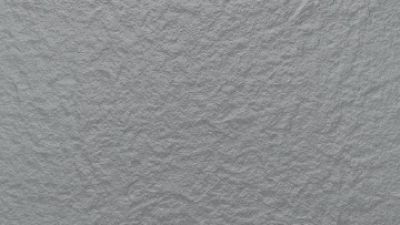
Transforming your space with medium grey porphyry flexible stone wall panels can elevate the aesthetic of both residential and commercial environments. This innovative material, crafted from high-purity natural porphyry, offers a soft, subtle chiseled matte surface that embodies modern minimalism. The neutral medium grey tone acts as an ideal backdrop for contemporary design themes, seamlessly integrating with various color palettes and textures. Industry insights suggest that natural stone veneers are becoming increasingly popular in design trends, with a reported growth rate of 5.6% in the global market, driven by consumer preference for sustainable and aesthetically pleasing building materials.
The eco-friendly characteristics of these flexible stone panels further enhance their appeal. Composed of ultra-thin, lightweight, and bendable inorganic composite materials, these panels meet the A2 fire resistance standard, ensuring safety without compromising style. Their exceptional waterproof and moisture-proof properties, along with UV resistance and outdoor durability, make them an excellent choice for diverse applications—from multi-story residential facades to chic indoor living spaces. Research indicates that the durability of such materials contributes to lower maintenance costs and longer lifespan, making them a savvy investment for homeowners and developers alike. The ease of installation, with large-format sheets allowing for neat, integral wall paving, revolutionizes the renovation process, aligning with the increasing demand for efficient and visually stunning design solutions.
FAQS
: Focus on durability ratings and weather resistance levels. High-quality slate lasts decades if installed properly.
Extreme temperatures and heavy rainfall require stones with better durability. Low water absorption rates are vital.
The finish affects texture and grip. Textured surfaces improve drainage and overall durability.
Darker colors absorb more heat, potentially reducing longevity. Choose colors that match your design needs while considering performance.
Inspect samples for imperfections. Test water absorption to identify any weaknesses in the stone.
Ethical sourcing reduces environmental impacts. Responsible quarrying protects ecosystems and conserves resources.
Research suppliers’ practices and ask about their sourcing methods. Look for those committed to environmentally friendly processes.
No, quality varies. Some stones may have harmful additives or require extensive processing, leading to higher carbon emissions.
An unsuitable finish may clash with surrounding materials, impacting your project's aesthetic and functionality.
They encourage better practices in the industry. Consumers can drive change by demanding clear information from suppliers.
Conclusion
Slate Stone Veneer is an exceptional choice for enhancing the aesthetic value of construction projects, providing a natural and timeless look that can elevate the overall design. When selecting slate stone veneer, it is crucial to consider factors such as durability ratings and weather resistance levels to ensure its longevity in varying environmental conditions.
Furthermore, evaluating the color options available and understanding their applications can help tailor the appearance to specific project needs. Mastering installation techniques is vital for maintaining the integrity of the veneer, while also budgeting for cost variations can aid in financial planning. Lastly, exploring the environmental impact of slate materials through sustainable sourcing is essential, along with being aware of industry standards and certifications to ensure compliance in the use of slate veneer. Overall, thoughtful consideration of these elements will help achieve successful outcomes in projects utilizing slate stone veneer.
 +86 18942445383

 Contact Email