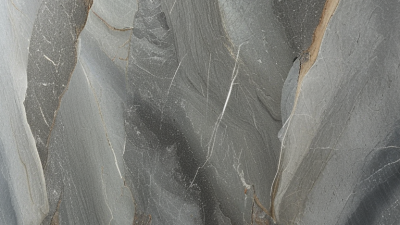
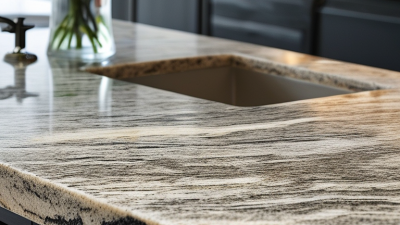
Lately, there's been a noticeable uptick in using natural stone materials in building and design projects. I mean, according to the Natural Stone Institute, this industry’s been growing around 7% a year — that's pretty impressive. You can really see the appreciation for how durable and beautiful natural stone is becoming. Experts like Dr. Susan R. Stone, who’s pretty much a go-to person in geological materials, even say, ‘Natural stone not only boosts the visual appeal but also adds real value to any project.’
Opting for natural stone isn't just about looks; it’s also a smarter move environmentally. It tends to need less upkeep than synthetic options and has that timeless vibe you just can’t get from man-made stuff. Plus, those unique textures and rich colors give your space an exclusive feel that you just can’t fake with synthetics. That said, working with natural stone can sometimes be tricky — sourcing the right kind and making sure it’s installed properly isn’t always straightforward. It’s one of those things where careful selection and good maintenance really make all the difference.
As the market continues to expand, everyone involved—from homeowners to builders—has to deal with supply chain hiccups and price shifts. So, it’s super important to team up with certified professionals who know their stuff, to steer clear of common pitfalls. Knowing the ins and outs of natural stone can really help you get the most out of it. Chatting with experts can clear up doubts and help you make smarter decisions along the way.
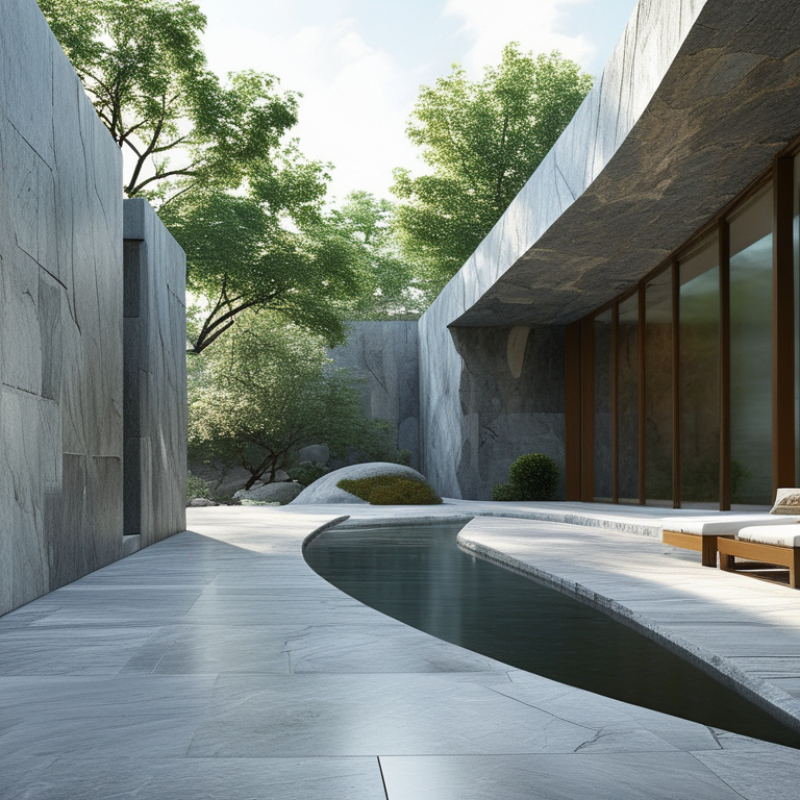
Benefits of Natural Stone Materials in Construction Projects
Natural Stone Materials have become popular choices in construction projects. They offer a unique blend of beauty and durability. Each type of stone brings its own aesthetic, giving projects a distinctive character. This is particularly valuable for architects and designers who aim to leave a lasting impression.
The durability of stone materials is unmatched. They are resistant to weathering, making them ideal for outdoor applications. However, maintenance can be an area for consideration. Some stones require sealing to prevent stains, while others can withstand harsher conditions. It’s essential to choose wisely based on project needs.
Tips: Always consider the environment where the stone will be used. Some materials may not perform well in extreme climates. Research the specific stone types and their characteristics. Understanding these details ensures a successful outcome. Choosing the right stone material can enhance both the longevity and the visual appeal of your project. Remember, not all stone is created equal. Test samples when possible to make the best choice for your requirements.
Benefits of Natural Stone Materials in Construction Projects
Durability and Longevity of Natural Stone Compared to Alternatives
When considering materials for construction, natural stone stands out for its durability. Its resistance to wear and weathering surpasses many alternatives. Natural stone is not only a practical choice but also projects elegance. When correctly installed, it supports the structure for years.
Unlike man-made options, natural stone requires less maintenance. The longevity of stone means fewer replacements over time. However, some might find its upfront cost intimidating. Yet, the investment pays off due to its lasting nature. This is particularly true for Wall Material, where the choice can affect both aesthetics and structure.
Natural stone does have imperfections, giving it unique character. Each piece tells its own story, which some may find appealing. Nevertheless, selecting the right type may require guidance. Expertise in the field can help navigate these choices. Finding a balance between beauty and functionality is essential for any project.
Aesthetic Appeal: The Visual Impact of Natural Stone
Natural stone has a captivating aesthetic appeal that transforms spaces. Its unique textures and colors bring a natural beauty unlike any synthetic material. According to a report by the Natural Stone Institute, 80% of homeowners believe that natural stone enhances the overall look of their living areas. This perception stems from the material's inherent charm and elegance, making it a favored choice for both interior and exterior applications.
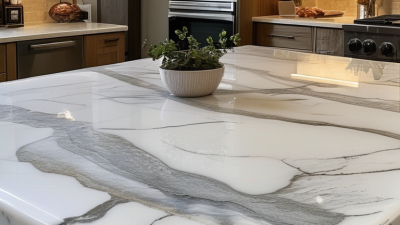
The visual impact of natural stone can elevate a project dramatically. Imagine the sophistication of a marble countertop or the rustic allure of slate flooring. Each stone tells a story through its patterns and colors. Research shows that spaces featuring natural stone can increase property value by up to 10%. This statistic underscores how essential aesthetic appeal is to homebuyers.
While the advantages are clear, sourcing and installing natural stone can present challenges. Variations in stone quality, color, and pattern may arise. These inconsistencies can create unexpected results. However, many designers view this as an opportunity for creativity. The uniqueness of each piece can lead to standout results that no two projects share. Embracing the unpredictability of natural stone can lead to design solutions that feel both intentional and deeply personal.
Environmental Benefits of Using Natural Stone in Projects
Natural stone offers significant environmental benefits that deserve attention in today’s construction landscape. According to a report by the Natural Stone Institute, natural stone has a low environmental impact compared to synthetic materials. Its extraction and processing require less energy. This makes it a sustainable choice for various projects.
Using natural stone can also contribute to improved air quality. Unlike some manufactured materials, stone doesn't emit harmful VOCs (volatile organic compounds). This results in healthier indoor environments. In fact, the U.S. Green Building Council highlights that natural stone can help earn valuable LEED credits. This is essential for projects seeking sustainable certifications.
Investing in natural stone can enhance aesthetic value and durability as well. While it may come at a higher upfront cost, the longevity of the material often offsets these expenses over time. It results in less frequent replacements. However, it’s important to consider the local availability of stone. Transportation can add to the carbon footprint. Choosing locally sourced Sheet Material can mitigate this issue. Making thoughtful choices can bridge beauty with stewardship for the planet.
Maintenance and Care of Natural Stone Surfaces
Natural stone surfaces are renowned for their beauty and elegance. However, maintenance and care are essential for preserving their charm. Regular cleaning should be part of your routine. Use a soft cloth and mild soap to avoid scratches. Avoid harsh chemicals; they can damage surfaces over time.
Sealing is another crucial step. It helps protect against stains and moisture. Depending on the type of stone, you might need to reseal it every year. Pay attention to any signs of wear. Dullness or discoloration can indicate it's time for a refresh. Don't overlook the importance of choosing the right Material Sheet for your project. This can influence both aesthetics and upkeep.
While natural stone is durable, it isn't impervious to damage. Small chips or cracks can occur. Promptly addressing these issues can prevent larger problems. Be reflective about your cleaning habits. Overzealous scrubbing can lead to more harm than good. With proper care, natural stone can last for generations.
Cost Considerations: Investing in Natural Stone Materials
Natural stone materials offer a unique blend of beauty and durability. However, when considering them for your next project, cost is a critical factor. Many assume natural stone is overly expensive, but it can be a wise investment. The longevity of stone often outlasts other materials, making it cost-effective in the long run. Choose materials that blend aesthetics with your budget.
Tips: Look for local stone suppliers. They often provide better prices and reduce transportation costs. Consider unique cuts and finishes. Custom options might seem costly upfront but can enhance the material’s value.
Think about maintenance too. Some stones are more prone to staining and wear. Each type has different care needs. A polished granite countertop may look appealing but requires more upkeep than a rougher limestone. Weigh your choices carefully to ensure your selection fits within both your budget and lifestyle. Choose wisely. Your investment deserves thought and planning.
Variety and Versatility: Types of Natural Stones for Different Uses
Natural stone materials offer an extensive range of types, each suited for specific applications. Granite, for example, is a popular choice for countertops due to its durability and resistance to scratches. According to industry reports, around 75% of homeowners prefer granite for kitchen surfaces. Slate, on the other hand, is favored for flooring due to its natural slip resistance. These choices reflect the diverse needs of consumers.
Marble is renowned for its elegance and aesthetic appeal. It's often utilized in luxury spaces such as hotels and commercial buildings. However, homeowners must consider its porous nature. Without proper sealing, it can stain easily, which is a drawback for high-traffic areas. A recent survey indicated that more than 50% of architects recommend stone types based on these pros and cons.
Limestone and sandstone provide a more rustic charm for outdoor projects. These stones are generally more affordable, attracting budget-conscious consumers. Yet, they may require more maintenance than harder stones. Reports suggest that the majority of contractors stress the importance of selecting the right stone type based on structural integrity and environmental factors. Understanding these variables is crucial when discussing natural stone for your next project.
Why Choose Natural Stone Material for Your Next Project? - Variety and Versatility: Types of Natural Stones for Different Uses
| Type of Natural Stone |
Common Uses |
Durability |
Maintenance Level |
| Granite |
Countertops, Flooring, Monuments |
High |
Low |
| Marble |
Sculptures, Flooring, Walls |
Medium |
Medium |
| Limestone |
Building Blocks, Facades, Paths |
Low to Medium |
High |
| Slate |
Roofs, Flooring, Pool Surrounds |
Medium to High |
Medium |
| Soapstone |
Countertops, Sinks, Stoves |
High |
Low |
Exploring Market Trends and Durability in the Stone Tile Industry: The Rise of Dark Grey Gold Vein Rough Flexible Stone Tiles
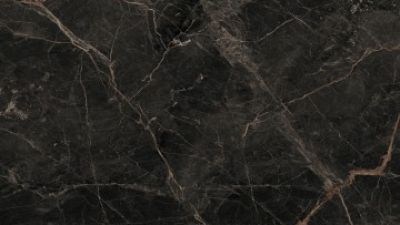
The stone tile industry is witnessing a remarkable transformation with the emergence of dark grey gold vein rough flexible stone tiles. These tiles, characterized by their deep dark grey base accentuated by striking golden red mineral veins, are redefining the aesthetics of both luxury and industrial spaces. Their rough split surface not only adds a unique tactile element but also contributes to an overall ambiance that speaks to high-end sophistication and modernity.
Crafted from ultra-thin, lightweight, and bendable eco-friendly materials, these tiles meet A2 fireproof standards, making them a safe choice for various applications. Their superb waterproof and anti-UV properties ensure durability against the elements, making them ideal for use in a wide range of environments. Whether adorning the walls of high-end lobbies, acting as dramatic backdrops in industrial-style spaces, or enhancing the facades of commercial buildings, these tiles offer versatility for both indoor and outdoor renovations. Their ability to seamlessly blend with different design themes makes them a preferred choice for architects and designers looking to make a bold statement.
FAQS
: Natural stone enhances spaces with unique textures and colors. It offers a beauty that synthetic materials cannot match.
Homes with natural stone can increase their value by up to 10%. Buyers appreciate its aesthetic charm and elegance.
Variations in color and quality can occur. These inconsistencies may lead to unexpected results in design projects.
Regular cleaning with a soft cloth and mild soap is essential. Avoid harsh chemicals to prevent surface damage.
Depending on the stone type, resealing may be needed each year. Look for signs of wear like dullness or discoloration.
Assess aesthetics and upkeep needs. Some stones require more maintenance, affecting your long-term investment decision.
While durable, natural stone is not impervious. Small chips or cracks can develop, so address issues promptly to avoid bigger problems.
While often perceived as expensive, natural stone is a cost-effective choice over time. Longevity can outweigh initial costs when selecting materials.
Custom cuts may have higher upfront costs but can enhance the material’s value. Balance beauty with your budget for best results.
Conclusion
Natural Stone Material is an excellent choice for construction projects due to its numerous benefits. Renowned for its durability and longevity, natural stone outlasts many synthetic alternatives, making it a wise investment for both residential and commercial applications. The aesthetic appeal of natural stone adds a unique visual impact, enhancing the overall design of any space.
Moreover, the environmental benefits of using natural stone cannot be overlooked, as it is a natural resource that requires minimal processing. With a wide variety of types available, natural stones offer versatility for different uses, catering to diverse design concepts. Although initial costs may be higher, the long-term value, along with easier maintenance and care, makes Natural Stone Material a practical choice for those aiming for both beauty and sustainability in their projects.
 +86 18942445383

 Contact Email