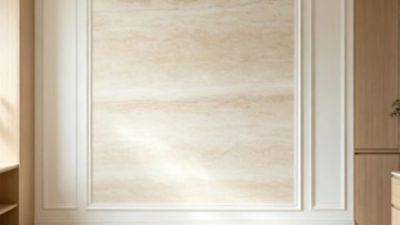
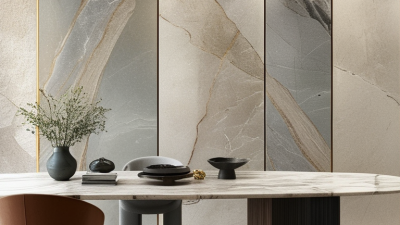
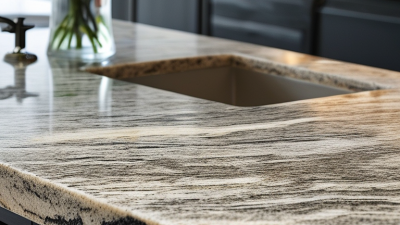
So, if you're starting a project that needs to look great and last a while, picking the right Faux Stone panels is pretty important. The market for these panels is really booming right now — it’s actually expected to hit around $1.58 billion by 2025, according to Grand View Research. Honestly, with so many options out there, making a choice can get pretty overwhelming. Industry expert John Smith from Faux Design Solutions put it best when he said, "Choosing the right faux stone can totally change your space without breaking the bank."
Faux Stone Panels come with a bunch of perks — they’re lightweight, easy to install, and do a pretty good job mimicking natural stone. Plus, they’re often way cheaper! But heads up: not all panels are created equal. The quality can differ a lot, so you wanna look for ones that are durable and UV resistant. Going for the cheap, low-quality stuff might save you some cash upfront but could end up looking worn out pretty fast, leaving you annoyed.
Also, think about what your project actually needs. Things like color, texture, and where you’ll use the panels really matter. Sure, it’s tempting to just go for what looks good initially, but don’t forget — you want something that’s gonna hold up over time. When you’re browsing, keep in mind that the best Faux Stone Panels will not only make your project look amazing but will also go the distance and keep looking good for years to come.
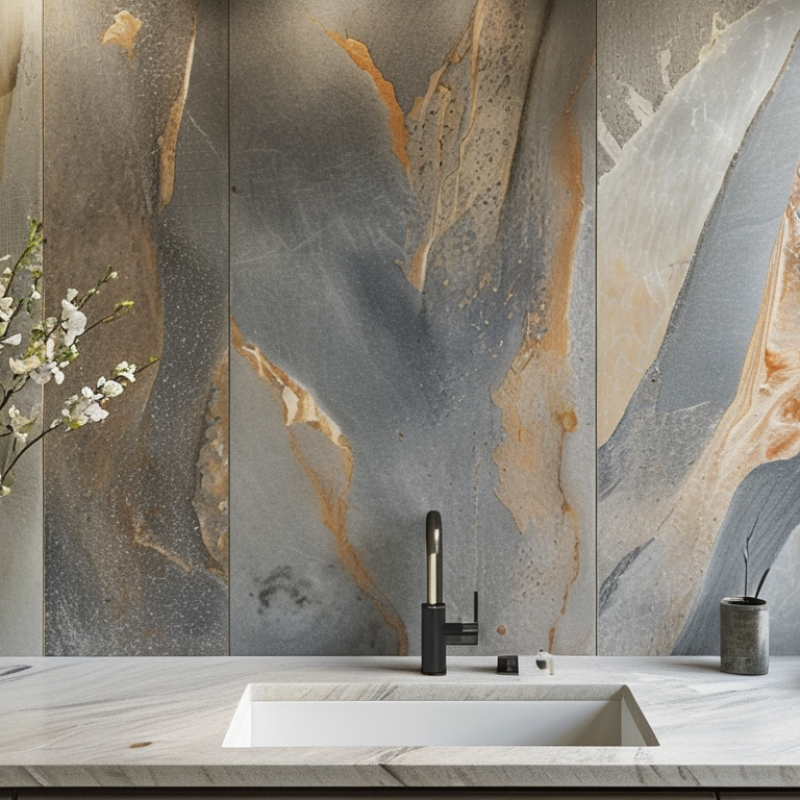
Understanding Faux Stone Panels: A Comprehensive Overview
Faux Stone Panels have transformed the design landscape. They offer a realistic stone appearance without the hefty price tag of natural stone. These panels are made from high-density polyurethane or other materials. According to a recent industry report, the faux stone market is expected to grow by 6% annually. This growth is due to rising demand for sustainable and cost-effective building materials.
Tip: Always check the product specifications. Some panels may require special adhesives or installation methods.
When choosing faux stone panels, it's essential to consider durability. Look for panels that can withstand harsh weather conditions. Many panels come with UV resistance, which helps maintain their color over time. The installation process can also impact the overall appearance. Panels that interlock or have a simple setup can save time and reduce labor costs.
Tip: Test samples before making a purchase. This can reveal how well the panels will complement your project.
Another critical factor is the variety of textures and colors available. Some companies report that consumers prefer rustic styles, while others lean towards modern aesthetics. Engaging a trusted design professional can help navigate these choices.
Pay attention to warranties and customer reviews. These can provide insights into the reliability of the faux stone panels in real-world applications. Ensuring a balance between beauty and functionality is essential for a successful project.
Identifying Your Project Needs and Requirements
When selecting faux stone panels for your project, it’s critical to identify your specific needs. Consider the function of the panels. Are they for aesthetic improvement, insulation, or a combination of both? According to a recent industry report, about 70% of homeowners prioritize appearance over other features when choosing materials. Understanding your priority can shape your options significantly.
Next, evaluate the environment where the panels will be installed. Outdoor panels require higher durability than indoor ones. A study found that 40% of faux stone panel failures arise from environmental exposure. Ensure that the product you choose can withstand local weather conditions. Additionally, think about the installation process. Some panels are easier to install than others, impacting project timelines and labor costs.
Lastly, consider the long-term maintenance needs. While faux stone panels are generally low maintenance, certain finishes may require more care. A survey indicates that nearly 30% of consumers underestimated maintenance efforts, leading to dissatisfaction down the road. Reflecting on these aspects can help in making a well-informed decision that aligns with your project goals.
Evaluating Different Types of Faux Stone Panels
When evaluating different types of faux stone panels, consider several factors. The market offers diverse options, from polyurethane to polystyrene materials. Each type has distinct characteristics that impact durability and aesthetics.
Polyurethane panels often mimic natural stone closely. They are lightweight, easy to install, and resistant to moisture. According to the 2022 Building Materials Review, polyurethane panels retain up to 90% of their initial appearance over time. This durability is critical for long-term projects.
On the other hand, polystyrene panels are usually more affordable. They can achieve a rugged look, but they may wear faster than those made from polyurethane. A report from the National Association of Home Builders noted that cost-driven choices often lead to maintenance issues. Homeowners often find themselves replacing inferior products sooner than expected.
Consider the environmental impact of your choice too. Eco-friendly faux stone panels made from recycled materials are gaining popularity. They contribute to sustainability goals while providing the desired aesthetic. This option can also resonate with eco-conscious clients. Balancing cost, longevity, and environmental considerations will help you select the best faux stone panels for your project.
Examining Material Quality and Durability Factors
When selecting faux stone panels, material quality and durability are crucial. Faux stone panels come in various materials, primarily polyurethane and polystyrene. Each material has unique qualities. Polyurethane tends to offer better impact resistance. Polystyrene is lightweight and cost-effective. However, it may not hold up as well under harsh conditions. Consider where you will install the panels; outdoor locations need options that resist weather changes.
Durability is another vital factor. Look for panels that can withstand UV rays and extreme temperatures. Thin Stone options are available with protective coatings, enhancing longevity. You may find some panels that appear appealing but lack durability. Aesthetic appeal should never come at the expense of functionality. Test samples under different conditions before making a decision.
Some faux stone panels might not have the expected lifespan. Consumer reviews can reveal past experiences. Researching will help prevent future regrets. Not every panel will suit every project, so a thorough evaluation is necessary. Always read through installation guidelines and care requirements. This ensures your investment in faux stone is worthwhile and aligns with your needs.
Choosing the Right Style and Color for Your Aesthetic
Choosing the right style and color for faux stone panels can dramatically enhance your space. Different settings require distinct aesthetics. For a rustic look, opt for warm tones like browns and beiges. They can create a cozy, inviting atmosphere. Alternatively, cooler grays and whites lend a modern vibe. Think about the mood you want to evoke in your project.
When selecting faux stone, consider the existing decor. Wall Stone designs should harmonize with your furniture and fixtures. For example, if you have dark wood accents, a lighter stone panel might offer a striking contrast. Don't forget about the texture, too. A smooth finish can feel sleek, while a rougher texture can add depth.
Colors may appear different under various lights. Always test samples before making a decision. This step can prevent potential regrets later. Brainstorm how each option fits within your vision. Engage with friends or family for input. Their perspectives might spark new ideas or reveal overlooked details.
Assessing Installation Methods and Ease of Use
When selecting faux stone panels, installation methods and ease of use are crucial. Each type of panel can vary in weight, design, and format. Some are lightweight and easy to cut, while others may require more tools and time. Consider how accessible your project area is. If space is tight, a lighter panel can simplify the process.
Take into account the installation method. Some panels come with adhesive backing, making them quick to apply. Others may need screws or nails. This can add time and effort to your project. Verify that you have the necessary tools. Missing items can lead to delays.
Remember, no installation is without challenges. For instance, aligning the panels can be tricky. Ensure you have adequate workspace to avoid mistakes. Researching tips from experienced users can provide insight into common pitfalls. It's wise to measure twice and cut once. That’s the reality of the installation process.
Budgeting: Cost Considerations for Faux Stone Panels
When planning your project, budgeting is crucial for faux stone panels. The cost can vary widely based on material, size, and style. On average, faux stone panels can cost between $6 to $12 per square foot, depending on quality and supplier. Investing in high-quality Stone Thin panels may increase initial costs, but they often offer better durability and appearance, which can save money in the long run.
Always consider installation costs in your budget. Professional installation adds around $5 to $15 per square foot. This expense may surprise some homeowners. DIY installation can reduce costs, yet it requires careful planning and execution. Mistakes in measurements or cutting can lead to excess waste, making the project more expensive overall.
Researching suppliers and comparing options can lead to better prices. An analysis by Remodeling Magazine showed that homeowners could recoup up to 70% of their investment in stone veneer upgrades. Nevertheless, selecting the cheapest option may not always result in the best value. Hence, weighing the total lifecycle costs is wise. Sometimes, spending slightly more initially can yield significant benefits in aesthetic appeal and longevity.
Cost Considerations for Faux Stone Panels
Exploring the Market Potential of Flexible Stone Wall Panel Decorative Sheets: Insights from Industry Reports on Sustainable Interior Design Trends
The rising interest in sustainable interior design has opened up new opportunities for innovative materials, particularly in decorative elements like flexible stone wall panel sheets. The ultra-light flexible stone veneer stands out in this context, offering a unique blend of aesthetic appeal and practical functionality. Its bendable and waterproof features make it an ideal choice for both interior and exterior wall decorations, allowing designers to create striking visual effects without compromising on durability.
This material is not only easy to install but also promotes eco-friendly practices, aligning with the growing demand for sustainable options in the marketplace. With its durable and weather-resistant properties, flexible stone veneer is designed for long-term use, making it a wise investment for any design project. As the industry shifts towards more sustainable solutions, the adoption of such innovative materials underscores a commitment to environmental responsibility while enhancing the beauty and functionality of living spaces.
FAQS
: Consider the panel’s function. Is it for aesthetics, insulation, or both? This shapes your options.
Outdoor panels need higher durability. About 40% of panel failures come from exposure to environmental conditions.
Some panels are easier to install. This affects labor costs and timeline. Choose wisely to avoid delays.
Faux stone panels are typically low maintenance. However, some finishes may need more care, which can be overlooked.
Prices range from $6 to $12 per square foot. Quality and supplier influence the final cost significantly.
Professional installation may add $5 to $15 per square foot. DIY can save money, but requires careful planning.
Errors in measurements or cutting can create excess waste. This can increase costs and lead to dissatisfaction.
Homeowners may recover up to 70% of investment. However, selecting low-cost options might not yield the best value.
Higher-quality panels may cost more initially. However, they often provide long-term durability and better aesthetics.
Reflect on function, environment, maintenance, and total lifecycle costs to make an informed choice.
Conclusion
Faux stone panels have become increasingly popular for various construction and design projects due to their versatility and aesthetic appeal. In choosing the best faux stone panels, it's crucial to start with a comprehensive understanding of these materials, including their types and the unique qualities they offer. Identifying your specific project needs, whether for interior or exterior use, will guide you in evaluating the different options available.
Material quality and durability are vital factors to consider, as they significantly impact the longevity and maintenance of your installation. Additionally, selecting the right style and color can enhance your project's overall aesthetic, while convenience in installation is essential for a successful outcome. Lastly, it's important to establish a budget that encompasses all costs associated with faux stone panels, ensuring you achieve both beauty and functionality without overspending.
 +86 18942445383

 Contact Email