Leave Your Message
0%

Choosing the right exterior cladding from China isn’t just about crunching numbers and comparing prices online. Honestly, you gotta think about whether the product really fits the building’s climate, style, and how much maintenance it needs. For instance, if you’re working on a coastal project, you'll want something that resists corrosion pretty well. And if it's a cold region, paying attention to thermal movement and moisture can save you headaches down the line. Oh, and fire safety? That’s something to review early on—don’t wait until the last minute to check that out.

Getting reliable info starts with clear specs. Make sure you know exactly what kind of panels you need—material type, thickness, coating system, dimensions, color accuracy, warranty details, and how they’re going to be installed. It’s totally helpful to ask for current technical datasheets and independent test reports. While samples are great for feeling the surface texture, they don’t tell you everything about long-term durability. Looking at factory audits, production photos, and quality control records can give you a better sense of what you’re really getting. And if possible, having a trusted local inspector check the raw materials, finished panels, packaging, and how the containers are loaded can make all the difference.

Don’t jump to the cheapest quote right away—sometimes it’s a red flag. A reputable Chinese manufacturer should be able to answer your specific questions clearly. Ask about their production capacity, experience in export, how they handle replacements, and their previous quality records. Be sure to check if the price covers everything— tooling, protective films, pallets, testing, and delivery. Missing even a small detail now could end up costing you big time later on. Also, review Incoterms and import rules with a qualified logistics or customs expert.

Experience has shown us that even the most careful buyers miss things. Color batches might vary slightly, installation drawings can be incomplete, and a beautiful sample might hide weak edges or poor protection. That’s why doing a trial order and testing a mock-up panel is such a smart move—better to catch issues early than after you’ve gone all-in.

In the end, the best choice is one that balances good design, proven performance, clear communication, and overall project costs. China has plenty of capable suppliers, but reliable results come from thorough checks and verification—not just trusting promises. Keep your eyes open and don’t skip the due diligence—it’s worth it to get what you really need.
How to Choose the Best Exterior Cladding from China?

Define Exterior Cladding and Its Main Functions

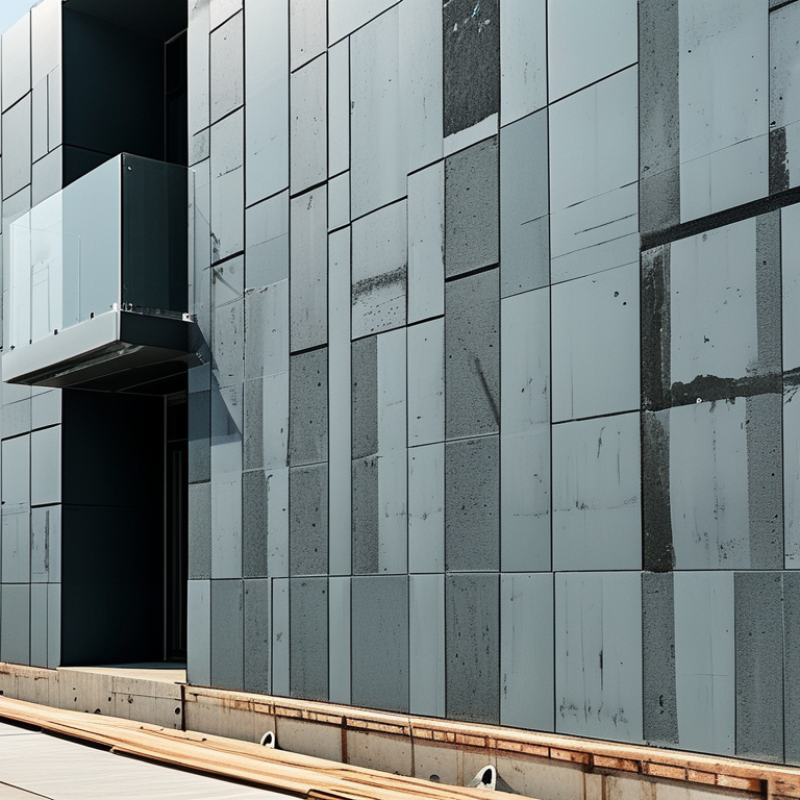
Exterior Wall Cladding is the protective outer layer fixed to a building’s exterior walls. It may use metal, fiber cement, ceramic panels, stone, or other durable materials. The cladding usually works with insulation, membranes, rails, and ventilation gaps. Together, these parts form a building envelope. Its appearance matters, but performance comes first. No surface is perfect.

The main function of exterior cladding is controlling rain, wind, sunlight, and temperature changes. A well-designed rainscreen helps water drain away from the wall structure. Ventilation gaps can also reduce trapped moisture and drying problems. Cladding may improve thermal comfort, sound control, and fire resistance when the full system is tested properly. It also protects the underlying wall from impacts and pollution. Small details matter. Poor joints can weaken good materials.

When choosing cladding from China buyers should request clear technical data and installation drawings. Ask for samples, material thickness, coating details, and maintenance requirements. Test reports should come from qualified laboratories and match the exact product supplied. Experienced project teams also check production consistency, packaging, and traceability. Samples reveal color and texture, but they cannot prove long-term durability. I would compare the supplier’s claims with local climate and building requirements. Specifications can look complete, yet site conditions may expose hidden weaknesses. That gap deserves honest review.

Compare Cladding Materials Available from China

Choosing the best exterior cladding from China requires more than comparing colors and catalog photos. Compare material performance, factory control, and delivered cost. China supplies aluminum, terracotta, fiber cement, engineered stone, and Exterior Stone Cladding for different building conditions.

UNEP’s 2023 Global Status Report for Buildings and Construction states that buildings consume 34% of global energy and create 37% of energy-related emissions. Material choice deserves serious attention. Aluminum panels are lightweight and reduce structural demand. The International Aluminium Institute reports that recycled aluminum requires about 5% of primary production energy. However, ask whether the quoted product contains recycled content. Do not guess.

Terracotta offers stable color and strong resistance to sunlight, but its weight increases fixing requirements. Fiber cement usually costs less and provides useful fire resistance, yet its cement content can raise embodied carbon. Natural stone creates a solid, tactile façade, especially around entrances and podiums. It also needs careful checking for thickness, water absorption, freeze-thaw performance, and batch variation. A supplier’s test report is helpful, not conclusive. Request recent results from an accredited laboratory, installation drawings, and sample panels showing joints, corners, and drainage. Price comparisons can mislead when brackets, coatings, packaging, and breakage are excluded. I would also question unusually short lead times. They may reflect efficient production, or missing quality checks.

Assess Climate, Building Type, and Design Requirements

Choosing exterior cladding from China starts with climate, not catalog photos. In coastal cities, salt air and driving rain can expose weak coatings within months. For freeze-thaw regions, request water absorption, frost resistance, and dimensional stability data. Verify the testing method and laboratory credentials. Humid climates need ventilated cavities and carefully detailed drainage. Small gaps matter.

Building type changes the risk profile. A low-rise home may use Exterior Brick Cladding over a drained and ventilated backing wall. High-rise applications require engineered support, fire performance documents, wind-load calculations, and controlled panel movement. During renovations, inspect the existing substrate before ordering materials. I once saw attractive samples fail to match uneven masonry. The installation team spent days correcting tolerances. That mistake was avoidable.

Design requirements should include more than color. Compare texture under cloudy daylight, joint width, corner pieces, trim, and replacement availability. Ask for a full-size mock-up, not only a small tile. Confirm batch consistency and packaging protection before shipment. A supplier’s technical answers should be specific, measured, and written. Vague promises are a warning. Still, no specification removes every uncertainty. Site exposure, workmanship, and maintenance can alter performance. Recheck assumptions with a local architect or facade engineer before approving production.

Check Product Quality, Standards, and Certifications

How to Choose the Best Exterior Cladding from China?

When sourcing exterior cladding from China, verify product quality before comparing prices. For Exterior Sandstone Cladding, request samples from the actual production batch. Do not rely on catalog photographs. Inspect the stone under daylight for color variation, open cracks, uneven edges, and patched areas. Measure thickness with a digital caliper. Check whether mesh backing, resin, or surface treatments are clearly declared.

Ask the supplier for test reports covering water absorption, flexural strength, density, freeze-thaw resistance, and fire performance. The required values should match your project location and local building rules. Confirm whether the reports follow relevant ASTM, EN, or GB standards. Each report should show the laboratory name, test date, sample identification, and tested product description. A certificate without traceable details proves very little. It is worth contacting the laboratory directly when the project is large.

Factory audits can reveal practical risks. Look at cutting equipment, stone storage, dust control, packing methods, and batch labeling. Ask how rejected pieces are recorded. Also review the installation system, including anchors, joint width, wind-load calculations, and drainage gaps. A beautiful panel can still fail when the fixing design is weak. One lesson deserves attention: a valid certificate may not describe your exact stone. I would not treat a neat showroom wall as proof. Request a pre-shipment inspection, retain approved samples, and include measurable acceptance criteria in the purchase contract.

How to Choose the Best Exterior Cladding from China? - Check Product Quality, Standards, and Certifications

Cladding Type Typical Composition Common Thickness Key Quality Indicators Relevant Test Standards Fire-Performance Considerations Recommended Documents to Request
Fiber-Cement Panels Cement, cellulose fibers, mineral fillers, and water-resistant additives 6–12 mm Panel density, bending strength, dimensional stability, water absorption, freeze-thaw resistance, coating adhesion, and edge quality EN 12467; ASTM C1186; applicable project or local building requirements Usually non-combustible when manufactured without combustible surface layers; confirm the complete tested assembly Product technical data sheet, third-party fire test, water absorption test, freeze-thaw test, coating warranty, and installation manual
Aluminum Composite Panels Two aluminum skins bonded to a polymer or mineral-filled core with a protective coating 3–6 mm Aluminum skin thickness, core composition, peel strength, coating thickness, color consistency, flatness, impact resistance, and corrosion resistance EN 573-3; EN 485 series; ASTM D1781; ASTM D3359; ASTM E84 or EN 13501-1, as applicable Fire behavior depends mainly on the core; mineral-filled or non-combustible core options generally provide better fire performance than standard polymer cores Core composition statement, skin-thickness report, peel-strength test, coating test, fire classification report, and batch inspection record
Solid Aluminum Panels Single sheets of aluminum alloy formed, folded, and finished with paint or anodizing 2–4 mm Alloy grade, actual thickness, yield strength, coating thickness, bending accuracy, surface uniformity, and resistance to salt spray EN 485 series; EN 573-3; ASTM B209; ASTM B117 for salt-spray testing where specified Aluminum itself is non-combustible; paint, insulation, joints, and the supporting wall system still require project-level fire assessment Mill certificate, alloy and temper declaration, coating test, salt-spray test, dimensional inspection report, and fabrication drawings
High-Pressure Laminate Panels Decorative papers impregnated with thermosetting resins and compressed under high pressure 6–12 mm Thickness tolerance, density, water absorption, dimensional change, impact resistance, UV stability, scratch resistance, and color retention EN 438; ASTM D1037; ASTM G154 or equivalent accelerated weathering methods Resin-based panels are not inherently non-combustible; request the fire classification for the exact panel, joint, and subframe configuration EN 438 classification, weathering report, water-resistance test, fire test, color-control sample, and maintenance instructions
Terracotta Panels Fired natural clay with mineral pigments or glazed surfaces 18–30 mm Water absorption, flexural strength, dimensional tolerance, frost resistance, surface defects, color variation, and mechanical fixing performance EN 14411; ISO 10545 series; ASTM C373 for water absorption where specified Generally non-combustible; the complete façade system, brackets, insulation, and cavity barriers must still be assessed Product classification, water absorption report, frost-resistance test, batch color-control records, and structural fixing calculations
PVC or Vinyl Siding Rigid PVC with impact modifiers, stabilizers, pigments, and weather-resistant additives 0.9–1.5 mm Impact strength, dimensional change from heat, color retention, low-temperature performance, wind resistance, and interlocking accuracy ASTM D3679; ASTM D4226; ASTM D5206; applicable regional product standards Combustible polymer material; verify flame-spread, smoke-development, and façade-system requirements before use Material declaration, impact test, heat-distortion or dimensional-change test, UV-weathering report, and wind-load installation data
Important: Thickness ranges and performance values are typical market references, not guaranteed specifications. Final acceptance should be based on the exact product batch, approved samples, project drawings, local building codes, and test reports issued by a competent or accredited laboratory.
Verification Area What to Check Before Purchase Useful Evidence
Product Identity Confirm the material type, grade, dimensions, thickness, finish, color, and intended exterior application Signed technical data sheet, approved sample, product drawings, and purchase specification
Quality Consistency Check whether production batches maintain consistent dimensions, color, surface finish, density, and mechanical properties Factory quality-control plan, batch inspection report, retained samples, and pre-shipment inspection
Standards Compliance Ensure the cited standard applies to the selected material and matches the destination market or project specification Complete test report showing product name, tested thickness, test method, result, date, and laboratory details
Fire Safety Evaluate the entire façade build-up, including cladding, insulation, cavity barriers, membranes, fasteners, and joints Reaction-to-fire classification, façade-system assessment, fire-stop details, and local code review
Environmental and Chemical Information Review restricted substances, recycled content claims, emissions, responsible sourcing, and disposal requirements where relevant Environmental product declaration, safety data sheet, restricted-substance declaration, and relevant ISO 14001 or ISO 9001 certificates
Installation and Durability Verify wind-load capacity, movement joints, drainage, ventilation, fastener compatibility, replacement method, and maintenance frequency Installation manual, shop drawings, structural calculations, warranty terms, and mock-up inspection record

Evaluate Chinese Suppliers, Factory Capability, and Experience

How to Choose the Best Exterior Cladding from China?

Evaluate Chinese Suppliers, Factory Capability, and Experience

A low quotation does not prove strong value. Factory capability matters more. Request production videos, equipment lists, and recent project records. Check whether the supplier controls cutting, coating, forming, and quality inspection internally. According to the 2024 Global Construction Survey by KPMG, cost pressure and supply-chain risk remain major industry concerns. A capable factory should explain how it manages both.

Ask for batch records, material certificates, and test reports from independent laboratories. Useful benchmarks may include ASTM E330 for wind resistance, ASTM E84 for surface burning, and EN 13501-1 for reaction to fire. Do not accept a generic certificate without matching product details. In factory audits, I have found small differences in alloy thickness can change weight, installation, and durability. A polished showroom proves little. Production consistency is harder.

Tips: Inspect one finished panel, then inspect ten panels from different batches. Compare color, flatness, coating thickness, and edge quality. Ask how rejected panels are recorded and corrected. Request references from projects with similar climate exposure. Industry reports from Grand View Research indicate continued growth in global exterior wall systems, increasing supplier competition. That creates more choice, but also more inconsistent claims. Leave room for doubt. A supplier with long experience may still need stronger documentation. Judge evidence, not confidence.

Review Costs, Shipping, Installation, and Long-Term Maintenance

Choosing exterior cladding from China starts with the delivered cost, not the factory quote. Ask for a line-item offer covering materials, packaging, inland transport, export handling, freight, insurance, and destination charges. A low price can change quickly after port fees and local taxes appear. Request samples with thickness, finish, fire data, and test reports. Check whether the quoted performance matches your climate and wall design. I once underestimated corner trims; they added more cost than expected.

Shipping needs practical planning. Confirm the port, loading method, container capacity, lead time, and replacement policy for damaged panels. Moisture-resistant wrapping and sturdy pallets matter during a long sea journey. Calculate waste before ordering, using the cutting plan where possible. Ask who handles customs documents, and inspect the shipment before installation. Delays look harmless on paper, but they can leave a building exposed.

Installation costs depend on the substrate, framing, insulation, access equipment, and local labor rates. Provide drawings showing joints, openings, corners, and drainage paths. A ventilated cavity may improve moisture control, but it needs careful detailing. Confirm fastener compatibility and expansion gaps with a qualified installer. For maintenance, inspect sealants, joints, coatings, and fixings at least annually. Wash dirt gently and repair small damage early. Factory guidance helps, yet local weather may prove it incomplete. Budget for replacement panels; exact color matching years later is not guaranteed.

Pale Grey Matte Travertine Flexible Stone Cladding: A Modern Guide to Elegant Wall Design

**Pale Grey Matte Travertine Flexible Stone Cladding: A Modern Guide to Elegant Wall Design**

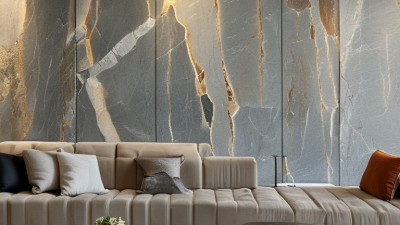
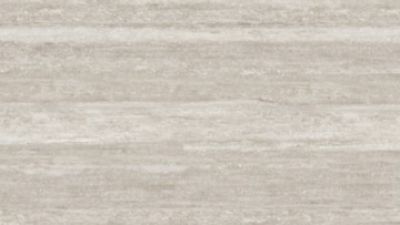
Pale grey matte flexible travertine brings a restrained, architectural character to contemporary interiors. Made with refined fine travertine powder, it features delicate, parallel horizontal veining and a low-saturation neutral grey tone. Its frosted matte surface softens reflected light, helping create calm visual layers in minimalist offices, hospitality spaces, showrooms, and chain retail environments. The horizontal grain can also make walls appear wider, supporting clean and balanced spatial compositions.

Material selection is increasingly connected with environmental performance and long-term operational value. According to the United Nations Environment Programme’s *2023 Global Status Report for Buildings and Construction*, buildings and construction accounted for approximately 37% of global energy- and process-related carbon emissions in 2022. This reinforces the importance of choosing durable finishes that can support renovation, efficient maintenance, and adaptable design strategies. Flexible stone cladding offers a lightweight alternative to conventional stone installation while preserving a natural mineral appearance.

An optimized flexible formula improves fold resistance, making the cladding suitable for small-radius curved walls, columns, counters, and other gently shaped surfaces. Its waterproof and anti-aging performance supports indoor commercial applications as well as exterior walls in mild climates. With careful substrate preparation and professional installation, pale grey matte travertine can deliver consistent visual continuity across multiple locations while maintaining an elegant, understated finish.

FAQS

: How should climate affect exterior cladding selection?

: Start with local weather, not catalog photos. Coastal air and driving rain can damage weak coatings within months. Freeze-thaw areas require water absorption and frost resistance data. Humid regions usually need ventilated cavities and clear drainage paths.

What testing information should suppliers provide?

Request test methods, laboratory credentials, and complete performance reports. Check dimensional stability, fire performance, water absorption, and frost resistance. Vague answers are warning signs. Written details matter.

Does building height change the cladding requirements?

Yes. Low-rise buildings may use drained and ventilated backing walls. High-rise projects need engineered supports, wind-load calculations, fire documents, and movement control. Panel movement must be designed.

What should be checked before renovating an existing building?

Inspect the substrate before ordering materials. Uneven masonry can create serious installation problems. A sample may look perfect, yet the wall may not. Measure tolerances carefully.

Which design details deserve attention besides color?

Compare texture under cloudy daylight, joint width, corners, trims, and replacement availability. Request a full-size mock-up. Small samples can hide visible differences. Confirm batch consistency and packaging protection.

What costs should be included in the delivered price?

Request a line-item quotation. Include materials, packaging, inland transport, export handling, freight, insurance, taxes, and destination charges. Port fees can change the final amount quickly. Corner trims are easy to underestimate.

How can cladding be protected during shipping?

Confirm the loading method, port, container capacity, lead time, and damage-replacement policy. Use moisture-resistant wrapping and sturdy pallets. Calculate cutting waste before ordering. Inspect the shipment before installation.

What affects installation and long-term maintenance costs?

Costs depend on the substrate, framing, insulation, access equipment, and local labor. Provide drawings for joints, openings, corners, and drainage. Check fastener compatibility and expansion gaps with a qualified installer. Inspect sealants, joints, coatings, and fixings annually. Wash gently. Repair small damage early. Exact color matching later is not guaranteed.

Conclusion

Choosing the right Exterior Cladding from China requires a balanced review of performance, appearance, quality, and total project value. Exterior cladding protects a building from weather, improves energy efficiency, and contributes to its architectural character. Buyers should compare materials such as metal, fiber cement, stone, ceramic, and composite panels according to the local climate, building type, fire and moisture requirements, insulation goals, and desired design style. Durability, color stability, ease of installation, and future maintenance should also be considered before making a decision.

A reliable purchasing process includes checking product specifications, testing reports, quality-control procedures, and relevant certifications. It is equally important to evaluate suppliers based on factory capability, production experience, customization services, communication, and consistency in delivery. In addition to the product price, buyers should calculate packaging, shipping, taxes, installation, replacement parts, and long-term maintenance costs. By assessing both technical performance and supplier reliability, project owners can select a practical, attractive, and cost-effective cladding solution.
Mia

Mia

Mia is a seasoned marketing professional with over a decade of extensive experience in the field, specializing in innovative and sustainable construction solutions. With a strong grasp of her company's unique patented technology, she excels at showcasing the lightweight, durable, and......
Previous 2026 Top Flexible Stone Supplier How to Choose the Best?