Leave Your Message
0%

Picking the best Flexible Stone Veneer from China? It takes more than just comparing online prices. Sure, the surface can look identical in photos. But on a humid wall, a curved column, or a sunlit façade, it might behave very differently. Product consistency really matters.

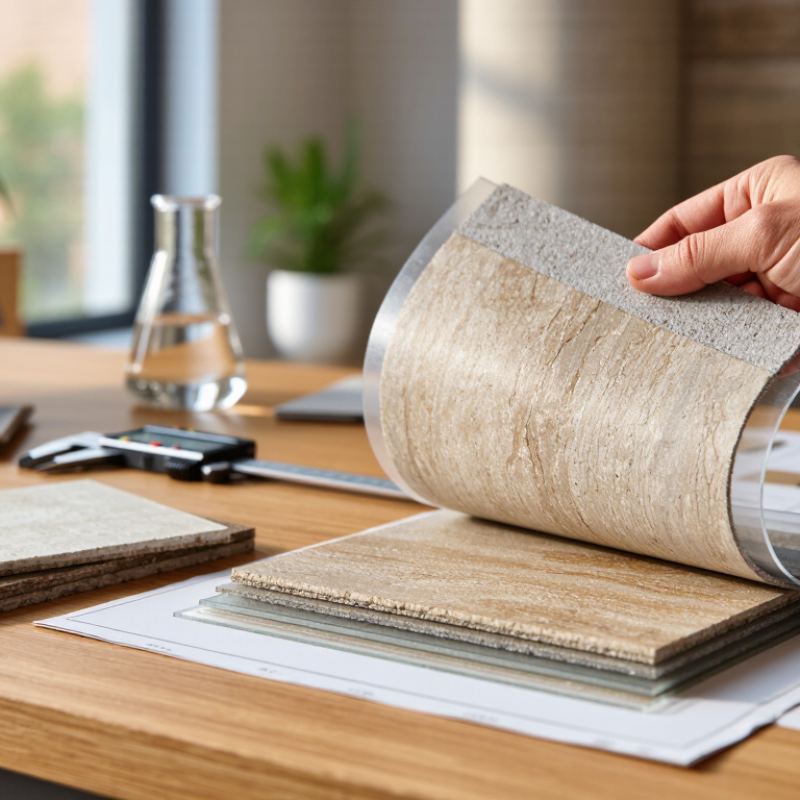
Liam Carter, a flexible-stone technical consultant at StoneFlex Materials, puts it this way: “A beautiful surface is not enough; the backing must survive the wall.” That practical warning is what shapes this guide. Buyers should look closely at the stone layer, resin system, fiberglass backing, panel thickness, and bonding strength. Ask for recent samples—not just catalog images. Touch the edges. Bend the panel slowly. Check for cracking, uneven texture, or loose particles.

Factory experience also deserves a close look. A reliable Chinese supplier should be able to explain where its raw stone comes from, how production is controlled, how panels are packaged, and what inspection records exist. When it matters, ask for test data on water absorption, adhesion, color stability, and freeze-thaw performance. Certifications help, yes—but they don’t replace your own judgment. Some documents can be outdated, and that’s easy to miss.

Now think about where it’s going to be installed. A flexible stone veneer for an interior feature wall may need different performance than one facing coastal wind and heavy rain. Confirm the recommended adhesive, substrate prep, joint treatment, and cleaning limits. Ask whether the supplier has done similar projects. Project photos are useful, but actual site references are stronger.

There’s no perfect panel, honestly. Even a reputable factory may deliver some variation between batches. A smart purchasing decision includes a written tolerance, pre-shipment inspection, and spare panels. This guide will help you compare suppliers with clear questions, realistic expectations, and fewer expensive surprises.
How to Choose the Best Flexible Stone Veneer from China?

What Is Flexible Stone Veneer and How Is It Made?

Flexible stone veneer is a thin stone layer designed to bend around gentle curves. It is not simply “stone wallpaper.” Manufacturers usually split slate or sandstone into sheets, then bond the surface to fiberglass, polyester, or a mineral backing. Controlled heat and pressure help the layers adhere. Some factories also use resin and stone powder, creating a composite product rather than natural stone veneer. That distinction matters.

A typical Flexible Stone Veneer Sheets panel may measure only 1–3 millimeters thick. Its low weight can reduce handling and transport demands. The International Energy Agency reported that buildings and construction represented about 34% of global energy demand in 2022. Lightweight finishes cannot solve that problem alone, but material efficiency still deserves attention. The Natural Stone Institute also emphasizes testing for absorption, durability, and installation suitability. Ask Chinese suppliers for batch records, thickness tolerance, water absorption results, and fire-test documentation.

Look closely at the back.

A reliable production line should inspect stone texture, reinforce weak areas, cure adhesives evenly, and trim edges without cracking. I would request samples from several batches, not one attractive panel. Color variation is natural, yet excessive resin marks may suggest poor process control. ASTM and ISO test methods can improve comparison, but no laboratory number replaces a wall mock-up. Curved surfaces, humid rooms, and exterior exposure reveal weaknesses quickly. The honest answer is imperfect: flexible veneer is lighter and easier to shape, but it still needs careful substrate preparation and realistic design expectations.

Which Materials and Surface Finishes Are Available from China?

How to Choose the Best Flexible Stone Veneer from China?

Chinese suppliers offer flexible stone veneer in several material categories. Natural slate provides layered color and a split texture, while sandstone creates warmer, softer tones. Marble and quartzite veneers can deliver sharper patterns, but their weight and price may increase. Some factories also produce mineral composite sheets using stone powder, resin, and fiberglass backing. These sheets are lighter and more uniform. However, they may feel less natural when viewed closely.

Surface finish changes both appearance and performance. Split-face surfaces show irregular ridges and work well on feature walls. Honed finishes feel smooth and show muted colors. Polished surfaces reflect more light, yet scratches can become easier to notice. Brushed or leathered finishes add subtle texture without deep grooves. Sandblasted options offer a dry, matte appearance. Some suppliers provide printed textures, but color depth can appear flat under strong lighting.

Ask for full-size samples, not only small chips. A two-meter wall may reveal repeating patterns. Check backing thickness, corner flexibility, water absorption, UV resistance, and fire-test documentation. Confirm the recommended adhesive and installation temperature. In one practical review, a veneer looked excellent indoors but faded near a sunny window. That result was not a complete failure, but it exposed a weak testing process. Request batch-matched samples and inspect them under daylight, warm lighting, and moisture. Suppliers with clear specifications and traceable quality records are safer choices.

How to Evaluate Quality, Durability, and Weather Resistance?

Choosing the best flexible stone veneer from China requires more than comparing photos and prices. Quality begins with the stone layer, backing, and adhesive system. Request a physical sample, then inspect its thickness, color consistency, edge bonding, and surface texture. Bend the sample gently. It should flex without cracking, flaking, or separating from the backing. Uneven thickness may create installation problems.

Weather resistance deserves closer testing. Ask for verified data on water absorption, UV exposure, freeze-thaw cycles, and bond strength. Independent laboratory reports are more reliable than unsupported supplier claims. Place a sample outdoors for several weeks, including rain and strong sunlight. Check for fading, curling, swelling, or loose mineral particles. This simple test cannot replace formal testing, but it can reveal obvious weaknesses.

Installation conditions also affect durability. A strong veneer may fail on a damp, dusty, or unstable wall. Confirm the recommended substrate, adhesive, joint treatment, and drainage details. I once focused too heavily on appearance and underestimated adhesive compatibility. That mistake taught me to test the complete wall system, not just the panel. Ask for batch samples and production records. Small color differences can become highly visible across a large facade. Pay attention to real evidence, even when it complicates the purchase.

How to Verify Chinese Suppliers, Certifications, and Production Capacity?

When sourcing Flexible Stone Veneer Panels from China, verify the factory, not only the catalogue. Request the registered business license, ownership details, factory address, and export history. Check the company through China’s official enterprise information database. The ISO Survey 2023 recorded 1,265,216 ISO 9001 certificates worldwide, with China representing roughly one-third. An ISO 9001 certificate supports process control, but it does not prove product quality. Confirm the certificate number, scope, issuing body, and expiry date.

Ask for current test reports covering water absorption, fire performance, bond strength, and freeze-thaw resistance. Match every report to the exact panel construction. Review sample labels, laboratory dates, and test methods. Generic reports create uncertainty. Require pre-shipment inspection records and retain sealed samples. I have found that small details, such as backing thickness and adhesive coverage, can change installation results.

Production capacity needs evidence. Request monthly output records, active production lines, curing-space photographs, raw-material batch logs, and recent delivery schedules. A live video audit is useful, but it is not perfect. An independent factory audit is stronger. Compare the stated capacity with the World Bank’s 2023 Logistics Performance Index, where China scored 3.7 out of 5. This helps assess delivery planning, not manufacturing quality. Allow time for rechecking. Suppliers may quote maximum capacity instead of normal capacity, and that difference can disrupt a project.

How to Choose the Best Flexible Stone Veneer from China? - How to Verify Chinese Suppliers, Certifications, and Production Capacity?

Use this checklist to compare suppliers objectively. Product specifications should always be confirmed against the current technical data sheet, test reports, samples, purchase contract, and destination-country requirements.

Evaluation Category Verification Dimension Evidence to Request Practical Benchmark or Acceptance Point Warning Signs
Supplier Legitimacy Business registration and export eligibility Business licence, registered address, legal representative details, export-related documentation, and consistent company information across quotations and contracts All legal details should match the contracting entity, bank account, invoice, product documents, and shipping documents. Different legal names, payment to an unrelated account, unverifiable address, or refusal to provide registration information
Factory Verification Actual manufacturing capability Live video audit, factory photographs with dates, production-line details, equipment list, warehouse area, and recent production records The supplier should clearly identify which processes are performed in-house, including stone slicing, backing, bonding, curing, trimming, inspection, and packing. Only a trading office is shown, production is described vaguely, or factory images cannot be linked to the supplier’s current address
Product Quality Dimensions and thickness consistency Technical data sheet, dimensional inspection report, approved sample, and batch inspection records The agreed thickness, panel size, flatness, edge quality, and allowable tolerances should be stated in writing before mass production. No defined tolerances, large variation between samples, warped panels, brittle edges, or inconsistent surface appearance
Product Quality Weight and handling performance Declared weight per square metre, sample weighing record, packaging specification, and installation instructions Weight should remain consistent with the approved technical data sheet and the intended wall, façade, furniture, or interior application. Actual weight differs materially from the quotation, packaging is insufficient, or the product is too heavy for the proposed substrate
Bonding System Backing and adhesive durability Backing-material description, adhesive type, curing process, storage conditions, peel or adhesion test results, and installation-compatible adhesive recommendations The supplier should provide a documented bonding system and define suitable substrates, temperature range, moisture conditions, and surface preparation. Strong chemical odour, delamination during bending, exposed adhesive, unclear curing process, or no substrate compatibility information
Performance Testing Water resistance and moisture behaviour Independent or laboratory test report, test method, sample identification, test date, and product version The test method must match the intended application. Water resistance should not be confused with complete waterproofing of the entire wall system. Only an unsupported “waterproof” claim is provided, the report lacks a test method, or the tested sample cannot be matched to the quoted product
Performance Testing Fire-performance classification Fire-test report or classification report issued by a competent laboratory, including thickness, backing, adhesive, and mounting method Fire performance must be evaluated for the complete installed assembly where required, not only for the stone surface. A generic fire certificate is supplied without product construction, mounting conditions, or applicable classification details
Performance Testing Freeze-thaw and weather resistance Freeze-thaw, aging, UV, or weathering test results when the product will be used outdoors or in severe climates Testing should reflect the destination climate and installation system. Outdoor suitability should be supported by documented test conditions. The product is marketed for exterior use without climate-related testing or without clear installation limitations
Certifications Quality-management certification Current ISO 9001 certificate, certification scope, certificate number, validity period, and certification-body verification link The certificate scope should cover the relevant manufacturing or processing activity, and the certificate should be valid on the order date. Expired certificate, scope unrelated to the product, unverifiable certificate number, or certificate issued only for a trading entity
Certifications Environmental-management and material compliance ISO 14001 where relevant, restricted-substance declarations, safety data for chemicals, and destination-market compliance documents Request REACH or RoHS-related documentation only when applicable to the product composition and destination market; verify the exact tested material. “Eco-friendly” claims without material declarations, test reports, product scope, or a traceable sample reference
Certification Verification Authenticity and traceability of reports Original PDF, laboratory name, accreditation information, report number, issue date, tested sample description, and verification contact The report should identify the manufacturer, product construction, test standard, laboratory, result, and date without unexplained omissions. Edited screenshots, missing pages, inconsistent product names, outdated reports, or documents using another product’s description
Production Capacity Monthly output and available capacity Declared monthly capacity in square metres, recent three-month production records, shift pattern, equipment count, and current order load Capacity should be stated for the exact product type, thickness, finish, and panel size rather than for the entire factory. Very large capacity claims with limited equipment, no production records, or inability to reserve capacity for the confirmed order
Production Capacity Lead time and production scheduling Sample lead time, mass-production lead time, holiday schedule, raw-material availability, and written production milestones A reliable supplier should separate sample approval, material preparation, production, inspection, packing, and dispatch dates. Unusually short lead time for a customised order, no production schedule, or repeated changes to the promised delivery date
Raw Materials Stone and backing-material consistency Stone source description, material composition, approved colour range, backing specifications, and batch-control procedure The supplier should explain how colour, texture, thickness, moisture, and backing adhesion are controlled between batches. No batch identification, uncontrolled colour variation, substituted materials without approval, or inconsistent backing colour and thickness
Quality Control Incoming, in-process, and final inspection Inspection checklist, sampling plan, defect standard, corrective-action records, and pre-shipment inspection procedure Inspection should cover appearance, dimensions, adhesion, packing, quantity, and product identification before shipment. Inspection is performed only after a complaint, no written defect standard, or no retained samples from production batches
Packaging and Logistics Protection during export transportation Carton or crate design, moisture protection, corner protection, pallet specification, loading photographs, and carton markings Packaging should protect flexible panels from bending, abrasion, moisture, impact, and excessive stacking during ocean or air transport. Loose packing, no moisture barrier, insufficient corner protection, unclear carton quantity, or no loading inspection record
Commercial Reliability Quotation and contract completeness Quotation, pro forma invoice, product specification, tolerance agreement, Incoterms, payment terms, warranty terms, and replacement policy The contract should identify the exact product, approved sample, quantity, unit, packaging, inspection rights, delivery date, and remedies for non-conformity. Only a brief price message is provided, specifications are verbal, or the supplier avoids written quality and replacement obligations
Order Validation Sample and pilot-order approval Pre-production sample, signed or digitally approved reference sample, pilot batch, and inspection record Approve the surface, colour, thickness, flexibility, backing, adhesion, packaging, and installation behaviour before placing a large order. Supplier requests mass production without sample approval or refuses to keep a sealed reference sample
Recommended Scoring Supplier comparison score Completed audit checklist with documentary evidence and independent inspection results Use a 100-point score: product quality 30, certifications and testing 20, factory and capacity 20, quality control 15, logistics 10, commercial reliability 5. Consider suppliers scoring 75 or higher only after resolving critical risks. A high score based only on price, marketing claims, or certificates without physical sample and factory verification

How to Compare Prices, Minimum Orders, Samples, and Shipping Terms?

When choosing Flexible Veneer from China, compare the full quotation, not only the square-meter price. Confirm the stone type, panel size, thickness, backing, surface finish, and color range. A cheaper panel may have thinner backing or more variation. Ask whether cutting, edge treatment, export packing, and documentation are included. Request a written price breakdown. Small details matter.

Minimum order quantities can differ by color and production batch. Ask if mixed colors are accepted and whether a trial order is possible. Request physical samples before approving bulk production. Check the sample under daylight and warm indoor light. Look closely at the corners, mesh backing, bonding, and surface texture. A sample may look excellent, yet production can vary. This is where I would remain cautious.

Tips: Compare at least three offers using the same specifications. Ask how sample fees are handled and whether they are refundable after an order. Confirm production time, inspection options, carton strength, pallet rules, and replacement procedures for damaged pieces. For shipping, compare FOB, CIF, and DDP terms carefully. Freight, insurance, destination charges, customs duties, and local delivery may be treated differently. Request the packed volume and gross weight, not estimates. A low quote can still become expensive. Recheck everything.

How to Select the Right Flexible Stone Veneer for Your Project?

Choosing the right Flexible Veneer Sheets starts with your project conditions, not appearance alone. Measure the wall, ceiling, or furniture surface carefully. Check whether the substrate is concrete, plywood, plasterboard, or metal. Each material needs suitable preparation and adhesive. For curved columns, thinner sheets usually bend more easily. For busy corridors, choose stronger surfaces with better scratch resistance.

Ask for physical samples before ordering from China. Inspect the texture under daylight and warm indoor lighting. Natural stone patterns may vary between batches. That variation can look attractive, but it may also disturb a carefully planned layout. Request technical data, installation guidance, moisture resistance information, and available test reports. A reliable supplier should explain tolerances clearly and answer practical questions. Do not rely on photographs alone. I have seen attractive samples look different after shipment, partly because lighting hides small color changes.

Tips: Compare at least three samples side by side. Confirm sheet size, thickness, weight, corner details, packaging, and replacement policy. Ask for a production sample before full manufacturing. Keep several extra sheets for future repairs. Consider fire requirements and local building rules before installation. A small sample test can reveal adhesive problems, uneven walls, or difficult cutting. It may feel slower, but it prevents expensive rework. Even experienced buyers sometimes overlook edge finishing. That detail matters.

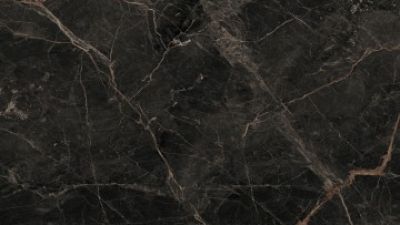
Dark Grey Gold Vein Rough Flexible Stone Tile: Insights from Grand View Research’s Global Stone Market Report

Dark Grey Gold Vein Rough Flexible Stone Tile reflects the growing global interest in natural-looking surfaces that combine visual character with practical performance. In the context of insights from Grand View Research’s Global Stone Market Report, materials that deliver distinctive aesthetics, lightweight installation, and flexible application are increasingly relevant to contemporary architectural design. Its deep dark grey base, dramatic golden-red mineral veins, and rough split texture create a bold surface with an industrial edge and a refined luxury presence.

Unlike conventional heavy stone panels, this ultra-thin flexible stone tile can be handled and installed more easily, making it suitable for creative renovation and complex surfaces. Its bendable structure supports applications on selected curved areas, while the A2 fireproof standard offers an added level of safety for demanding interior and architectural projects. Waterproof, anti-UV, and all-weather resistant properties also help maintain its appearance across changing environmental conditions.

The tile is well suited to high-end lobby walls, industrial-style feature walls, hospitality interiors, commercial building facades, and indoor or outdoor renovation of older buildings. The contrasting mineral veins provide a natural focal point, while the rugged surface adds depth and tactile appeal without the weight and installation burden associated with traditional stone.

FAQS

What is flexible stone veneer?

It is a thin stone layer bonded to fiberglass, polyester, or mineral backing. It bends around gentle curves.

Is flexible stone veneer made from natural stone?

Often, manufacturers split slate or sandstone into sheets. Some products use resin and stone powder instead.

How thick are flexible stone veneer sheets?

Typical panels are 1–3 millimeters thick. Their low weight simplifies handling and transport.

What surfaces can receive flexible stone veneer?

Common substrates include concrete, plywood, plasterboard, and metal. Each surface needs suitable preparation and adhesive.

How should buyers check product quality?

Request samples from several batches. Inspect the back, edges, texture, thickness, and resin marks.

Can flexible stone veneer cover curved surfaces?

Yes, thinner sheets usually bend more easily around curved columns and gentle contours. Sharp bends remain difficult.

What information should buyers request from suppliers?

Ask for batch records, thickness tolerance, water absorption results, fire documentation, installation guidance, and packaging details.

Why should buyers inspect samples under different lighting?

Stone colors may change between daylight and warm indoor light. Photographs can hide small differences.

Is flexible stone veneer suitable for humid rooms or outdoor areas?

It can work in suitable conditions, but testing matters. Humidity and exterior exposure may reveal weak adhesives or poor backing.

What installation problems should buyers expect?

Uneven walls, weak adhesive, difficult cutting, and unfinished edges can cause rework. A small mock-up helps, though it cannot predict everything.

Conclusion

Choosing the best flexible stone veneer from China requires a clear understanding of its composition, manufacturing process, and practical performance. This guide explains how natural stone layers are bonded to flexible backing materials, creating a lightweight solution for walls, ceilings, furniture, and curved surfaces. It also reviews available stone types, colors, textures, and surface finishes, helping buyers match products with their design goals. Key evaluation points include thickness consistency, adhesion, flexibility, scratch resistance, water absorption, UV stability, and performance in changing weather conditions.

The guide also outlines how to assess suppliers by checking factory experience, production capacity, quality-control procedures, certifications, samples, and customer service. Buyers will learn how to compare prices, minimum order quantities, packaging, lead times, and shipping terms instead of focusing only on the lowest quotation. By balancing appearance, durability, installation requirements, project environment, and total purchasing cost, buyers can select a reliable flexible stone veneer that meets both aesthetic expectations and long-term project needs.
Ethan

Ethan

Ethan is a seasoned marketing professional with over a decade of experience in the industry, specializing in innovative solutions for exterior renovations. He possesses extensive knowledge of the company's patented, lightweight, and durable flexible stone technology, which is designed to meet the......
Previous Top Rammed Earth Panel Suppliers for Global Buyers