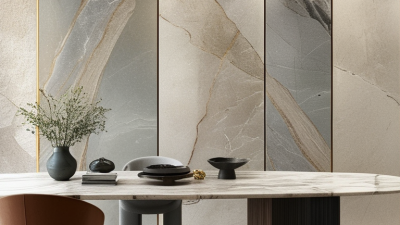
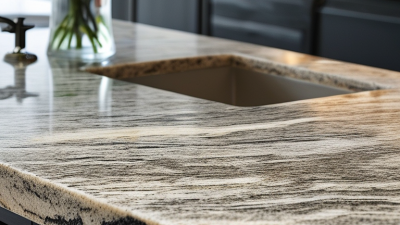
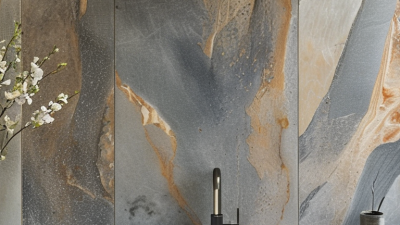
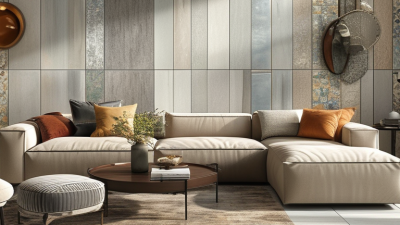
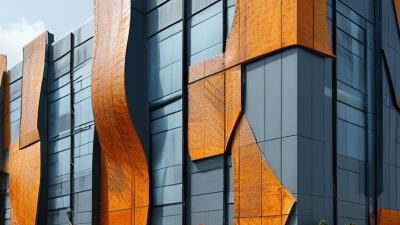
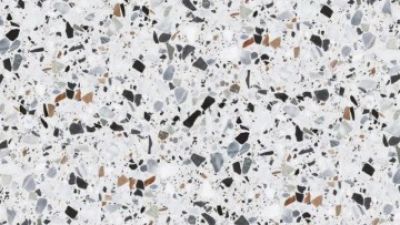
Picking the right sandstone for your project can really make a difference, not just in how it looks but also in how it performs. Natural variations in color, texture, and durability mean sandstone is a favorite among architects and builders. According to the Natural Stone Institute, more than 70% of industry pros prefer using stones like sandstone for landscaping and construction because they’re sturdy and have that timeless vibe.
That said, choosing the perfect sandstone isn't always a walk in the park. Things like where you’re building, the local climate, and what you're actually trying to achieve all come into play. For example, sandstone from one region can look and feel totally different from another. The Stone Council even pointed out that understanding these regional differences can save you from costly mistakes later on during construction.
Plus, as the industry shifts more toward sustainability, it’s worth thinking about where your stone is coming from and its environmental impact. Sure, folks want something affordable, but cheap stone sometimes means lower quality. It’s a smart move to check out your supplier’s reputation—trust me, it helps in the long run to avoid headaches down the line with your project.
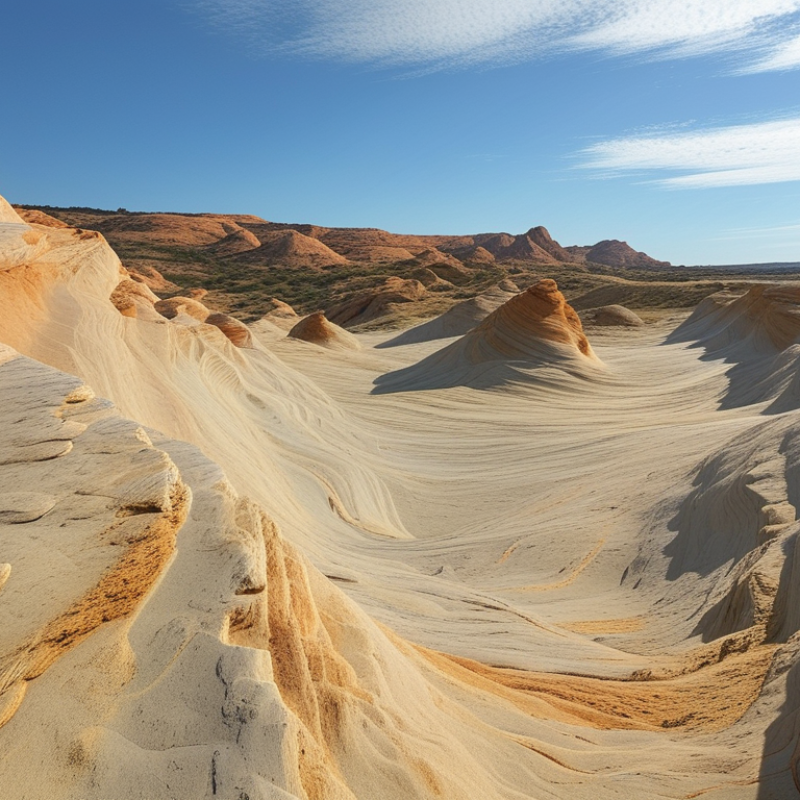
Understanding Sandstone: Composition and Varieties
Sandstone is a sedimentary rock composed mainly of silica, with varying amounts of clay, silt, and iron oxides. This composition defines its color and durability. The varieties of sandstone include quartz sandstone, arkose, and graywacke. Each type serves different construction purposes. Research shows that quartz sandstone is the most durable, making it suitable for high-traffic areas. It comprises over 90% quartz grains, providing remarkable strength.
As you consider the best Sandstone Stone for your projects, think about texture and color. Smooth, finely grained sandstones offer a clean look for modern applications. Coarse-grained varieties lend a rugged aesthetic to outdoor spaces. Data from the U.S. Geological Survey indicates a growing trend in using sandstone for landscaping due to its natural appearance and resilience against weathering. The right choice can enhance the project's visual appeal while ensuring longevity.
Not every sandstone is created equal. Local geological conditions significantly impact its quality. Some sandstones may have high porosity, which can lead to water retention issues. Proper research on the source and composition is crucial. After all, making an informed choice can save time and expenses in the long run.
How to Choose the Best Sandstone Stone for Your Projects?
| Sandstone Type |
Composition |
Color Variations |
Best Uses |
| Classic Sandstone |
Quartz and Feldspar |
Beige, Brown, Yellow |
Walkways, Driveways |
| Rippled Sandstone |
Quartz with Laminated Layers |
Gray, Tan, Red |
Building Facades, Flooring |
| Flagstone Sandstone |
Granule Rich |
Multi-Colored |
Patios, Pool Decks |
| Sandy Stone |
Primarily Sand Grains |
Light Yellow, White |
Landscaping, Retaining Walls |
Key Properties of Sandstone: Durability, Color, and Grain Size
When selecting sandstone for your projects, consider its durability. Sandstone is generally strong and weather-resistant. However, not all varieties hold up equally well. Some types are prone to wear and staining. Look for sandstone that has been tested for strength and longevity. This ensures it can endure outdoor elements.
Color is another vital factor in choosing sandstone. Different shades can inspire unique designs. Light sandstone can brighten spaces, while dark tones add depth. Keep in mind that color can vary even within a single type. It is wise to obtain samples to see the actual hues. This helps avoid any unpleasant surprises during installation.
Grain size is crucial too. Sandstones with fine grains tend to be smoother. They provide a refined look suitable for indoor applications. Coarser grains lend a rustic charm. However, they may trap dirt more easily. Selecting between Sandstone Tiles with varying grain sizes depends on your project’s needs. Balancing aesthetics and practicality requires careful thought.
Applications of Sandstone in Construction and Landscaping
Sandstone is a versatile material used widely in construction and landscaping. Its natural beauty and durability make it a top choice for various projects. In landscaping, sandstone can create stunning patios, walkways, and garden features. The earthy tones blend well with outdoor spaces, enhancing the overall aesthetic.
When choosing sandstone, consider its texture and color. Some varieties are polished, while others have a rough finish. These choices impact the final look of your project. Selecting the right Sandstone Veneer can make a significant difference. A lighter shade can brighten up your garden, while darker tones can provide a more dramatic effect.
Tips for using sandstone in your projects: Always source your sandstone from reputable suppliers to ensure quality. Take time to compare different textures and colors. Inspect samples in natural light to see how they work with your environment. Don't rush the decision; it’s crucial for long-lasting results. Remember, mismatched colors can detract from your design vision, leading to frustration. Keep your goals clear as you choose the best sandstone for your needs.
Evaluating Aesthetic Qualities: Color Matching and Texture
When choosing sandstone for your projects, aesthetic qualities are paramount. Color matching plays a critical role in the overall look and feel of your space. According to industry reports, varying hues of sandstone can impact mood and perceptions. Warm tones like reds and browns evoke coziness, while cooler tones, such as grey and blue, promote calmness and tranquility.
Texture is another vital consideration. Sandstone can have a range of finishes, from smooth to highly textured surfaces. A study by the Stone Foundation indicated that tactile experiences influence decision-making in architectural design. Projects with rough textures can create a rustic or organic feel, while sleek finishes can convey modern elegance. Balancing these qualities requires careful thought and reflection.
It’s worth noting that not all sandstone will behave as expected under different lighting conditions. This variance can lead to unexpected clashes in larger projects. Evaluating samples in various settings enhances the decision-making process. Therefore, understanding both color and texture is essential. Engaging with experienced professionals can provide insights that data alone may not reveal.
Environmental Impact and Sustainability of Sandstone Extraction
The extraction of sandstone can have significant environmental effects. Sandstone is often quarried in large blocks, which alters the landscape. This process can cause soil erosion and disrupt local ecosystems. Research shows that sandstone mining leads to habitat loss for various plant and animal species. Furthermore, studies indicate that the transportation of sandstone contributes to greenhouse gas emissions.
Sustainability is paramount in the sandstone industry. Implementing responsible extraction methods can help mitigate negative impacts. Some companies are adopting eco-friendly practices to reduce their carbon footprint. For example, using water recycling systems during extraction minimizes water consumption. This is crucial in areas where water scarcity is an issue. Additionally, sourcing sandstone locally can lessen the need for lengthy transportation.
Even with advancements, challenges remain. Not all extraction sites prioritize sustainability. It’s essential for consumers to choose reputable suppliers. By selecting products like Sandstone Cladding from sustainable sources, we can support environmentally friendly practices. Awareness of these issues can push the industry toward better standards.
Cost Analysis: Budgeting for Sandstone in Your Projects
When budgeting for sandstone, knowing the costs is key. The price can vary based on type, quality, and sourcing. Generally, local suppliers may offer lower prices due to reduced transportation costs. Imported sandstone may look appealing but often adds hidden costs. Always request detailed quotes from suppliers to avoid surprises.
Understanding your project's scale aids in budgeting. Small projects may afford higher-grade sandstone. In contrast, larger projects typically benefit from bulk purchasing options. Factor in additional expenses, like installation and maintenance. These can significantly impact your overall budget.
Tips for budgeting wisely include researching prices in advance. Explore online marketplaces, forums, or contractor recommendations for insights. Create a clear budget before you start to manage costs effectively. Be cautious of too-good-to-be-true deals; they often come with compromise, like quality or service. It's essential to reflect on your budget regularly, adjusting it as you learn more about your needs. Prioritize quality to ensure durability in your project. A small investment upfront can save money over time.
Choosing the Right Supplier: Quality Assurance and Certifications
Choosing the right supplier for sandstone is crucial. Quality assurance starts with understanding certifications. According to industry reports, 70% of project failures relate to material quality. Thus, reliable suppliers offer certifications that confirm their stones meet international standards. These may include ISO certifications or sustainability accreditations.
When evaluating suppliers, scrutinize their sourcing practices. Sustainable sourcing not only impacts the environment but also affects the stone's appearance and durability. Research indicates that 60% of clients prioritize eco-friendly products. Therefore, a supplier's commitment to sustainability can enhance your project's value and credibility.
Pay attention to customer reviews and previous project portfolios. Many suppliers display their best works, but diversifying your inquiries can reveal inconsistencies. Transparency in quality assurance speaks volumes. If a supplier hesitates to share test results or past projects, it may signal underlying issues. Evaluating these aspects ensures you make informed decisions for your sandstone needs.
Exploring the Growth of Sustainable Building Materials: Market Insights on Fine Color Mixed White Base Terrazzo Flexible Stone Wall Panels
The growing demand for sustainable building materials has paved the way for innovative solutions that not only meet aesthetic preferences but also adhere to eco-friendly principles. One notable product in this realm is the fine color mixed white base terrazzo flexible stone wall panel. Crafted from pure off-white cement and integrated with finely sized multi-color stone fragments, this versatile material features tones of black, grey, orange, and beige. Its design harmonizes seamlessly with modern architectural trends, making it suitable for various applications, from upscale villas to commercial spaces.
The ultra-thin and lightweight nature of this terrazzo veneer makes it an attractive option for interior renovations. Its eco-friendly composite material is coupled with A2 fireproof certification, ensuring safety without compromising on style. The panel’s fine uniform aggregate offers a delicate and soft texture, while also providing exceptional anti-fouling, anti-wear, and anti-light aging properties, making it an enduring choice for high-traffic areas such as luxurious dining experiences or stylish living rooms. Easy to cut and adhere, this innovative material transforms interior spaces into sophisticated environments that reflect both modern aesthetics and sustainable living.
FAQS
: Sandstone is widely used in construction and landscaping due to its natural beauty and durability.
Its earthy tones create stunning patios, walkways, and garden features, improving the overall aesthetic.
Pay attention to texture and color. Polished varieties offer a different look than rough finishes.
Color influences mood and perceptions. For example, warm tones evoke coziness, while cool tones promote calmness.
Textured surfaces create a rustic feel, while smooth finishes convey modern elegance, impacting project design.
Extraction can cause soil erosion and disrupt ecosystems, leading to habitat loss and increased greenhouse gas emissions.
Selecting products from reputable suppliers that prioritize eco-friendly practices is essential for sustainability.
Evaluating samples in natural light helps ensure color and texture match your design goals and environment.
Not all extraction sites implement sustainable practices, which can hinder environmental progress.
Awareness of environmental issues and supporting sustainable suppliers can push the sandstone industry toward improvement.
Conclusion
When selecting the best Sandstone Stone for your projects, it's essential to start with a thorough understanding of its composition and the various types available. Sandstone's key properties include its durability, a wide range of colors, and varying grain sizes, making it a versatile material for construction and landscaping applications. Evaluating aesthetic qualities such as color matching and texture can greatly influence the visual outcome of your project.
Additionally, it is crucial to consider the environmental impact and sustainability practices related to sandstone extraction. A careful cost analysis will help you budget appropriately for this material. Finally, choosing the right supplier ensures quality assurance and proper certifications, which are vital for making an informed purchase. By integrating these considerations, you can effectively select the most suitable Sandstone Stone for your specific needs.
 +86 18942445383

 Contact Email