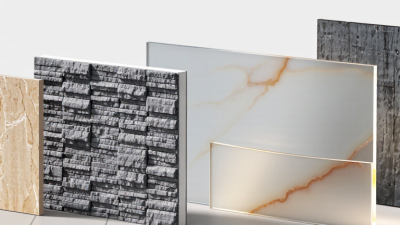
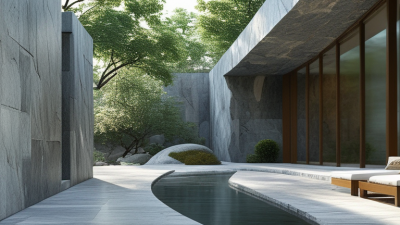
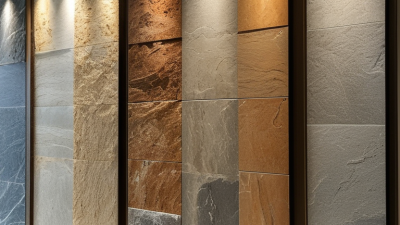
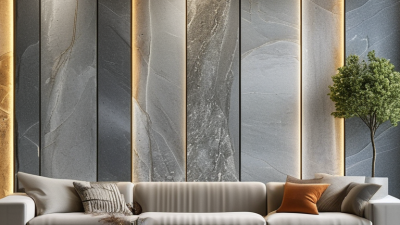
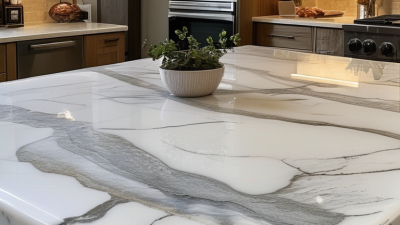
Choosing Soft Stone isn’t just about picking a pretty color. It’s really about balancing looks, durability, finish, and how you’ll actually use the space day to day. For example, a pale limestone might brighten up a dark, shady kitchen, but keep in mind that softer surfaces tend to show scratches and stains a lot easier than harder ones. Looks definitely matter, but so does how much upkeep it’ll need.
Architect Peter Zumthor, who’s known for his thoughtful use of materials, once said, “Materials react with one another and have their radiance, and so composition is born.” That’s a really useful way to think about choosing stone. Think about how it’ll respond to light, wood, metal, water, and of course, how you’ll touch it. A honed surface feels quiet and smooth under your hand, while a polished slab might reflect the light from your windows—but it can also make marks and fingerprints stand out more.
This guide is here to help you compare different types of stone, evaluate samples properly, and pick the right material for each space. It’ll also touch on all those practical details—porosity, thickness, edge profiles, sealing needs, and what your fabricator recommends. Make sure to ask for a full-size sample, not just a tiny chip in the showroom. Test it out under your actual lighting conditions and see how it looks in your space. And definitely ask what regular care really involves—because that matters.
Always test a sample first. Even then, keep in mind that lighting and how it’s installed can totally change how a stone looks and feels. It’s worth being honest about that. The absolute *best* choice isn’t necessarily the one with the most stunning photo—it’s the one whose character, performance, and maintenance requirements fit your project and the people living with it. Ultimately, go with what feels right for your space and lifestyle.
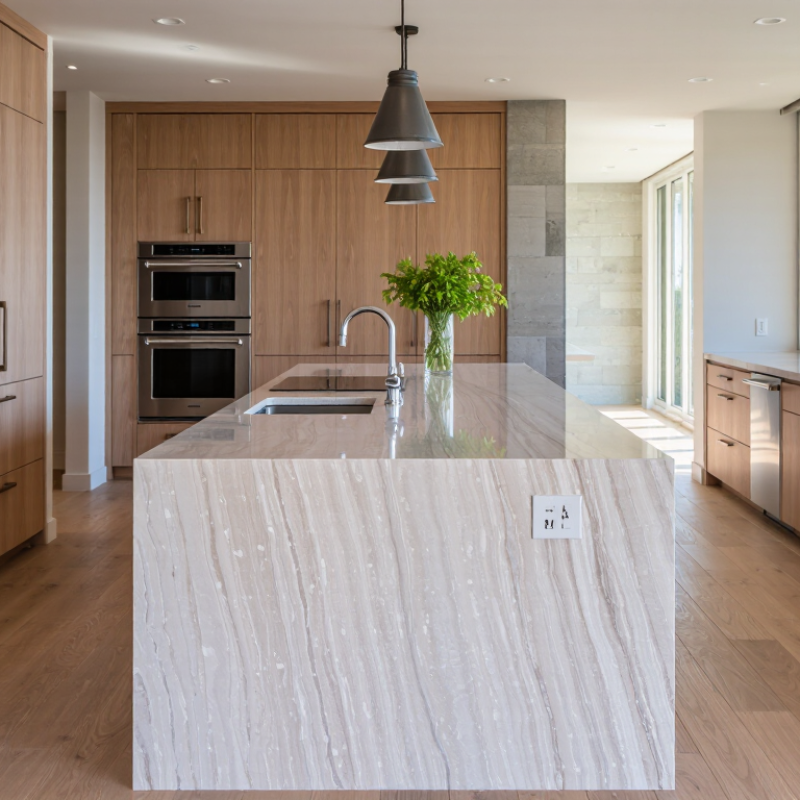
Understanding What Qualifies as Soft Stone
Soft stone is a practical trade description, not one formal geological category. It usually refers to stone that cuts, scratches, or absorbs moisture more readily than harder alternatives. Limestone, travertine, and some marble are common examples, but their performance varies with mineral content, finish, and porosity. A polished sample can hide tiny pores. A rough edge may reveal them.
The Mohs scale offers a useful starting point, not a complete buying test. USGS mineral references place talc at 1 and calcite at 3; calcite is a major component of many limestones and marbles. The scale ranks scratch resistance, but its numbers are not linear. A stone’s water absorption, abrasion resistance, and intended use matter too. For Soft Stone Wall Panels, check the supplier’s technical sheet and ask how the stone responds to sealing, cleaning, and indoor humidity. Still, labels can mislead.
Tips: Test a spare piece with a fingernail and a drop of water, then wipe it promptly. Look for darkening, etching, or a visible scratch. These simple checks are not laboratory tests, and they cannot replace product-specific performance data. For a shower wall or busy hallway, request absorption and abrasion figures before choosing. A small sample may not tell the whole story.
Defining Your Project’s Functional and Visual Requirements
Before comparing color and veining, decide what the stone must do each day. A bathroom vanity faces water, soap, cosmetics, and frequent wiping. A fireplace surround has different demands, including heat exposure and occasional bumps. Softer stones can scratch or stain more readily than dense, hard surfaces, but their exact behavior varies by stone and finish. Ask the supplier for care guidance specific to the material. Do not assume every pale stone needs the same treatment. That matters.
Then define the visual conditions around it. Note the room’s natural light, nearby wood tones, grout color, and the size of the installation. A small sample may look calm, while a full slab shows stronger veining or uneven color. View samples in the actual room, during morning and evening light. Check the surface from several angles. A honed finish can feel quiet and matte; a polished one may deepen color and reveal marks more clearly. Bring home a sample, if possible, and test ordinary cleaning habits on it. I have seen careful plans overlook one awkward detail: the stone’s pattern may not align neatly across a corner. Decide whether that variation feels natural or distracting before ordering.
How to Choose the Best Soft Stone for Your Project
Defining Your Project’s Functional and Visual Requirements
Mohs hardness indicates relative scratch resistance: higher values generally suit surfaces exposed to more wear, while softer stones may be better for decorative details. These are typical mineral-level values; natural stone can vary by composition and quarry. Consider sealing, maintenance, and appearance alongside hardness when selecting stone for your project.
Comparing Common Soft Stone Types
Soft stone is not one uniform category. Limestone usually has a calm, matte look, but acids can etch its surface, and grit may leave scratches. Travertine brings visible pores and warm bands; filled pieces look smoother, while unfilled ones collect dust more easily. Check a sample under the lighting planned for the room. Color can shift.
Soapstone feels dense and smooth, resists many household stains, and handles heat well, though its surface can mark with use. Sandstone offers a grainier texture and broad color variation, but absorption differs between deposits and finishes. A water-drop test on an offcut can reveal whether a stone darkens quickly; it cannot replace the supplier’s care guidance. For Stone Veneer Stone on a wall, weight, backing, and moisture exposure matter as much as appearance. A bathroom splash zone needs different planning from a dry fireplace surround. I would not choose by color alone. That shortcut is tempting, but imperfect. Compare samples with the actual grout, lighting, and nearby materials before committing.
How to Choose the Best Soft Stone for Your Project – Comparing Common Soft Stone Types
| Stone type |
Typical hardness (Mohs) |
Key characteristics |
Relative porosity |
Acid sensitivity |
Suitable applications |
Care considerations |
| Soapstone |
About 1–2 |
Talc-rich, smooth to the touch, and easy to shape. Color commonly ranges from gray and green to charcoal. |
Low; generally dense and non-porous |
Low; generally resistant to common household acids |
Countertops, sinks, fireplaces, laboratory surfaces, and sculpture |
Can scratch or dent more readily than harder stones. Scratches are often sanded or blended; some owners apply mineral oil to deepen the color. |
| Limestone |
About 3 |
Calcite-rich sedimentary stone, often with fossils, shells, or subtle layered patterns. |
Variable; may absorb liquids depending on density and finish |
High; acids can etch the surface |
Wall cladding, flooring in low-impact areas, fireplace surrounds, and architectural details |
Use a stone-appropriate sealer when suitable. Clean with a pH-neutral product and wipe spills promptly. |
| Travertine |
About 3–4 |
A form of limestone with characteristic pores and linear or cloud-like patterns; often sold filled or unfilled. |
Moderate to high, especially when unfilled |
High; acids can etch the calcite-rich surface |
Interior floors, wall tiles, bathroom surfaces, and patios when the product is suitable for exterior use |
Unfilled pores may collect dirt. Choose a finish and installation appropriate for the location, and avoid acidic cleaners. |
| Marble |
About 3–4 |
Metamorphosed carbonate stone with distinctive veining; its appearance and performance vary by type. |
Variable; some varieties absorb more than others |
High; acids can dull or etch the surface |
Vanity tops, wall panels, fireplace surrounds, decorative flooring, and sculpture |
Protect from acidic foods and cleaners. Polished finishes can show etching and scratches more clearly than honed finishes. |
| Alabaster |
About 2–2.5 |
Fine-grained gypsum stone, often translucent and valued for delicate carving and light diffusion. |
Moisture-sensitive; avoid prolonged exposure to water |
Can be damaged by acids |
Indoor sculpture, ornaments, decorative panels, and lampshades |
Best kept indoors and dry. Clean gently with a soft, dry cloth; it is generally unsuitable for wet areas or heavy-use surfaces. |
Note: Mohs hardness and performance vary with the specific stone, mineral composition, finish, and quarry source. Confirm the selected material’s technical data and suitability for its intended installation before purchase.
Evaluating Durability, Porosity, and Workability
Soft stone selection starts with test data, not color.
Ask for a current laboratory report for the actual quarry lot. ASTM C97/C97M measures water absorption and bulk density; ASTM C99/C99M tests modulus of rupture. These results help compare stones, but they are not universal pass-or-fail numbers. A porous stone may suit a sheltered interior, yet absorb moisture and stain on an exposed wall. Check the project’s freeze-thaw exposure and drainage details, too. A pale limestone sample can look uniform while its cut edge reveals tiny pits.
I would not trust appearance alone.
Workability matters just as much.
ASTM C880/C880M measures flexural strength, but it does not tell you how cleanly a specific slab will cut or carve. Request a small fabrication trial: inspect a sawn edge, a drilled hole, and a finished corner for chips or crumbling. I still find this easy to underestimate: one neat showroom sample can conceal inconsistent grain. For Dry Stone Wall Stone, compare block shape, bedding planes, and how easily pieces split into stable faces. Ask the supplier to document test methods, sample location, and test date. Then match the stone to the installer’s tools and the wall’s exposure—not just the sketch.
Checking Finish Options, Maintenance, and Availability
Soft stone can create a calm, tactile surface, but its finish changes how it looks and performs. Honed stone feels smooth and understated, while a brushed finish brings out texture and may disguise small marks. Polished surfaces reflect more light, yet scratches and etching can be easier to notice. View samples in the room’s actual lighting. A small tile rarely tells the whole story. Thin Stone may suit walls or selected features, but confirm its intended use, backing, and installation requirements with a qualified supplier or installer.
Tips: Ask for finish samples and a written care guide. Check how spills, cleaning products, and sealing affect the stone. Ask early about stock, lead times, and matching batches.
Maintenance needs vary by stone type and finish, so avoid assuming that every soft stone needs the same treatment. Test a suitable cleaner on an inconspicuous area first. Some marks may remain; that is worth considering before choosing a pale or highly polished finish. Availability matters too. Ask whether enough material is reserved for the full project, including replacements, and whether later batches may differ in tone or veining. I would not rely on a showroom sample alone. Lighting and natural variation can change the impression once the stone is installed.
Matching a Stone Type to Your Project Conditions
Soft stone is not one performance category. Limestone, travertine, and soapstone respond differently to water, abrasion, and weather. Start with the project conditions: a sheltered wall has different demands from a busy entry or an outdoor patio. Think about rain, freeze-thaw cycles, cleaning products, and grit carried underfoot. Small details matter.
ASTM C568/C568M classifies limestone by density and sets maximum water absorption by weight at 12% for low-density, 7.5% for medium-density, and 3% for high-density stone.
These figures help compare options, but they do not replace testing of the actual material. A sample can mislead. Ask for test results for the specific stone and finish, including absorption and flexural strength; for exterior use, confirm suitability for the local climate. On floors, compare wear resistance and surface texture, since a polished sample may become slippery when wet. For showers or splash zones, consider a denser stone and confirm sealing and maintenance requirements. I would also inspect a larger mock-up under real lighting. Color variation can be lovely, but it may complicate repairs.
Conclusion
Choosing the best soft stone begins with understanding how the term relates to a stone’s ability to be cut, shaped, or scratched more easily than harder materials. Before comparing options, define how the stone will be used and what appearance you want, including its color, texture, and finish. Common soft stone types can differ considerably in character, so compare them according to the needs of your specific project rather than appearance alone.
Consider durability, porosity, and workability to determine whether a stone can handle the expected use and conditions. Also review available finishes, routine maintenance, and local availability. A soft stone that looks appealing may require more care or protection, while another may be easier to shape or maintain. By weighing these practical factors alongside your visual preferences, you can choose a stone that suits both the setting and the project’s long-term requirements.
 +86 18942445383

 Contact Email