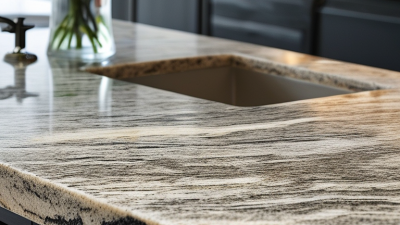
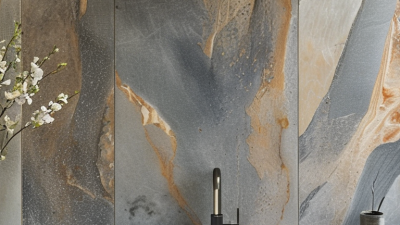
Picking out the right stone veneer for your project can actually feel kinda overwhelming. There's just so many options out there! Did you know that, according to the North American Stone Industry report, sales of stone veneer hit a whopping $1.8 billion in 2021? That really shows how popular and in-demand good quality materials are these days. When you’re choosing, it’s a smart idea to think about both how it looks and how it performs in real life.
Stone veneer is super versatile, but it’s also different when it comes to durability and how much upkeep they need. Natural stone veneers, for example, tend to last longer and hold up better than the manufactured kinds. But, here’s the catch — they’re usually heavier and can be more expensive too. I read from the Home Improvement Research Institute that many homeowners tend to pick stone veneers based on how they look, not so much on how they work or hold up. This sometimes leads to regrets after the installation is done, or even later on.
Getting a good handle on what each type of stone veneer can do for your project is pretty important. Every type has its own pros and cons. For instance, some are great insulators, but others might need special installation tricks. Messing up these details can end up costing more than you thought. So, taking the time to really evaluate what your project needs goes a long way in avoiding headaches down the road and making sure you’re happy with the results in the long run.
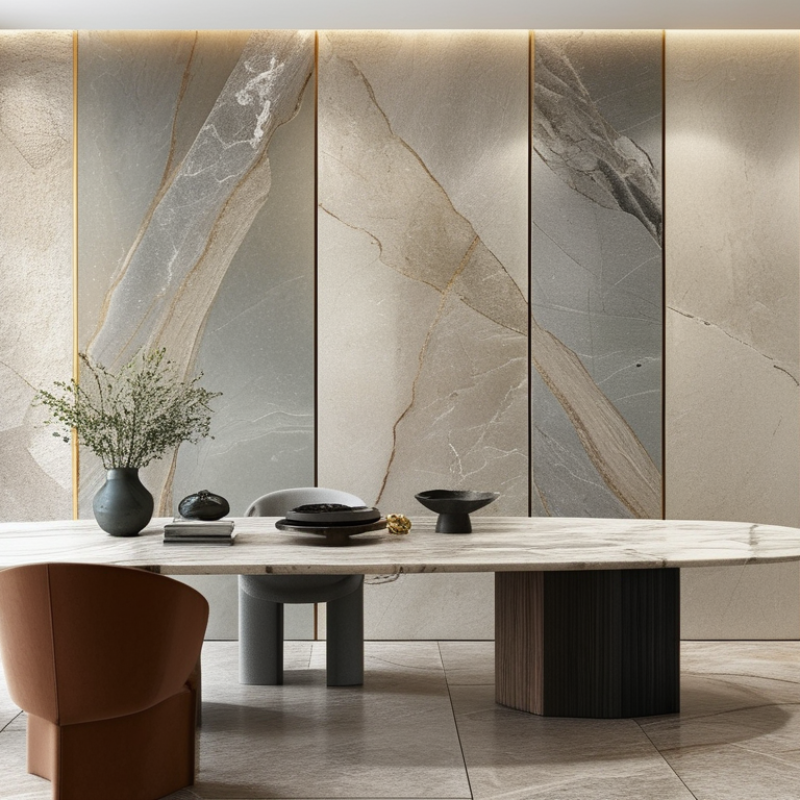
Understanding Stone Veneers: Definition and Types
When selecting stone veneers for construction projects, understanding their types is crucial. Stone veneers are thin layers of natural stone applied to surfaces to enhance aesthetics. They come in various forms, including natural, manufactured, and thin-cut stone veneers. Each type possesses unique characteristics, making them suitable for different applications.
Natural stone veneers are cut directly from quarries. They are durable but can be heavy. According to the Natural Stone Institute, these veneers typically weigh 15-30 pounds per square foot. That can complicate installation and increase foundation requirements. On the other hand, manufactured stone veneers are lighter and often more affordable. Their weight averages around 5-10 pounds per square foot, reducing structural strain. The choice between these options requires careful consideration of both aesthetic goals and practical implications.
Thin-cut veneers offer a compromise, providing the beauty of natural stone while being lighter and easier to install. A report by the National Association of Home Builders indicates that thin-cut stones are gaining popularity due to their versatility and cost-effectiveness. However, be cautious; some may not have the same weather resistance as heavier options. This difference could affect long-term performance in certain climates. Understanding these nuances is vital in making an informed decision.
Evaluating the Project: Assessing Your Needs and Objectives
When evaluating your project needs, pinpoint the primary objectives. Identify whether the focus is on aesthetics, durability, or budget. Different stone veneers excel in different areas. A high-end veneer may elevate your home’s appearance but can strain your finances. Consider the long-term implications of your choice. Choose what meets your aspirations and practical requirements.
Next, assess the environment where the veneer will be applied. Is it a high-traffic area? Will it be exposed to harsh weather? Some materials perform better in specific conditions. For instance, natural stone withstands elements well but may require maintenance. Meanwhile, manufactured options could be less durable but are often lighter and easier to install.
You might find yourself stuck, weighing options and features. Reflections during this phase can lead to clarity. Gathering samples can also help visualize how each veneer interacts with light and color in your space. Professional consultations may reveal insights you hadn’t considered. Don't rush this foundational stage; it sets the tone for your project’s success.
How to Choose the Right Stone Veneer for Your Project? - Evaluating the Project: Assessing Your Needs and Objectives
| Dimension |
Description |
Example Materials |
Application Areas |
| Thickness |
Refers to how thick the veneer is, affecting the installation process. |
1 inch, ¾ inch |
Exterior walls, fireplaces |
| Material Type |
The composition of the stone veneer, which influences durability and appearance. |
Natural stone, manufactured stone |
Commercial buildings, residential homes |
| Finish |
Surface treatment showcasing various textures and colors. |
Split face, honed, polished |
Accent walls, landscaping |
| Color |
Color options ranging from neutral to vibrant tones. |
Grey, beige, red, multi-color |
Home interiors, outdoor features |
| Cost |
Budget considerations based on material and installation. |
$6 to $12 per square foot |
DIY projects, professional installations |
Choosing the Right Material: Natural vs. Manufactured Stone
When choosing between natural and manufactured stone for your project, consider your overall vision. Natural stone offers unique textures and colors. Each piece is different, providing a sense of authenticity. However, it can be heavy and expensive. Think about the installation challenges with a Stone Veneer Wall made from natural materials.
Manufactured stone provides a range of styles and is often easier to work with. It’s lighter than natural stone and can mimic its appearance closely. This option is also usually more affordable. Yet, some may suggest that it lacks the character and depth found in natural stone. It’s essential to weigh these aspects carefully.
Consider your local climate, too. Natural stone may perform better in extreme weather. But manufactured stone can be more durable against wear. Analyze your project’s needs to find the best fit. Whether you choose natural or manufactured, each material has its pros and cons. Reflect on what matters most to you.
Stone Veneer Materials Comparison
This chart compares the popularity of natural stone versus manufactured stone veneers based on the percentage of projects utilizing each material. Natural stone remains the preferred choice in 60% of projects, while manufactured stone is utilized in 40% of cases.
Color and Texture: Finding the Perfect Aesthetic Fit
Choosing the right stone veneer can greatly influence the look of your space. Color and texture play crucial roles in achieving the desired aesthetic. A perfect match can enhance both indoor and outdoor environments. For instance, a warm earthy tone can create a very inviting atmosphere. Meanwhile, cool colors might evoke calmness and tranquility.
When selecting a Thin Veneer, consider the texture. Smooth finishes provide a modern, sleek appearance. On the other hand, rough textures can add character and depth. Mixing different textures can create visual interest. Keep in mind the surrounding elements. They need to complement your choice. It can be easy to overlook how different finishes interact with light.
Not every choice may work as intended. Some combinations may clash rather than harmonize. It’s important to test samples in various lighting conditions. Observing how the stone appears throughout the day can reveal surprises. Sometimes a stone that looks stunning in the showroom may not feel right in your home. Taking the time to refine your choices is worth it for lasting satisfaction.
Installation Considerations: Methods and Techniques
When considering stone veneer installation, selecting the right method is crucial.
Different techniques are applicable based on the substrate and the project's aesthetic goals. For instance, adhering to wall surfaces may require thin-set mortar or adhesive solutions. Each method has its pros and cons. Some installers prefer mechanical fasteners for added security, especially in high-wind areas. It's essential to evaluate the environment where the veneer will be applied.
Attention to detail during installation can affect durability and appearance. Properly preparing the surface is vital. The substrate must be clean and dry before application. This preparation can help prevent peeling or lifting over time. Misalignment during installation often leads to costly repairs. Therefore, measuring accurately is critical. Using a level and plumb lines can ensure each stone fits well.
One common oversight is not considering drainage. Without an appropriate drainage plane, moisture can build up behind the veneer. This can result in mold and damage. Reflecting on your installation method early in the project can save future headaches. Each choice impacts the overall outcome, so approach stone veneer with care.
Budgeting for Stone Veneer: Costs and Financial Planning
When budgeting for stone veneer, understanding costs is essential. Stone veneer can vary significantly in price depending on the type, like Slate Veneer, and installation complexity. Typically, expect a range of $7 to $15 per square foot. This amount often includes the veneer itself and may also cover labor costs. However, it's crucial to get multiple quotes. This can help you compare rates and avoid overspending.
Financial planning must consider all aspects. Don’t forget the potential for extra expenses. For instance, if your project requires additional framing or special adhesives, costs can rapidly increase. It's wise to allocate a buffer of at least 10-15% of your total budget. This cushion can absorb unexpected expenditures. Also, remember to factor in long-term maintenance costs associated with the chosen stone veneer.
Choosing Slate Veneer can be a stylish option, but weigh the long-term financial implications. Think about your overall budget and how often you'll encounter potential repairs and upkeep. Reflecting on these factors can lead to a more informed decision. Always assess your financial situation realistically before committing to your stone veneer project. Each decision impacts your budget profoundly.
Maintenance and Durability: Long-term Considerations
When considering stone veneer options, maintenance and durability are key factors. Many homeowners prefer
Granite Veneer
due to its strength and timeless appearance. Granite is known for resisting weathering. It withstands harsh environments better than many alternatives.
However, not all granite veneers are created equal. Some can stain easily if not sealed properly.
A well-maintained granite veneer can last decades. Regular cleaning helps prevent dirt buildup. Keeping it sealed protects against moisture and stains.
However, sealing can be a tedious task. It requires reapplication every few years, depending on the exposure. Ignoring this upkeep can lead to costly repairs in the long run.
Moreover, consider the installation process. Ensuring proper installation limits long-term concerns about durability. Poorly installed veneer can crack or detach over time.
It is essential to hire experienced professionals who understand the nuances of granite veneer. Investing in the right expertise pays off in durability and aesthetic appeal.
Remember, a stone's beauty often reflects how well it is cared for.
FAQS
: Stone veneers are thin layers of natural stone used for aesthetic enhancement in construction.
Common types are natural, manufactured, and thin-cut stone veneers. Each has unique characteristics.
Natural stone offers unique textures and durability but can be heavy and more costly.
Manufactured stone is lighter and often more affordable. It can closely mimic natural stone's appearance.
Thin-cut veneers combine beauty and lightness, but some may lack weather resistance compared to heavier options.
Costs typically range from $7 to $15 per square foot, including potential labor.
Comparing quotes helps avoid overspending and ensures you find competitive rates for your project.
Account for additional framing, special adhesives, and allocate a buffer for unexpected costs.
Natural stone performs better in extreme weather, while manufactured stone may endure wear more effectively.
Consider maintenance costs and potential repairs when choosing stone veneers to ensure a smart financial decision.
Conclusion
Choosing the right stone veneer stone for your project involves a comprehensive understanding of various factors. First, it is essential to grasp the definition and different types of stone veneers available, as this knowledge lays the foundation for your selection. Evaluating your project's specific needs and objectives will guide your decision-making process. Consider whether natural or manufactured stone aligns better with your goals, as each offers distinct advantages.
Additionally, identifying the right color and texture is crucial for achieving the desired aesthetic. Installation methods and techniques should be carefully planned to ensure durability and effectiveness. Budgeting is another important aspect, as costs can vary significantly based on material and installation choices. Lastly, long-term maintenance and durability should be considered to ensure your investment stands the test of time. Overall, thorough planning and consideration of these elements will lead to the successful selection of the appropriate stone veneer stone for your project.
 +86 18942445383

 Contact Email