Leave Your Message
0%

Okay, so Stone Veneer Stone is basically a thin layer of stone that gives you the look of a solid stone wall—without needing full-depth blocks. It can come from real quarried stone, or it might be made from cement-based materials that just look like stone. One thing to keep in mind: the term can get a little confusing, because not every supplier uses it the exact same way. Before you dive into comparing options, don't forget to check the product description, dimensions, and installation guidance. Honestly, those details can make or break your decision.

Okay, so natural stone veneer—it's literally cut from stuff like limestone, slate, granite, or quartzite. And here's the thing: no two pieces are exactly alike. You get these subtle color shifts, unique grain patterns, and different surface textures that just can't be replicated. On the flip side, manufactured stone veneer is basically molded and colored to mimic the real deal, but it tends to be more uniform in size and a whole lot lighter. Now, here's the kicker: neither one is perfect for every job. You've got to think about moisture exposure, what kind of wall you're working with, weight limits, and honestly, the look you're going for. All of that matters.

You know how a sample can look totally different by a window than under warm indoor lights? It’s one of those small details that makes a big difference. In this guide, we’ll break down the main types of stone veneer and what sets them apart—appearance, typical uses, and a few practical things to keep in mind when choosing. We’ll also touch on installation, because even the best veneer won’t look convincing if the setup isn’t right. Look, product specs and advice from installers? They're a solid starting point, for sure. But honestly, every building's a bit different. So taking the time to compare properly helps—you'll know what to expect, and it also makes you pause and wonder if that ultra-realistic option is really the best fit for your space.
What Is Stone Veneer Stone and What Types Are Available?

What Is Stone Veneer Stone?

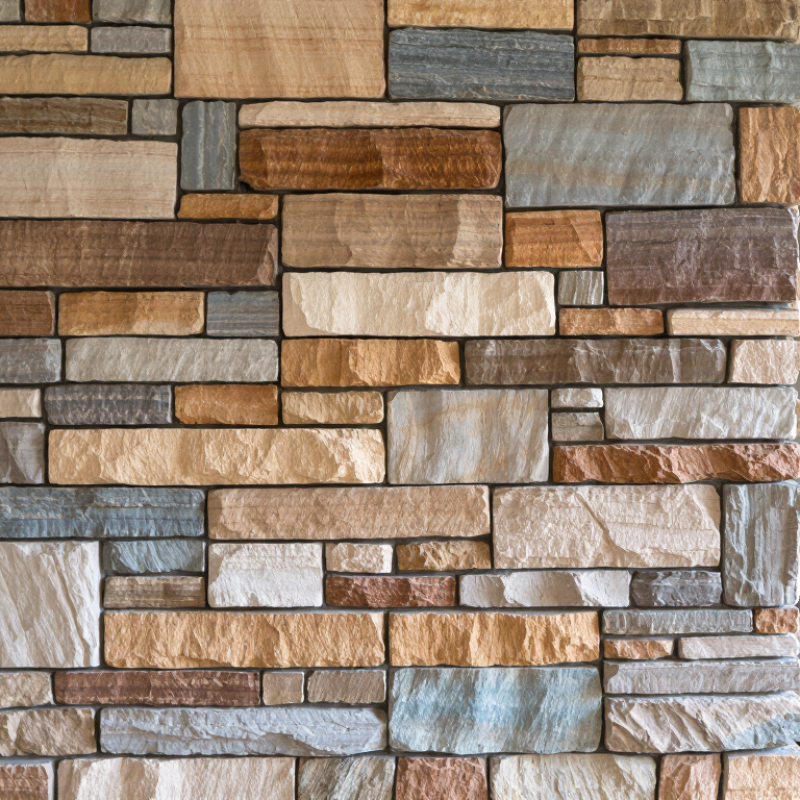
Stone Veneer is a thin facing material made to resemble full-thickness stone. It may be cut from natural stone or cast from cement-based mixtures and pigments. The facing is usually much lighter and thinner than a solid stone wall, so it can suit façades, fireplaces, and interior feature walls. It is not usually structural. The wall or frame behind it must carry the load.

Natural veneer shows the variation of quarried stone: uneven edges, mineral flecks, and changing shades across pieces. Manufactured veneer is molded to create particular shapes and textures, though color and surface can still vary. Both types need a compatible, stable backing and careful installation. Mortar joints, drainage details, and moisture protection matter, especially outdoors. Small gaps can become trouble later. Check the product’s installation guidance and local building requirements before work begins. The term can be confusing, since “stone veneer” describes a facing, not one single material. That distinction is worth keeping in mind when comparing samples or planning a wall.

How Is Stone Veneer Made?

Stone veneer is made in two main ways. Natural veneer begins at a quarry, where workers select stone, saw it into thin sheets, then trim or split the faces. The cuts reveal different textures: a smooth slate edge feels unlike a rough, chipped ledgestone. Pieces are sorted by thickness and color before packing. Some variation is expected.

Manufactured veneer is cast from cement, lightweight aggregates, pigments, and water. A mold taken from real stone gives each piece its surface, while hand finishing can sharpen edges or soften repetition. After casting, units cure and undergo checks for dimensions and performance. ASTM C1670/C1670M sets specifications and test methods for manufactured stone masonry veneer. The USGS Mineral Commodity Summaries 2024 estimated U.S. crushed-stone output at about 1.5 billion metric tons in 2023; that figure describes the wider aggregate supply, not veneer production specifically. That distinction matters. A Stone Veneer Wall may look uniform in a catalog, yet pieces can differ in depth, shade, and fit. Mock up a small area before installation, and inspect the back surface and mortar compatibility. It is easy to underestimate how much those details affect the finished appearance.

What Materials Are Used in Stone Veneer?

Stone veneer can be made from quarried natural stone or manufactured masonry. Natural options include slate, limestone, granite, quartzite, and sandstone. Each has distinct grain, color variation, and water absorption, so sample pieces should be checked in the actual light where they will be installed. Some stones cleave into thin layers; others need careful cutting. The difference shows.

The U.S. Geological Survey’s Mineral Commodity Summaries 2024 estimated U.S. dimension-stone production at about 1.4 million metric tons in 2023. That figure covers dimension stone broadly, not veneer alone, but it shows the scale of quarried material behind the category.

Manufactured veneer typically combines Portland cement, lightweight aggregates, mineral pigments, and molded textures. Its color and shape can be more consistent, though batches may still vary. ASTM C1670/C1670M sets specifications for manufactured stone masonry units, offering a useful reference when comparing product documentation.

Material affects weight, handling, and installation details. A thin natural stone still needs appropriate support and a compatible mortar system; “thin” does not mean weightless. Manufactured units often have a shaped backing, while natural pieces can have irregular backs that need adjustment. Ask for technical sheets and confirm the listed material, dimensions, and absorption data. Appearance alone can mislead. I would also compare several pieces, not just one showroom sample.

What Are the Main Types of Stone Veneer?

Stone veneer is a thin facing layer, not a full-thickness wall stone. Its main types are natural stone and manufactured stone. Natural veneer is cut from quarried rock, including slate, granite, limestone, sandstone, and marble. The U.S. Geological Survey’s 2024 Mineral Commodity Summaries tracks these as dimension-stone categories. Each has a distinct look and performance profile: slate splits into crisp layers, while limestone often shows softer, fossil-like textures. No two pieces are quite alike.

Manufactured veneer is typically a cement-based product molded and colored to resemble natural stone. It can offer more uniform sizes and lighter pieces, which may ease handling, but color and texture vary by product. Brick Stone Veneer is another visual option, often chosen for its familiar running-bond pattern. “Thin veneer” describes a format, not a separate stone type; both natural and manufactured products can be made thin. That distinction is easy to miss.

Tips: Ask for a sample and view it outdoors. Check the installation instructions, required backing, and moisture details before buying. A small sample may not show the full color range, so inspect several pieces together.

What Is Stone Veneer Stone and What Types Are Available? — What Are the Main Types of Stone Veneer?
Type What It Is Made Of Common Appearance or Forms Key Characteristics Typical Uses and Considerations
Natural thin stone veneer Genuine stone cut into relatively thin pieces, often with shaped edges or backing surfaces. Irregular ledgestone, ashlar, fieldstone, split-face, and other natural patterns. Each piece has natural variation in color, texture, and grain. It is generally lighter than full-bed stone, though weight varies by stone and thickness. Used on interior or exterior walls. The wall assembly, substrate, water management, and installation method must suit the product and local building requirements.
Manufactured stone veneer Typically a cement-based mixture with mineral aggregates and pigments, molded to resemble stone. Cast pieces in styles such as ledgestone, rubble, fieldstone, and ashlar. Pieces are produced to a selected color and shape range, but variation is still designed into the surface and assortment. It is often lighter than full-bed natural stone. Commonly installed as a thin veneer on walls. Follow the product’s installation instructions, including requirements for drainage, flashing, mortar, and the supporting wall.
Full-bed natural stone veneer Natural stone units that retain much of the depth of conventional masonry stonework. Thicker stone pieces laid in courses or an irregular pattern, often with a pronounced, deep-set appearance. Heavier and deeper than thin veneer. It may require a suitable foundation ledge or other engineered support, depending on the building design. Used where the wall can accommodate its depth and load. Confirm support, anchoring, and code requirements with a qualified building professional.
Limestone veneer Natural sedimentary rock composed mainly of calcium carbonate. Often pale beige, cream, or gray, with a range of textures and fossils depending on the stone. Usually has a relatively soft, understated appearance. Some varieties can be sensitive to acidic cleaners and acidic exposure. Used for both traditional and contemporary facades and interior features. Select a grade and finish suitable for the exposure and maintenance needs.
Granite veneer Natural, coarse-grained igneous rock containing minerals such as quartz and feldspar. Speckled or crystalline patterns in a wide range of colors; finishes can be polished, honed, or textured. Generally hard and durable. The visual pattern and color vary by source and cut. Suitable for many interior and exterior applications when properly detailed and installed. Its density can affect handling and support requirements.
Slate veneer Natural fine-grained metamorphic rock that commonly splits into thin layers. Layered or cleft surfaces, commonly in gray, charcoal, green, purple, or rust tones. Its cleft texture creates a layered look; appearance and performance vary with the stone’s source and quality. Used as a wall finish indoors and outdoors. Choose material rated for the intended exposure and install it with an appropriate veneer system.
Quartzite veneer Natural metamorphic rock formed mainly from recrystallized quartz-rich sandstone. Often has a crystalline or layered appearance, with colors ranging from light neutrals to stronger hues. Typically hard, but the exact texture, durability, and workability depend on the particular stone. Used for accent walls and exterior cladding. Confirm that the stone and installation method are appropriate for the location and climate.
Sandstone veneer Natural sedimentary rock made primarily of sand-sized mineral grains cemented together. Visible grain and layered patterns, commonly in tan, buff, red, or brown shades. Properties such as porosity and weather resistance vary considerably among sandstone types. Before exterior use, check the stone’s suitability for the local climate, moisture exposure, and freeze-thaw conditions.
Note: “Stone veneer” describes a facing applied to a supporting wall rather than a full stone wall. Natural stone types describe the material, while thin and full-bed describe veneer formats; these classifications can overlap.

How Do Stone Veneer Styles and Formats Differ?

Stone veneer styles describe the visible face; formats describe how pieces arrive and fit together. Split-face stone has a rough, shadowed surface, while sawn finishes look flatter and more precise. Slate Stone Veneer often shows layered edges and natural color shifts. Those variations add character, but they can make matching replacement pieces difficult.

Formats include individual loose pieces, mesh-backed panels, and larger modular units. Loose pieces allow more control around corners, though installation takes longer. Panels speed coverage but may reveal repeating patterns if layouts are not staggered. The 2021 International Residential Code defines adhered masonry veneer by a weight limit of 15 pounds per square foot, a useful threshold when comparing lightweight veneer systems. Check the actual product weight and wall assembly; the limit does not replace project-specific structural review.

The U.S. Geological Survey’s Mineral Commodity Summaries 2024 tracks dimension stone as a distinct mineral-production category, but it does not classify veneer by finish or panel format. That distinction matters: a market statistic cannot tell you whether a particular wall will look balanced. View samples dry and wet, then compare them in the intended light. A small sample can mislead. Ask for corner pieces too, since edge depth and joint width often change the finished appearance.

Stone Veneer Types: Typical Thickness by Format

Stone veneer is available in full-bed natural stone, thin natural stone, and manufactured formats. Thickness ranges are typical estimates; actual dimensions vary by stone and product.

Where Is Stone Veneer Commonly Used?

What Is Stone Veneer Stone and What Types Are Available?

Where Is Stone Veneer Commonly Used?

Stone veneer is a thin stone facing used to create the look of masonry without building a full-thickness stone wall. It may be cut from natural stone or made from cement-based materials. Both types appear on exterior walls, entryways, and garden features. On a house, veneer can frame a front door or add texture beneath a porch roof. The texture is noticeable up close.

Indoors, stone veneer is often used on fireplace surrounds, kitchen backsplashes, and accent walls. A fireplace wall can become a focal point, while a small backsplash adds texture without covering the whole kitchen. It also appears in restaurants, offices, and reception areas. One detail is easy to overlook: rough surfaces collect dust, so placement matters in busy rooms. Not every wall needs stone.

Tips: Match the veneer to the setting. For exterior use, check that the product and wall assembly are suitable for local weather and moisture exposure. Inside, consider cleaning access and nearby heat sources. Ask a qualified installer to assess the wall, flashing, and support before work begins. A sample viewed in the room’s actual light can help; color sometimes shifts more than expected.

A Fresh Look at Walls with Light Gray Sesame Grey Porphyry Flexible Stone Panels

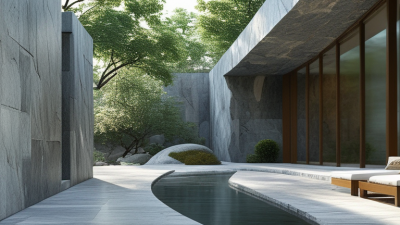
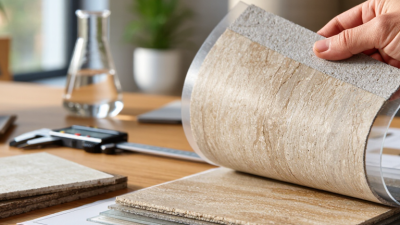
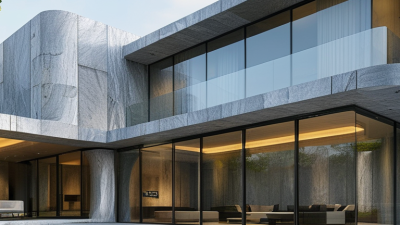
Light gray sesame grey porphyry flexible stone panels bring a calm, natural character to walls without the visual weight of conventional stone cladding. Made with natural porphyry and sesame grey granite aggregate, their fine, evenly speckled matte surface pairs easily with timber, glass, and other contemporary finishes. The neutral, low-saturation gray tone works across full exterior facades, living-room feature walls, entrance walls, and courtyard boundaries, creating a consistent look indoors and out.

Their ultra-thin, lightweight construction and flexibility make the panels easier to cut and apply to straight or gently curved surfaces, supporting both new projects and integrated renovations of older buildings. The material is rated A2 for fire resistance and offers waterproofing, moisture resistance, UV resistance, and durability in varied outdoor weather. These qualities are relevant as the built environment seeks more considered upgrades: the 2023 Global Status Report for Buildings and Construction by UNEP and GlobalABC reports that buildings and construction accounted for 37% of global energy- and process-related CO₂ emissions in 2022. While a wall finish alone cannot determine a project’s environmental performance, adaptable cladding can help designers refresh existing surfaces while preserving a clean, natural-stone appearance.

FAQS

What materials are used in stone veneer?

Natural veneer is cut from slate, limestone, granite, quartzite, sandstone, or marble. Manufactured veneer usually combines cement, lightweight aggregates, pigments, and molded textures. Check the product details, not appearance alone.

What are the main types of stone veneer?

The main types are natural stone and manufactured stone. Both can be made in thin formats. “Thin” describes the format, not the material.

Is thin stone veneer weightless?

No. Thin stone still needs suitable support and compatible mortar. Manufactured pieces often have shaped backs; natural pieces may have irregular backs that need adjustment. Thin is not weightless.

How do natural and manufactured veneer look different?

Natural stone often has varied grain, color, and texture. Manufactured pieces can look more consistent, though colors may vary between batches. A single sample can fool you.

What styles and finishes are available?

Split-face finishes have rough, shadowed surfaces. Sawn finishes look flatter and more precise. Slate may show layered edges and noticeable color shifts.

How do veneer formats differ?

Veneer may come as loose pieces, mesh-backed panels, or larger modular units. Loose pieces allow more control around corners but take longer to install. Panels cover areas faster, though repeated patterns may show.

How should I compare stone veneer samples?

View several pieces together in the light where they will be installed. Compare them dry and wet, and ask for corner pieces. Small samples rarely show the full color range.

What should I check before installation?

Review the technical sheet for weight, dimensions, absorption, backing, and moisture requirements. Confirm the wall assembly suits the product. I would check twice; appearance can distract from practical details.

Conclusion

Stone Veneer Stone is a thin layer of stone used to create the look and texture of a solid stone surface without the bulk of full-size masonry. It may be made by cutting natural stone into thinner pieces or by shaping a manufactured mix of cement, aggregates, and pigments to resemble stone. These different materials offer a range of appearances, weights, and installation needs.

Common types include natural stone veneer and manufactured stone veneer, with options such as ledgestone, fieldstone, and rubble-inspired designs. Veneer is also available in panels or individual pieces, with styles ranging from neatly stacked edges to irregular, rustic patterns. It is commonly used on interior feature walls, fireplaces, exterior façades, entryways, and landscape structures. Choosing a suitable veneer involves considering the desired appearance, location, surface preparation, and installation requirements.
Ethan

Ethan

Ethan is a seasoned marketing professional with over a decade of experience in the industry, specializing in innovative solutions for exterior renovations. He possesses extensive knowledge of the company's patented, lightweight, and durable flexible stone technology, which is designed to meet the......
Previous 10 Thin Wall Sourcing Tips for Global Buyers