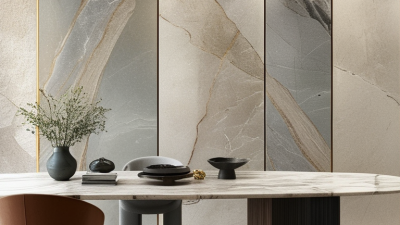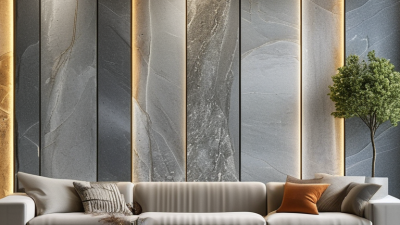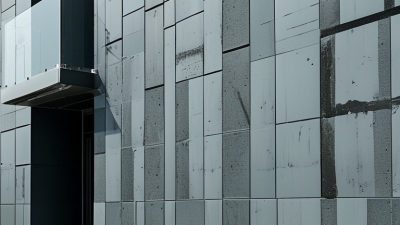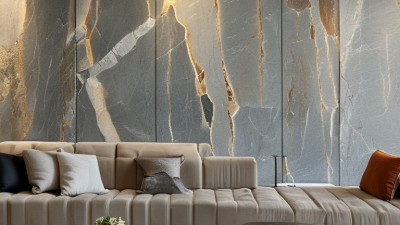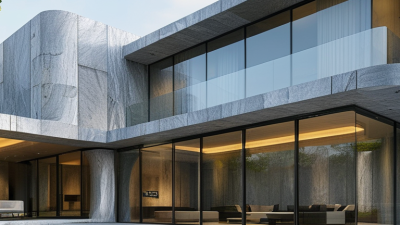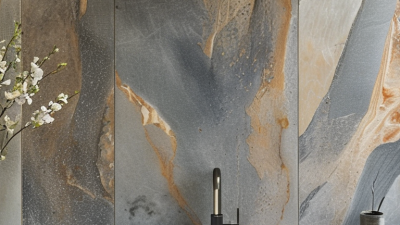
When it comes to choosing wall finishes, global buyers don’t just go for looks alone. The right Stone Wall Panels need to strike a good balance between texture, weight, durability, how quickly they’re installed, and local regulations. In this guide, I’ll walk you through ten popular panel options, from natural stone veneers and stacked slate to lightweight architectural composites. Each one offers a different vibe and suits different needs—some are perfect for hotel lobbies, while others work better on exteriors, retail fronts, or tight renovation projects.
We’re focusing on the kind of info buyers can actually verify—like the source of the stone, what the panels are made of, backing systems, water absorption rates, how they handle freezing temperatures, fire ratings, and what kind of maintenance they need. We’ll also look at things like panel thickness, size, corner pieces, packaging, lead times, and how easy it is to replace damaged parts. Keep in mind, a showroom sample might look stunning under warm lighting, but it won’t always show things like color variations, weak edges, or how tricky installation might be. That’s why it’s just as important to check product data sheets, independent test reports, project references, and clear warranty info.
No single ranking can cover everything, honestly. Factors like your climate, building height, local labor skills, and building codes can totally change what’s the best pick. So, if you’re importing, it’s smart to ask for up-to-date technical datasheets and complete samples before you place a big order. We also want to point out some practical stuff that’s easy to overlook—like damaged corners, inconsistent batches, or unclear cleaning instructions. The aim here isn’t to push one manufacturer over another. Instead, it’s about helping buyers around the globe compare Stone Wall Panels more confidently, with fewer surprises and a better grasp of long-term value.
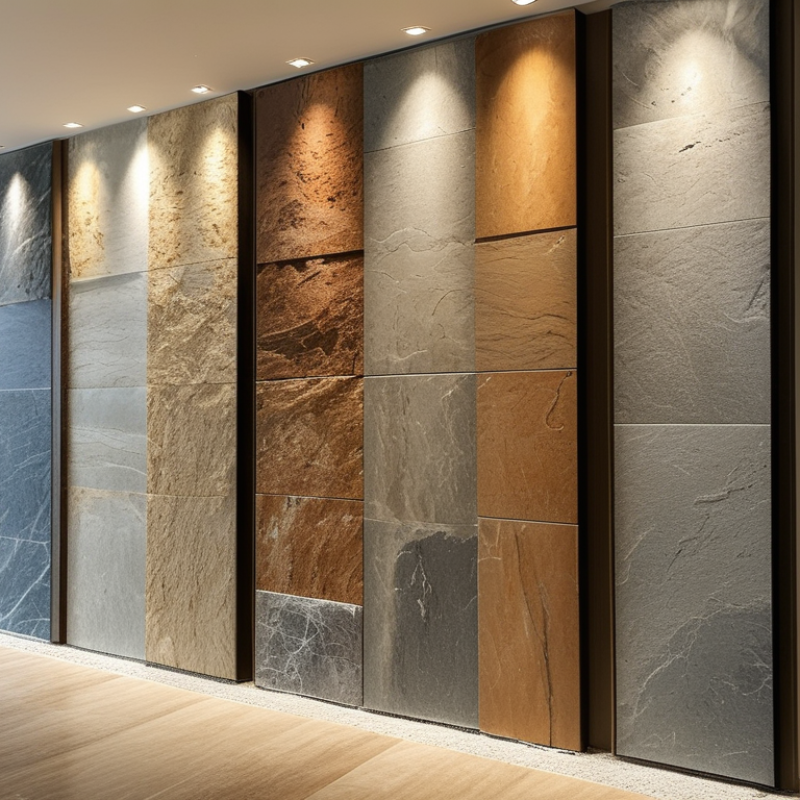
A stone wall panel is a factory-cut surface product for interior or exterior walls. Natural panels use quarried marble, slate, granite, or limestone. Each piece carries different veining, shade, and texture. That variation creates character, but it can complicate replacement orders.
Engineered panels combine mineral aggregate with binders. They offer tighter color control and predictable thickness.
Sintered panels are produced from compacted minerals under intense heat and pressure. Their dense surface resists staining, moisture, and daily abrasion.
This distinction matters when comparing the top ten options. Natural stone suits feature walls, hotels, and projects seeking geological depth. Engineered stone supports repeated layouts and controlled installation schedules. Sintered surfaces fit kitchens, bathrooms, and exposed façades where low absorption matters.
Grand View Research estimated the global natural stone market at about USD 50 billion in 2023. MarketsandMarkets projects strong growth for engineered stone through 2028. These figures show demand, not guaranteed performance.
Soft Stone Wall Panels may feel warm and lightweight, yet softer surfaces can scratch more easily. I would not judge a panel from one showroom sample.
Tips:
Request full-size samples, not small chips. Check water absorption, flexural strength, UV stability, and fire-test documentation. ASTM and EN results should match the installation region. Confirm panel weight, crate protection, batch shade, and replacement availability. A low price can hide difficult handling or weak technical support. Conversely, premium thickness is not always necessary. Many buying decisions need more reflection.
For global buyers, stone wall panels should be compared through verified performance, not appearance alone. ASTM C97/C97M measures absorption and bulk specific gravity. These results indicate how much water a panel may retain and how compact its stone structure is. Lower absorption often supports better freeze-thaw durability, but it does not guarantee it. Installation quality still matters.
ASTM C97 reports water absorption as a percentage and density through bulk specific gravity. Buyers should request the test method, specimen condition, laboratory date, and individual results.
The ASTM C97 procedure does not measure flexural strength. That property belongs to ASTM C880/C880M, which evaluates breaking strength under bending.
This distinction is easy to miss. A 2024 U.S. Geological Survey minerals report treats dimension stone as a separate construction-material category, while international trade data continues showing broad cross-border demand. Comparable test reports therefore reduce purchasing uncertainty.
Tips:
When global buyers compare the top 10 stone wall panels, EN 1469 offers a practical starting point. It applies to Natural Stone Wall Panels used for external wall cladding. The standard examines declared characteristics, tolerances, surface finish, and suitability for the intended installation. Read it carefully. Appearance alone is not enough.
Testing commonly addresses flexural strength, water absorption, frost resistance, and reaction to thermal changes. These results matter in different climates. A porous panel may absorb rain, then suffer damage when trapped moisture freezes. Coastal air adds another concern: salt and repeated wetting can expose weak finishes. EN 1469 does not replace project engineering. Fixings, anchors, substrate movement, panel size, and local wind loads still require professional review.
In practical specification reviews, buyers often compare thickness before checking performance values. That habit can mislead. Ask for a dated declaration, test method, sample range, and production tolerances. Check whether the tested stone matches the delivered quarry lot. Small color changes are normal. Large variation may signal inconsistent selection or finishing. One weakness remains: laboratory results cannot fully predict poor site drainage or careless installation. Use EN 1469 as evidence, not as a shortcut.
For global buyers, granite panels rank first for extreme durability, although they are heavy and expensive. They suit exposed façades and high-traffic walls. Quartzite panels rank second, offering excellent hardness and strong weather resistance. Their weight remains a serious installation concern. Basalt ranks third, with dense structure, low water absorption, and moderate-to-high cost. Slate ranks fourth because its layered texture hides minor scratches, but poor splitting can create weak edges.
Limestone panels rank fifth for balanced cost and weight. They need sealing in wet or polluted areas.
Sandstone ranks sixth providing warm colors and easier cutting. However, softer grades may absorb water quickly.
Travertine ranks seventh with a lighter visual character and moderate pricing. Its natural pores require careful filling and maintenance. Real projects often reveal this limitation late.
Engineered stone panels rank eighth, combining consistent dimensions with predictable installation costs. Quality varies between suppliers, so technical data matters. Lightweight mineral-composite panels rank ninth and reduce structural loads significantly. They can work well for Stone Wall Panels Exterior applications, but impact resistance needs testing.
Polyurethane stone-look panels rank tenth because they are very light and affordable. They install quickly, yet they offer less authentic texture and may need protection from intense heat.
Weight, drainage, fixing systems, and local climate should influence the final choice, not appearance alone. Even the highest-ranked panel can fail when the substrate or joint design is overlooked.
Global buyers comparing the top 10 stone wall panels should start with climate, not appearance. Fire performance depends on the complete wall assembly, including adhesives, insulation, joints, and substrates. A panel labeled fire-rated may perform differently after installation. Request test reports for the exact system and local building requirements.
Freeze–thaw exposure can damage porous panels when trapped water expands inside them. Look for low water absorption, stable backing, sealed joints, and proper drainage. In cold regions, I inspect corners and lower wall sections first. UV exposure can fade pigments and weaken some coatings, especially on south-facing façades. Flexible Stone Wall Panels may simplify curved installations, but flexibility does not automatically prove resistance to fire, frost, or sunlight. One detail is easy to miss: dark surfaces can become extremely hot.
Tips: Ask for fire-test documentation, freeze–thaw cycles, UV-aging results, and installation instructions. Compare warranty conditions with your project’s climate. Keep sample panels outdoors for several weeks when practical. This is not a laboratory test, but it can reveal early fading or surface movement. I have seen attractive samples fail because drainage was ignored. Selection remains a technical decision, not just a design choice.
| Rank | Stone Wall Panel Type | Typical Panel Thickness | Typical Water Absorption | Fire Performance Guidance | Freeze–Thaw Suitability | UV Exposure Performance | Recommended Exterior Applications | Main Selection Consideration |
|---|---|---|---|---|---|---|---|---|
| 1 | Granite Panels | 20–30 mm | Approximately 0.1–1.0%, depending on mineral composition | Stone core is generally noncombustible; the complete wall assembly must be tested for ASTM E84 or EN 13501-1 compliance. | Excellent when a low-absorption grade passes EN 12371 or the specified project freeze–thaw test. | Excellent color and surface stability under strong sunlight. | High-rise façades, entrance walls, commercial exteriors, cold-climate projects | Choose a low-absorption grade and confirm anchoring, backing, and panel weight requirements. |
| 2 | Quartzite Panels | 20–30 mm | Approximately 0.1–1.0%; some varieties may be higher | The natural stone is generally noncombustible; adhesives, insulation, joints, and subframing determine the assembly rating. | Very good to excellent for freeze–thaw exposure when the selected quarry lot has verified frost resistance. | Very good resistance to fading and weathering. | Premium façades, feature walls, coastal and high-sunlight locations | Verify that the material is true quartzite rather than a softer quartz-rich stone and request test data. |
| 3 | Porcelain Stone Panels | 6–20 mm | Usually ≤0.5% for porcelain tile and slab products | Many mineral porcelain products can achieve A1 or A2-s1,d0 classifications under EN 13501-1, but the installed system requires separate verification. | Excellent because very low absorption limits water uptake; installation must accommodate movement and drainage. | Excellent resistance to UV fading and color change. | Ventilated façades, rainscreens, transit buildings, high-sunlight regions | Confirm panel wind-load capacity, mechanical fixing details, impact resistance, and cutting tolerances. |
| 4 | Slate Panels | 15–30 mm | Approximately 0.2–3.0%, depending on porosity and cleavage | Natural slate is generally noncombustible; the fire performance of the backing and fixing system remains decisive. | Very good when the slate has low absorption, stable cleavage, and documented frost testing. | Very good; darker colors may experience normal surface heating but typically retain color well. | Roof-adjacent walls, façades, feature elevations, wet and cold regions | Check for delamination, pyrite content, layer separation, and consistent thickness. |
| 5 | Marble Panels | 20–30 mm | Approximately 0.1–2.0%; porous varieties can be higher | The stone itself is generally noncombustible; resin backing, adhesives, and the façade assembly need fire testing. | Moderate to good; select dense varieties and verify resistance to repeated freezing and thawing. | Good to excellent for natural marble; polished surfaces may require maintenance in harsh environments. | Protected façades, luxury entrances, sheltered exterior walls, temperate climates | Consider staining, acid sensitivity, thermal movement, and possible surface etching. |
| 6 | Dense Limestone Panels | 20–40 mm | Approximately 1–5%; highly variable by geological source | Natural limestone is generally noncombustible, while the complete cladding system must be assessed for fire classification. | Good for dense, low-absorption grades; porous grades may deteriorate in severe freeze–thaw climates. | Good color stability, although surface erosion can occur under severe weather exposure. | Institutional façades, residential exteriors, warm and temperate regions | Specify density, absorption, frost resistance, and resistance to salt crystallization. |
| 7 | Travertine Panels | 20–40 mm | Approximately 2–10%; filled and unfilled surfaces differ significantly | The mineral stone is generally noncombustible; fillers, coatings, adhesives, and the support wall can change the system result. | Moderate; use dense, properly filled material with tested resistance for repeated freezing and thawing. | Good UV stability, but sealers and surface fillers may weather or require renewal. | Covered façades, balconies, sheltered courtyards, warm and moderate climates | Open voids, water retention, filler durability, and edge protection are important design issues. |
| 8 | Sandstone Panels | 20–40 mm | Approximately 1–10% or more, depending on cementation and pore structure | Natural sandstone is generally noncombustible; fire classification must cover the full panel, joint, insulation, and fixing assembly. | Moderate and highly variable; select a dense grade with documented frost and salt-weathering performance. | Good in many grades, but softer or iron-rich stones may show weathering and color change. | Low-rise façades, landscape walls, dry climates, ventilated exterior systems | Do not select by appearance alone; evaluate absorption, pore structure, bedding direction, and durability testing. |
| 9 | GFRC Stone-Look Panels | 20–50 mm, depending on reinforcement and panel span | Typically lower than many porous natural stones; product-specific testing is required | The cementitious matrix is mineral-based, but polymer additives, coatings, sealants, and the complete assembly must be evaluated. | Good to excellent when manufactured with suitable mix design, reinforcement, drainage, and curing controls. | Good with UV-stable pigments and coatings; surface finishes may fade or require maintenance. | Large-format façades, lightweight decorative cladding, complex architectural forms | Review panel movement, reinforcement durability, connection design, impact resistance, and quality control. |
| 10 | Engineered Quartz Panels | 12–20 mm | Generally low, often below 0.5%, but formulation-specific | Resin content can affect fire behavior; never assume a natural-stone fire rating. Require tested ASTM E84 or EN 13501-1 results for the complete system. | Good in suitable climates; repeated freezing, moisture ingress, and poorly sealed edges can affect long-term performance. | Variable; UV-stable grades may perform well, while some resin systems can discolor or chalk outdoors. | Protected exterior walls, canopies, entrances, temperate climates | Confirm explicit exterior-use approval, UV testing, thermal-shock resistance, and warranty conditions. |
Global buyers compare ten stone wall panel types through three practical measures: thickness, panel size, and installation system. Thickness often ranges from lightweight 8–15 mm veneer sheets to panels above 30 mm. Thin panels reduce freight weight and suit interior renovations. Thicker units create deeper joints and stronger visual relief. However, thickness alone does not prove durability. A dense 12 mm panel may perform better than a porous 25 mm panel in damp conditions.
Panel size affects shipping risk, handling, and labor cost. Large formats cover walls quickly, with fewer seams across a lobby or exterior elevation. Smaller panels are easier to carry through narrow corridors and replace after impact. Buyers should verify face dimensions, usable coverage, corner pieces, and manufacturing tolerance. A stated 600 mm width may provide less coverage after overlaps or joint spacing. This detail is easy to miss.
Installation systems require equal attention. Mechanical clips support consistent alignment and may suit ventilated façades. Adhesive systems can work well on stable, prepared interior walls. Some projects also need rails, drainage gaps, insulation clearance, or approved anchors. Ask for fixing diagrams, substrate requirements, fire data, moisture limits, and replacement procedures. Request a sample wall, not only a loose panel. In our site reviews, attractive samples sometimes failed when uneven masonry changed the joint line. “Easy installation” is not always easy for local crews. Consider training, tools, climate, and inspection access before comparing the final landed cost.
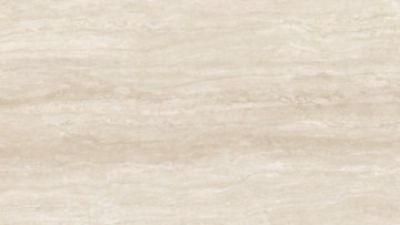
Off-white wavy travertine brings a refined natural texture to contemporary Chinese wall decor, where calm proportions and material authenticity are central to the new Chinese style. Its milk-white base is crossed by faint, uneven beige horizontal veins, creating a gentle three-dimensional effect without overwhelming the room. The warm neutral tone works naturally with wood, linen, matte metal, and restrained oriental detailing, helping walls feel spacious, quiet, and visually layered.
Recent natural-stone market reports estimate that the global sector was valued at approximately US$35 billion in 2023 and is projected to grow at around 4% annually through the next decade, reflecting continued interest in durable, natural interior materials. This travertine responds to that demand while offering practical flexibility: its balanced flatness and slight undulation support large-area whole-house paving, while the material can also adapt to small curved corners and customized wall applications. Moderate water resistance makes it suitable for humid southern interiors and carefully selected small outdoor courtyard walls, provided professional installation and appropriate sealing are used.
The subtle horizontal movement is especially effective in contemporary Chinese spaces because it echoes traditional landscape rhythms in a cleaner, more architectural language. Rather than relying on strong color or dramatic pattern, the surface creates depth through light, shadow, and restrained variation, allowing decorative objects and furniture to remain visually balanced.
It measures water absorption and bulk specific gravity. These indicate moisture retention and stone compactness.
No. Flexural strength requires ASTM C880 testing. This distinction is easy to miss.
Lower absorption may improve freeze–thaw durability. It does not guarantee long-term performance.
Request the test method, specimen condition, laboratory date, and individual results. Ask for reports from the same production batch.
It reviews declared properties, tolerances, finishes, and intended installation suitability. Appearance alone is not enough.
Cold regions need freeze–thaw evidence and effective drainage. Coastal areas also face salt and repeated wetting.
No. Fire performance depends on the complete wall assembly, including adhesives, insulation, joints, and substrates.
Request UV-aging results and inspect coatings carefully. Dark surfaces may become extremely hot.
Yes. Thin panels, weak support, rough handling, or poor fixing can cause cracking. Density is not a complete answer.
No. Laboratory specimens cannot reproduce every site condition. Drainage and workmanship still require field judgment.
Stone Wall Panels are available in natural stone, engineered stone, and sintered materials, each offering different levels of authenticity, consistency, strength, and design flexibility. This guide explains how ASTM C97 helps buyers compare density, water absorption, and flexural strength, while EN 1469 provides useful criteria for evaluating stone slabs used in exterior wall cladding. It also presents a practical ranking of the top 10 panel types based on durability, weight, maintenance needs, and overall cost.
For international projects, selecting the right panel requires more than comparing appearance and price. Fire performance, freeze–thaw resistance, and long-term UV exposure can significantly affect service life, especially on exterior façades. Buyers should also review panel thickness, maximum dimensions, handling requirements, anchoring methods, and installation systems. By balancing technical performance, logistics, climate conditions, and budget, global purchasers can choose wall panels that provide reliable protection, efficient installation, and lasting architectural value.