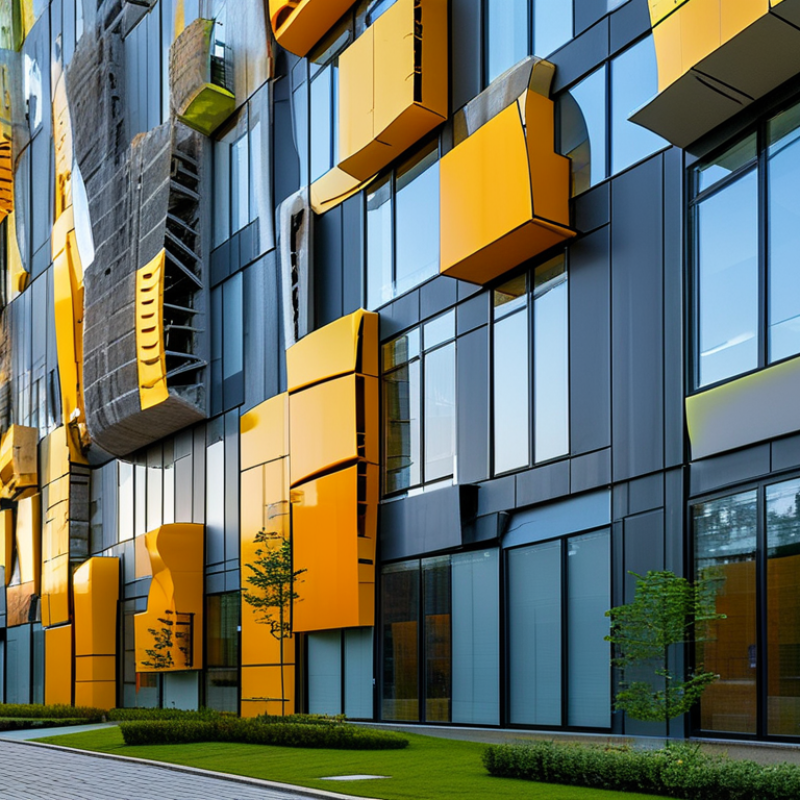
In today’s world, sustainability isn’t just buzzwords — it’s a must, especially in construction. One thing that really stands out in making buildings greener is using Exterior Wall Panels. Industry folks often point out how crucial they are for saving energy and cutting down on environmental impact. As Richard Green, CEO of EcoBuild Solutions, puts it, “Exterior Wall Panels aren’t just some building material — they’re a step towards a more sustainable future.”
Overview of Sustainable Building Solutions
Sustainable building solutions are increasingly recognized for their role in reducing environmental impact. Exterior wall panels play a vital role in the overall sustainability of a building. Studies show that buildings account for nearly 40% of global energy consumption. Thus, choosing the right materials is critical.
Many exterior wall panels use recycled content and are designed for energy efficiency. According to the U.S. Department of Energy, buildings using high-performance insulation in their walls can reduce energy use by 20-50%. Moreover, sustainable panels can enhance thermal performance, cutting heating and cooling costs.
However, not all materials are created equal. Some products may have high embodied energy, raising questions about their sustainability. A report from the World Green Building Council indicates that the lifecycle analysis of building materials is essential. Building professionals should consider both the environmental impact during use and the energy cost of production. Balancing these factors is complex and requires ongoing reflection.
Importance of Exterior Wall Panels in Sustainability
Exterior wall panels play a pivotal role in sustainable building solutions. They significantly impact energy efficiency, resource management, and overall sustainability in construction. According to a report by the U.S. Green Building Council, buildings account for nearly 40% of total energy use. This highlights the need for efficient wall systems to reduce overall consumption.
Materials used in wall panels can influence a building’s environmental footprint. For example, studies show that insulated panels can reduce thermal bridging, leading to lower heating and cooling demands. This can cut energy consumption by up to 50%. Additionally, renewable materials and sustainably sourced options enhance the lifecycle assessment of buildings. Many modern panels use recycled materials, further minimizing waste and environmental impact.
However, not all wall panels are created equal. The quality and installation methods can vary significantly. Poor installation can negate the benefits of sustainable materials. It’s vital for architects and builders to prioritize not just the materials but also the installation processes to achieve truly sustainable outcomes. Balancing innovation with practicality remains a challenge in the industry.
Criteria for Selecting Eco-Friendly Wall Panels
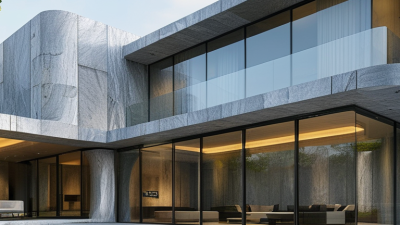
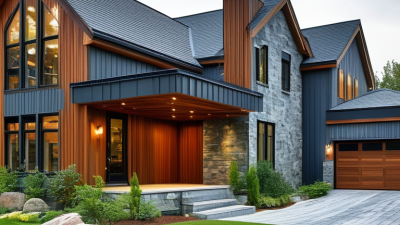
When selecting eco-friendly wall panels, there are several key criteria to consider. Durability plays a crucial role in sustainability. According to the U.S. Department of Energy, durable materials reduce the need for frequent replacements. This means lower resource use over time. For instance, Stone Wall Panels Exterior can withstand harsh weather and require minimal maintenance, supporting their long-term viability.
Another important aspect is the source of materials. Look for panels made from reclaimed or recycled resources. A report from the Environmental Protection Agency indicates that recycled materials can cut energy consumption by up to 75% compared to traditional manufacturing processes. This not only conserves natural resources but also minimizes environmental impact.
Once durability and sourcing are reviewed, consider the insulating properties of the panel. An effective insulator can enhance energy efficiency significantly, reducing heating and cooling costs. A study from the American Council for an Energy-Efficient Economy reveals that insulated walls can lead to energy savings of 30% annually. These figures highlight the importance of choosing panels that excel in thermal performance.
Top 10 Sustainable Exterior Wall Panel Materials
When selecting sustainable exterior wall panel materials, several options excel in performance and eco-friendliness. Among these, Stone Panels Exterior provide durability and aesthetic appeal. They are composed of natural rock materials, offering excellent insulation properties. Another notable option is reclaimed wood, which not only reduces waste but also adds character to any structure. This choice requires careful sourcing to ensure it is genuinely sustainable.
Another promising material is fiber cement. It is made from sustainable wood fibers and cement, providing resistance to weathering and pests. Its lightweight nature makes it easy to install. Additionally, there are innovative composites made from recycled plastics. These materials can mimic the look of wood or stone while being lightweight and resistant to rot.
While these materials offer many benefits, they aren't without challenges. Stone panels exterior can be heavy and require strong support structures. Reclaimed wood may not always be available in desired quantities or qualities. Fiber cement, although durable, can have environmental impacts during production. Therefore, careful consideration and planning are crucial when choosing sustainable exterior wall panels for your building project.
Top 10 Sustainable Exterior Wall Panel Materials
| Material |
Recyclability |
Durability |
Insulation Value (R-Value) |
Sustainability Rating |
| Wood Fiber |
High |
Moderate |
3.5 |
Certified |
| Bamboo |
High |
High |
4.0 |
Excellent |
| Recycled Steel |
Very High |
Very High |
2.0 |
Good |
| Fiberglass |
Medium |
High |
3.0 |
Fair |
| Hempcrete |
High |
Moderate |
3.2 |
Excellent |
| Cork |
High |
High |
3.6 |
Good |
| Rammed Earth |
N/A |
Very High |
5.0 |
Excellent |
| Straw Bales |
High |
Low |
3.5 |
Good |
| Recycled Aluminum |
Very High |
High |
2.5 |
Fair |
| SIP Panels (Structural Insulated Panels) |
High |
Very High |
4.2 |
Excellent |
Benefits of Using Sustainable Wall Panels
Sustainable wall panels are changing the way we think about construction. These panels reduce environmental impact and improve energy efficiency. One significant benefit of using sustainable wall panels is their ability to insulate buildings effectively. This insulation helps maintain a comfortable indoor climate while reducing energy needs.
Another advantage is the longevity of these materials. Many sustainable wall panels, such as Exterior Stone Veneer Panels, are designed to withstand harsh weather. They resist fading, cracking, and warping, providing a durable option. This longevity means fewer replacements, leading to less waste over time.
However, not every option is perfect. Some sustainable materials may be more costly upfront. This can deter builders and homeowners from making the switch. Understanding the long-term savings is essential. The initial investment can pay off through reduced energy bills and maintenance costs. Exploring these solutions reveals both their challenges and the potential for a more sustainable future.
Case Studies: Successful Applications of Sustainable Panels
Sustainable building solutions are gaining traction as more architects and builders seek to minimize environmental impact. Various case studies highlight the successful application of sustainable exterior wall panels in modern constructions. These panels, made from recycled materials and natural resources, showcase the potential for energy-efficient buildings.
One notable case involved a community center built with innovative wall panels designed for insulation and durability. The center experienced a significant reduction in energy consumption. The choice of materials promoted a healthier indoor environment, addressing common concerns about VOC emissions. While the installation process was smooth, some challenges arose in sourcing local materials, prompting reflection on supply chain sustainability.
Another project embraced a mix of natural wood and composite materials. The architects prioritized aesthetics alongside function, resulting in a visually appealing facade. However, weathering and maintenance posed unexpected challenges. Regular upkeep proved necessary to maintain both appearance and performance. These examples reflect both progress and the need for ongoing evaluation in the pursuit of truly sustainable building practices.
Future Trends in Sustainable Exterior Wall Panel Technology
Innovation in sustainable building materials is evolving rapidly. Exterior wall panels play a crucial role in this transformation. The global market for sustainable building materials is projected to reach $1.2 trillion by 2030, according to a study by Grand View Research. This growth signals a shift in construction practices, driven by the need for environmentally friendly solutions.
One noteworthy trend is the use of Exterior Brick Veneer Panels. These panels combine aesthetic appeal with energy efficiency. They provide thermal insulation, reducing heating and cooling costs significantly. A report by the U.S. Department of Energy states that well-insulated walls can save homeowners up to 30% on energy bills annually. This technology not only contributes to lower carbon emissions but also enhances durability, challenging the perceptions of traditional building materials.
Biodegradable materials are also gaining ground. Research indicates that incorporating natural fibers into panel designs supports both sustainability and structural integrity. However, some limitations still exist. The challenge lies in balancing cost and performance. Sustainable options can sometimes be more expensive upfront, which can deter widespread adoption. The industry must address these financial barriers while continuing to innovate.
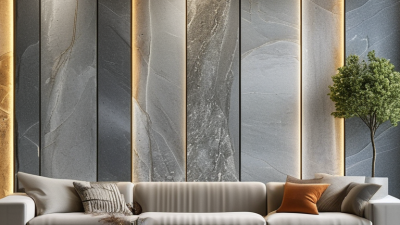
Innovative Elegance: Transforming Spaces with Creamy Beige Golden Granite Porphyry Flexible Wall Cladding
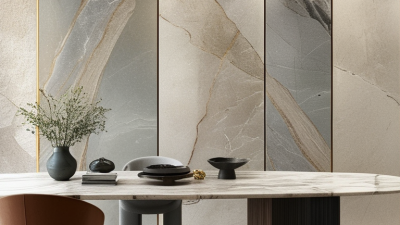
Transforming spaces with innovative materials can significantly enhance both aesthetics and functionality. The "Innovative Elegance" of creamy beige golden granite porphyry flexible wall cladding exemplifies this shift in design philosophy. This cladding option is not just pleasing to the eye; it also integrates advanced technology and sustainability into construction practices. With its fine granular matte texture and warm cream tones, it seamlessly blends into various architectural environments, making it suitable for diverse applications.
One of the standout features of this flexible veneer is its ultra-thin, lightweight, and bendable eco-composite structure. According to a recent industry report, flexible cladding materials are gaining traction, with a projected growth rate of over 12% in the coming years, propelled by their ease of installation and adaptability to various surfaces. This cladding's A2 fire resistance certification adds an essential layer of safety, while its waterproof, damp-proof, and UV-blocking capabilities ensure longevity even in harsh weather conditions.
Beyond technical attributes, the creamy beige granite porphyry cladding serves as a versatile choice for numerous applications. Whether adorning the entrance of a villa, enhancing the ambiance of a courtyard, or revitalizing an old residence, its easy-to-cut and paste format allows for effortless installation. As the construction industry increasingly focuses on sustainable and elegant solutions, this wall cladding epitomizes that vision, making it an ideal choice for modern architecture and design.
FAQS
: Sustainable wall panels reduce environmental impact and improve energy efficiency. They effectively insulate buildings.
These panels help maintain a comfortable indoor climate. This reduces energy needs and, in turn, lowers energy bills.
Common materials include stone panels, reclaimed wood, fiber cement, and recycled plastics. Each has unique advantages.
Recycled plastic panels can mimic wood or stone. However, they may not always maintain their appearance over time.
Reclaimed wood reduces waste, but sourcing is critical. Not all reclaimed wood is truly sustainable or of high quality.
Sustainable options can be costly upfront. This initial investment may deter builders despite long-term savings potential.
Many sustainable options, like fiber cement, are designed to resist weather conditions, ensuring durability and longevity.
Trends include biodegradable materials with natural fibers and innovations that balance cost and performance for broader adoption.
They enhance aesthetic appeal and offer thermal insulation, significantly cutting heating and cooling costs.
While biodegradable materials support sustainability, financial viability and performance still present challenges for widespread usage.
Conclusion
The article "Top 10 Exterior Wall Panels for Sustainable Building Solutions" provides a comprehensive overview of the pivotal role that exterior wall panels play in promoting sustainability within the construction industry. It highlights the importance of selecting eco-friendly materials that contribute to energy efficiency and reduce environmental impact. Key criteria for choosing sustainable wall panels include durability, recyclability, and energy performance, which are explored alongside the top ten materials currently leading the market.
Additionally, the article discusses the benefits of utilizing sustainable exterior wall panels, such as enhanced insulation, reduced carbon footprint, and improved aesthetic appeal. Through case studies of successful applications, it illustrates how these materials have been effectively implemented in various projects. Looking forward, the piece examines emerging trends in exterior wall panel technology, emphasizing innovations that further support sustainable building practices.
 +86 18942445383

 Contact Email