Leave Your Message
0%

Flexible Stone Panels are really changing the game when it comes to bringing natural stone into spaces like homes, hotels, retail stores, and lightweight commercial interiors. These thin panels can bend and follow gentle curves, helping to reduce wall loads and giving you that classic stone look without the hassle of traditional masonry. But honestly, just how they look isn’t the only thing that matters when it comes to quality.

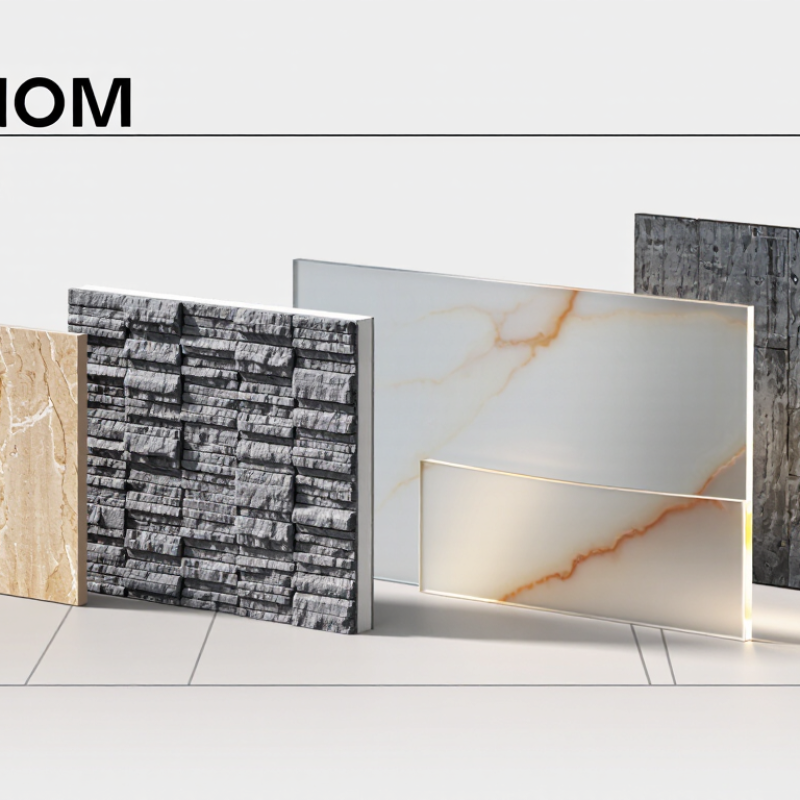
In this guide, I’ll walk you through some of the top types of Flexible Stone Panels—think veneer sheets, textured stacked-stone panels, translucent options, and those designed to handle the outdoors. Each one is suited for different situations. For example, veneer sheets are great for feature walls or furniture fronts, while textured panels can really add dimension around fireplaces or reception areas. Translucent panels are pretty cool because they soften light behind counters or partitions, and exterior-rated ones? They’re built to stand up to moisture, UV rays, and changing weather.

And, of course, real-world projects tend to reveal the true differences. Sometimes a panel might look super premium in a showroom, but when you see it under harsh side lighting, it looks uneven or lacks consistency. Some surfaces feel really natural, while others might show visible backing or have varying thickness—this isn’t always a flaw, but you definitely want to check these things out carefully. Experienced installers usually ask for samples beforehand, inspect the substrate, and make sure the adhesive will work well before you commit to a big order. Good suppliers will also provide technical data, cleaning tips, fire info, and guidelines for installation.

Choosing the right panel really depends on your location, how much maintenance you're willing to do, your preferred textures, and your budget. There’s no one-size-fits-all here. This comparison focuses on how panels perform in real life, backed up by actual specs and lessons learned during installations—not just pretty pictures. I might miss some niche products or regional options, so I definitely recommend checking with qualified manufacturers and installers to get the most current info before making your decision.
What Are the Top Types of Flexible Stone Panels?

What Are Flexible Stone Panels and How Are They Made?

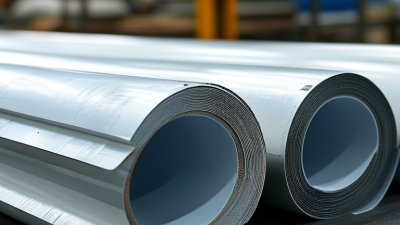
Flexible stone panels are thin sheets of natural stone fixed to a light, bendable backing. They are commonly made from slate, sandstone, marble, or mica-rich stone. Manufacturers first split a quarried stone block into very thin layers. A fiberglass, polyester, or mineral backing is then bonded to the stone surface with a resin system. The result is a lighter surface than conventional stone slabs.

The manufacturing process is more sensitive than it looks. Uneven stone grain can create small color changes, open textures, or slight panel curvature. That is part of the material’s character, but it can also complicate installation. Skilled installers usually dry-fit each sheet before applying adhesive. They cut corners carefully, seal porous faces when required, and leave movement gaps on larger walls. Flexible Stone Wall Panels may suit curved columns, feature walls, ceilings, and furniture fronts.

Slate panels usually provide strong texture and visible layering. Sandstone offers warmer, softer colors, while marble-based panels create finer veining. According to the U.S. Geological Survey’s Mineral Commodity Summaries 2024, U.S. dimension-stone production was approximately 1.4 million metric tons in 2023. Grand View Research also estimated the global natural-stone market at roughly US$50 billion in 2023. These figures describe the wider stone sector, not flexible panels alone. That distinction matters. A thin panel is not automatically suitable for wet rooms, exterior exposure, or heavy-impact areas; substrate testing and manufacturer-approved adhesives remain essential.

What Features Define the Main Types of Flexible Stone Panels?

Flexible Stone Veneer Panels are defined by more than their stone appearance. Their backing, weight, thickness, and bending radius determine where they perform best. Natural-stone panels use thin quarried layers bonded to a flexible substrate. They preserve real color variation, mineral texture, and small surface imperfections. Engineered mineral panels usually combine stone powder, resins, and reinforcing fibers. They offer more consistent dimensions and often simpler cutting.

Weight matters on ceilings, curved walls, furniture, and retrofit surfaces. A typical flexible panel may weigh about 1.5–3 kilograms per square meter, far less than conventional stone cladding. Grand View Research’s 2024 natural stone market analysis projects roughly 4% annual growth through 2030, supported partly by renovation and lightweight surface applications. That trend sounds useful, but market growth does not prove every panel suits wet rooms or exterior walls.

Moisture resistance, UV stability, fire classification, and adhesive compatibility separate reliable products from decorative substitutes. Translucent varieties add light transmission for counters, partitions, and illuminated feature walls. Textured varieties emphasize slate-like splits, while smooth varieties suit clean contemporary interiors. ASTM installation guidance for adhered manufactured stone emphasizes substrate preparation, drainage, and bond performance; flexible panels still require project-specific testing. I would request technical sheets, test results, and sample panels before specifying them. Color can shift. Edges can reveal the backing. That detail is easy to overlook.

How Do Slate Flexible Stone Panels Differ from Other Options?

Flexible stone panels commonly use slate, marble, sandstone, travertine, or quartzite as their surface layer. Slate flexible stone panels differ through their natural cleft texture, layered appearance, and strong color variation. Each sheet may show charcoal, rust, green, or soft gray tones. No two panels look exactly alike.

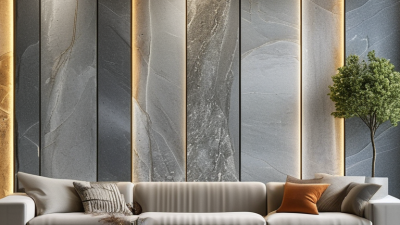
Slate also feels more architectural than polished stone. Its uneven surface catches light across a wall, especially near windows or warm lighting. The panels remain lightweight because the stone layer is thin and bonded to a flexible backing. This construction supports installation on curved columns, furniture faces, and feature walls. Still, “flexible” does not mean foldable. Tight bends can stress the backing or create visible cracks.

Other options create different visual and practical results. Marble usually offers smoother veining and a more refined appearance, but scratches and stains may be easier to notice. Sandstone brings warmer, grainier colors, while travertine often includes pores and small surface openings. Quartzite can provide a harder surface, although its appearance and flexibility depend on the panel structure.

A sample can mislead. Slate may look darker in a showroom than beside natural daylight. Installers should inspect several sheets before fixing them permanently. The backing, adhesive, wall condition, and sealing method also affect performance. Slate is durable, but it still needs careful handling and suitable maintenance. Its irregular beauty is a benefit, though it can make matching difficult.

What Are the Top Types of Flexible Stone Panels? - How Do Slate Flexible Stone Panels Differ from Other Options?

Comparison of commonly used natural-stone flexible panels. Performance varies with the stone layer, backing system, adhesive, joint treatment, substrate, and installation conditions.

Flexible Stone Panel Type Typical Appearance Typical Panel Thickness Flexibility Weight Advantage Moisture Suitability Common Applications Main Strengths Key Limitations
Slate Flexible Stone Panels Layered texture with natural cleft lines; colors commonly include gray, black, green, brown, and rust tones. Approximately 1.5–3 mm stone-faced construction, depending on the product system. ★★★★☆
Good bending capability when properly supported.
Very high; substantially lighter than conventional solid-stone slabs. Suitable for many interior wet-area applications and selected exterior uses when sealed and installed with compatible systems. Feature walls, ceilings, columns, furniture faces, fireplaces, backsplashes, and curved surfaces. Distinctive natural texture, good visual depth, relatively strong surface character, and broad color variation. Uneven cleft surfaces can make cleaning and tight detailing more difficult; color and texture vary from sheet to sheet.
Quartzite Flexible Stone Panels Hard, crystalline appearance with bright veining and a generally sharper visual contrast than slate. Approximately 1.5–3 mm stone-faced construction, depending on the product system. ★★★☆☆
Moderate; the stone face is harder and may require greater care during forming.
Very high compared with solid quartzite slabs. Generally suitable for moisture-exposed interiors when sealed and detailed correctly; verify exterior suitability. Accent walls, reception areas, hospitality interiors, backsplashes, and decorative panels. Hard-wearing surface character, strong veining, and a premium stone appearance. Less forgiving during tight-radius bending; brittle edges and prominent seams may require careful handling.
Sandstone Flexible Stone Panels Warm earthy shades with granular texture, including beige, tan, gold, and reddish tones. Approximately 1.5–3 mm stone-faced construction, depending on the product system. ★★★★☆
Good flexibility in thin-panel formats.
Very high compared with conventional sandstone cladding. Best for protected or properly sealed applications; porous surfaces require careful moisture management. Interior walls, ceilings, decorative columns, retail displays, and sheltered exterior features. Warm natural appearance, lightweight installation, and suitability for curved decorative elements. Higher porosity can increase staining and water-absorption risk; sealing and regular inspection may be needed.
Marble Flexible Stone Panels Polished or softly textured appearance with veins and colors associated with natural marble. Approximately 1.5–3 mm stone-faced construction, depending on the product system. ★★★☆☆
Moderate flexibility; the surface should be protected from sharp impacts.
Very high compared with solid marble slabs. Suitable for many interior applications when sealed; avoid unverified exposure to harsh chemicals or severe weather. Luxury feature walls, bathrooms, ceilings, furniture fronts, retail interiors, and hospitality spaces. High-end appearance with reduced structural load and easier handling than full-thickness marble. Calcium-carbonate marble can etch from acids; scratches, chips, and stain risks depend on finish and porosity.
Travertine Flexible Stone Panels Warm cream, beige, and brown tones with natural pits, pores, and flowing sedimentary patterns. Approximately 1.5–3 mm stone-faced construction, depending on the product system. ★★★★☆
Good flexibility in thin sheets.
Very high compared with solid travertine tiles or slabs. Suitable for many interior applications after appropriate sealing; porous areas need extra care in wet locations. Interior walls, spas, feature panels, ceilings, columns, and decorative commercial spaces. Soft, warm visual character and good suitability for lightweight curved cladding. Natural voids and porosity can collect dirt; acidic cleaners may damage the calcium-based surface.
Limestone Flexible Stone Panels Subtle matte surface with pale cream, gray, beige, or softly mottled tones. Approximately 1.5–3 mm stone-faced construction, depending on the product system. ★★★★☆
Good flexibility in suitable thin-panel constructions.
Very high compared with solid limestone cladding. Primarily recommended for properly sealed interiors or protected exterior locations. Minimalist walls, ceilings, offices, hospitality interiors, and decorative architectural details. Quiet, contemporary appearance and lower handling load than traditional limestone pieces. Generally softer and more acid-sensitive than many silicate stones; staining and weathering require consideration.
Mica Schist Flexible Stone Panels Reflective layered surface with sparkling mineral highlights and pronounced natural variation. Approximately 1.5–3 mm stone-faced construction, depending on the product system. ★★★★☆
Good flexibility, subject to the stability of the layered face.
Very high compared with full-thickness schist cladding. Suitable for selected interior and protected exterior uses when sealed and mechanically supported as required. Feature walls, reception desks, ceilings, columns, decorative furniture, and curved installations. Distinctive light-reflective effect, lightweight format, and strong decorative impact. Highly variable texture and possible flaking or edge loss require careful handling, bonding, and joint detailing.

Important: “Flexible” stone panels are thin natural-stone veneers bonded to a backing or reinforcing layer; they are not equivalent to structural stone slabs. Always confirm the manufacturer’s technical data for panel dimensions, bend radius, fire classification, UV resistance, water absorption, adhesive compatibility, and approved interior or exterior use.

What Are the Characteristics of Sandstone Flexible Panels?

Sandstone flexible panels combine a natural stone surface with a bendable backing layer. This structure makes them lighter than traditional stone slabs. It also allows installation around gentle curves, columns, and softly rounded corners.

The surface usually shows layered grains, muted colors, and small mineral variations. Each panel can look slightly different. That variation gives walls a more authentic appearance. It also means a perfectly uniform pattern is unlikely. Flexible Wall Panels made with sandstone often suit feature walls, reception areas, fireplaces, and sheltered exterior surfaces.

Good installation depends on careful surface preparation. The wall should be clean, dry, stable, and reasonably flat. Dust or moisture behind the panel may weaken adhesion. A flexible panel can follow a curve, but it will not hide major cracks or uneven joints. That part is easy to underestimate. Before installation, check the supplier’s guidance for adhesive, sealing, cutting, and temperature limits. Sandstone may absorb moisture, so sealing can help protect its texture and reduce staining. However, excessive sealing may change its natural color. Test a small hidden area first. Even experienced installers should allow for mistakes around corners, because sandstone layers can chip when cut too quickly.

Top Types of Flexible Stone Panels: Typical Thickness Ranges

Sandstone flexible panels are valued for their natural texture, warm color variation, light weight, and thin profile. The chart compares representative thickness ranges commonly used for natural flexible stone veneer panels.

Typical ranges shown are approximately 1–3 mm for flexible stone veneer products. Actual thickness can vary according to the stone layer, backing material, surface finish, and fabrication method.

How Do Marble and Travertine Flexible Panels Compare?

Flexible Stone panels commonly use marble, travertine, slate, sandstone, and quartzite veneers. Marble and travertine remain popular because they bring genuine mineral texture to lightweight interiors. Grand View Research’s 2024 natural stone market report projects approximately 4.8% annual growth through 2030. That demand reflects design value, not simply construction volume.

Marble flexible panels usually provide cleaner surfaces and stronger visual contrast. Their fine veining works well behind reception desks, fireplaces, and illuminated wall features. Travertine panels look warmer and more tactile. Their natural pits and bands create a softer Mediterranean character. However, those openings can collect dust and moisture. Filled travertine is easier to maintain, but it loses some raw texture.

On site, I find marble easier to wipe after cutting. It can still show scratches under angled lighting. Travertine hides small marks better, although uneven pores demand careful sealing. Flexible panels are not structural stone. They need a stable, dry substrate and accurate adhesive coverage. Poor preparation causes curling at corners. It happens.

The U.S. Geological Survey’s Mineral Commodity Summaries 2024 identifies dimension stone as a measured mineral commodity, while noting changing domestic production and import patterns. Those figures do not predict panel performance directly. They do show why material sourcing and thickness matter. ASTM C170 testing data for natural stone also reminds specifiers to review compressive strength before selecting a panel for heavy-use areas. I once treated appearance as the main decision. That was too simplistic. Surface porosity, lighting, cleaning routines, and installation skill deserve equal attention.

Which Flexible Stone Panel Type Suits Each Interior or Exterior Use?

Flexible stone panels differ by surface texture, stone composition, and installation behavior.

Slate panels offer layered movement and a naturally rugged appearance. They work well on living room walls, fireplaces, and sheltered outdoor features.

Sandstone panels create softer colors and a warmer visual effect. They suit patios, garden walls, and entry areas with moderate exposure.

For refined interiors, marble-textured panels can add light veining to bathrooms, reception walls, and dining spaces. They are easier to handle than solid stone, but the substrate still needs careful preparation.

Uneven plaster, dust, or trapped moisture can cause poor bonding.

It feels warm. The surface remains stone.

In wet rooms or exterior areas, choose panels with stable backing and verified resistance to moisture, temperature changes, and ultraviolet exposure.

A textured slate panel may hide small marks near an entrance, while a smoother panel is easier to clean behind a kitchen counter.

I have found that corners require more planning than broad walls. Flexible panels can follow curves, but tight bends may stress the surface or reveal seams.

Always check the manufacturer’s technical data, test a small sample, and confirm the adhesive suits both the panel and the wall.

A beautiful panel can still fail when drainage, expansion, or ventilation is overlooked.

Shortcuts sometimes look convincing at first.

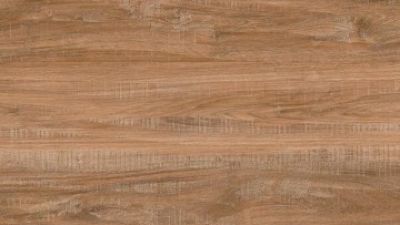
Warm Khaki Wood Grain Travertine Flexible Wall Panels for Elegant, Flexible Interior Design

Warm khaki wood grain travertine flexible wall panels bring a calm, natural character to contemporary architecture. Their layered sedimentary texture reflects the authentic beauty of travertine, while continuous horizontal grain lines create the soft, flowing appearance of finely finished wood. The earthy khaki tone adds warmth and visual depth, making these panels suitable for elegant interior design as well as refined exterior applications. They offer the welcoming look of solid timber without the common concerns of rot, mildew, cracking, or deformation.

Formed from ultra-thin, lightweight, bendable inorganic composite materials, the panels can adapt to curved surfaces and complex architectural details with minimal effort. Their A2 fire-resistance rating supports safer design planning, while waterproof, moisture-resistant, ultraviolet-resistant, and weather-resistant performance helps maintain a stable appearance in changing conditions. Easy and labor-saving installation makes them a practical choice for full villa façades, courtyard landscape walls, entrance porches, feature walls, and renovation of older building exteriors. The combination of stone-inspired texture, wood-like movement, and flexible construction allows designers to create warm, distinctive spaces with lasting visual appeal.

FAQS

What are flexible stone panels?

They are thin natural-stone layers bonded to a light, bendable backing. They weigh much less than solid stone slabs. The surface still shows real mineral texture and color variation.

How are flexible stone panels made?

Workers split quarried stone into very thin layers. A fiberglass, polyester, or mineral backing is bonded with resin. The process needs careful control. Small curves or color changes may appear.

Which stone types are commonly used?

Slate provides strong texture and visible layers. Sandstone offers warmer, softer colors. Marble-based panels show finer veining. Mica-rich stone can create reflective details.

Where can flexible stone panels be installed?

They can suit curved columns, feature walls, ceilings, and furniture fronts. Their low weight helps with some renovation projects. Curved surfaces need careful dry-fitting. Do not assume every panel fits every location.

How much do flexible stone panels weigh?

Many panels weigh about 1.5–3 kilograms per square meter. That is lighter than conventional stone cladding. Lower weight can simplify ceiling and furniture applications. The backing still needs proper support.

Can flexible stone panels be used in wet rooms?

Not automatically. Moisture resistance depends on the panel, adhesive, seams, and substrate. Request test information before using panels near showers or sinks. A beautiful sample proves very little.

What should installers do before fixing the panels?

Installers should dry-fit every sheet before applying adhesive. They should check corners, grain direction, and visible color differences. Porous surfaces may need sealing. Larger walls may require movement gaps.

Do flexible stone panels have a consistent appearance?

Natural panels often show open textures, slight curvature, and changing colors. Those differences create character. They can also make matching difficult. I would inspect several sample sheets, not one.

Conclusion

Flexible stone panels are lightweight surface materials made by bonding a thin layer of natural stone to a flexible backing. This process preserves the color, texture, and organic character of stone while making the panels easier to cut, transport, and install on curved or irregular surfaces. The main differences between types include stone texture, flexibility, thickness, weight, moisture resistance, and suitability for indoor or outdoor environments.

Slate flexible stone panels are known for layered texture, strong visual contrast, and a natural, rugged appearance, making them suitable for feature walls and exterior accents. Sandstone panels offer warmer colors, softer patterns, and a more relaxed decorative effect. Marble panels provide refined veining and an elegant appearance, while travertine creates a softer, earthy look with distinctive pores and variations. Choosing the right flexible stone panels depends on the desired style, surface shape, maintenance needs, and exposure conditions. Interior walls, ceilings, furniture, bathrooms, facades, and landscape features may each benefit from a different stone type.
Sophia

Sophia

Sophia is a seasoned marketing professional with over a decade of experience in the industry. Her expertise lies in promoting innovative, lightweight, and environmentally sustainable flexible stone solutions tailored for various projects, including exterior renovations, luxurious villas, cultural......
Previous Why Choose Stone Veneer Stone for Your Project?