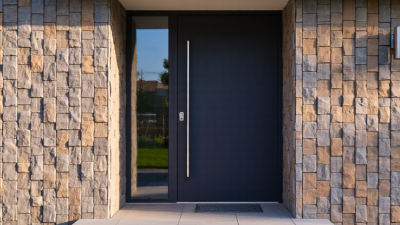
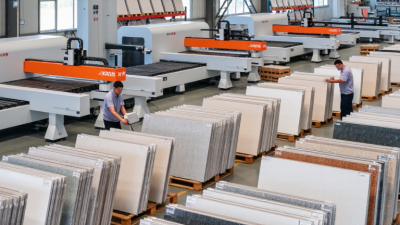
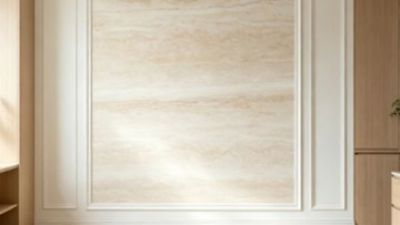
Choosing the right Soft Stone begins with understanding how the material behaves in real spaces. “Soft” does not mean weak. It usually describes a stone that scratches, absorbs, or etches more easily than granite. Hardness also varies between individual slabs, even within the same quarry. That detail matters.
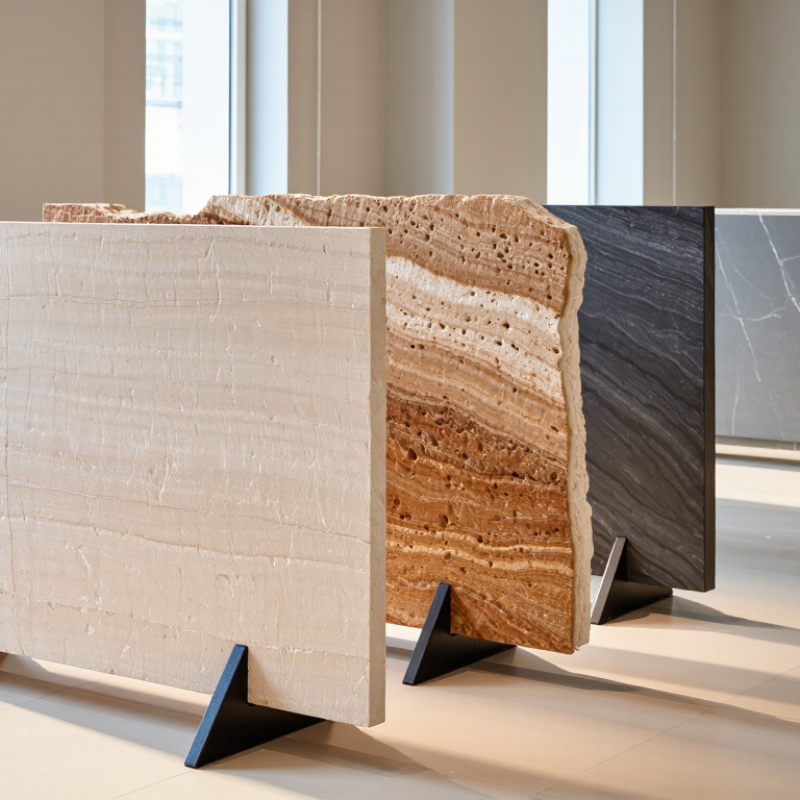
Limestone remains a popular choice for calm, natural interiors. Its pale beige surface works well on walls, floors, and fireplace surrounds. Travertine offers visible pores, layered edges, and warm earthy movement. It can create a Mediterranean atmosphere, but its openings may collect dirt without proper filling. Soapstone feels smooth and slightly warm to the touch. It resists heat well, making it practical for selected kitchen surfaces. Slate adds texture and deeper color, although uneven layers can complicate installation.
Each type has strengths and limitations. That is why the top choice depends on use, maintenance, climate, and personal taste. A bathroom floor needs different performance from a decorative wall. Kitchens may require more frequent sealing and careful cleaning. Acidic products can dull limestone and travertine quickly. Soapstone may darken naturally, sometimes unevenly at first.
Experienced fabricators usually inspect samples under direct light and test the intended finish. Buyers should request quarry details, care instructions, and recent installation references. Industry guidance and supplier data can support good decisions, but neither replaces a physical sample. I have found that photographs often hide pores, pits, and color shifts. They can mislead. A thoughtful selection accepts some variation while checking practical risks before purchase.
Defining Soft Stone and Its Main Characteristics
Soft stone describes natural stone that is easier to cut, scratch, or shape than granite or quartzite. Hardness varies by mineral composition, so the term is practical rather than absolute. Marble commonly measures about 3 to 5 on the Mohs scale. Soapstone may measure around 1 to 2. Limestone, travertine, and some sandstone also fall into this group. Slate can be moderately soft, but its performance depends on density and layering.
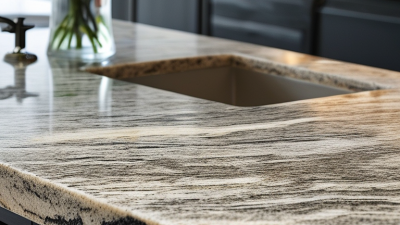
The U.S. Geological Survey’s 2025 Mineral Commodity Summaries identifies limestone and related carbonate stone as major dimension-stone materials in construction. Industry guidance from the Natural Stone Institute also emphasizes absorption, finish, and chemical sensitivity when selecting stone. These factors matter more than hardness alone. A polished marble countertop can show etching from lemon juice. An unsealed limestone floor may darken after a spilled drink. Real projects reveal this quickly.
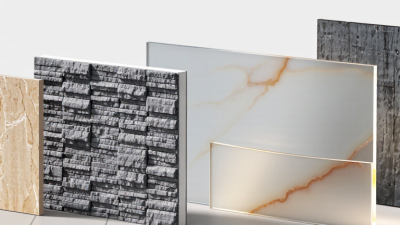
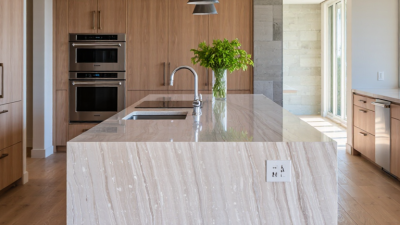
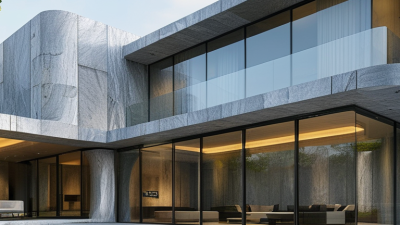
Soft stone is valued for its warm texture and workable surface. Carvers can form rounded edges with less effort. Designers often use it for fireplaces, wall cladding, vanity tops, and Soft Stone Wall Panels. Yet softer surfaces need suitable sealers, gentle cleaners, and realistic maintenance plans. A dense stone may perform well in a bathroom, while porous stone may struggle near constant water. Classification is imperfect. Even stones from the same quarry can absorb moisture differently, so testing a sample remains essential.
How Soft Stone Is Classified by Composition and Texture
What Are the Top Types of Soft Stone?
Soft stone is not a strict geological category. It usually describes stone that cuts, scratches, or absorbs moisture more easily than granite. Classification depends on both composition and texture. This distinction matters.
Limestone is mainly composed of calcite, a relatively soft mineral. Its surface may show tiny fossils, open pores, or pale mineral bands. Travertine is also calcium-based, but it often contains visible holes formed by ancient water movement. Those cavities can create a warm, weathered appearance, although they may require careful filling and sealing. Marble forms when limestone changes under heat and pressure. It contains interlocking calcite crystals and may feel smoother, yet it can still scratch or react with acidic cleaners.
Soapstone contains a high amount of talc, which gives it a notably low hardness and a soft, almost silky touch. Slate has a layered structure created by aligned minerals, so its texture may split along natural planes. Not all slate behaves equally; mineral content changes its strength and water resistance. Texture changes everything.
During practical material checks, I look for powdery edges, uneven pores, and scratches near corners. A polished surface can hide weaknesses that become obvious after cutting. I have also found that hardness alone gives an incomplete picture. A dense limestone may outperform a harder-looking stone in one setting, while its absorption causes problems elsewhere. Climate, finish, thickness, and maintenance should be judged together.
Top Types of Soft Stone: Classification by Composition and Texture
Soft stone is commonly classified by mineral composition and surface texture. The chart compares representative Mohs hardness values: lower values indicate softer materials. Natural variation occurs because quarry location, mineral content, grain size, and weathering can affect hardness.
| Stone |
Primary composition |
Typical texture |
Representative Mohs hardness |
| Soapstone |
Talc-rich metamorphic rock |
Very smooth, soapy, fine-grained |
1 |
| Alabaster |
Fine-grained gypsum |
Smooth, translucent, dense |
2 |
| Limestone |
Mostly calcite |
Fine-grained to fossil-bearing |
3 |
| Travertine |
Calcite deposited from mineral springs |
Porous, layered, often pitted |
3 |
| Marble |
Recrystallized calcite or dolomite |
Crystalline, compact, veined |
3–4 |
| Slate |
Fine-grained metamorphic silicate minerals |
Layered, planar, naturally cleavable |
3–4 |
Soapstone: The Durable Stone with a Smooth, Tactile Surface
Soapstone is one of the most practical soft stones for kitchens, utility rooms, and fireplace surrounds. Its smooth, tactile surface feels warm and slightly silky under the hand. That sensory quality is difficult to capture in photographs. The stone contains talc, which gives it softness and helps it resist heat. It also absorbs little water, making daily cleanup straightforward.
In real homes, soapstone develops a deeper, richer tone as it ages. Light gray surfaces may become charcoal near frequently touched edges. Mineral oil can darken the color temporarily and reveal the stone’s pattern. However, soapstone is not scratch-proof. A dropped pan or rough ceramic base can leave a mark. Many scratches can be sanded gently, though matching the surrounding finish takes patience. I would not call it maintenance-free. That claim oversimplifies the material. Compared with
Stone Veneer Stone, soapstone offers a solid, substantial surface rather than a thin decorative layer.
Tips: Ask for a sample before ordering. Hold it near a window and inspect both wet and dry colors. Use a cutting board, even though soapstone tolerates heat. Wipe spills promptly when they contain oils, because dark patches may appear unevenly. For installation, confirm cabinet support and precise seam placement with a qualified fabricator. Small details matter.
Limestone: A Versatile Stone Formed from Sedimentary Materials
Limestone is one of the most adaptable soft stones, formed from compressed sedimentary materials such as shells, mineral grains, and ancient marine deposits. Its texture can range from fine and smooth to visibly grainy, depending on its geological origin. In building inspections, I look for open pores, hairline cracks, and uneven coloring before recommending it. These details often reveal how the stone may respond to moisture, frost, and daily wear.
Its pale shades can brighten patios, garden walls, façades, and interior floors. Limestone also cuts cleanly, making it practical for steps, edging, and carved details. However, it is softer than granite and may scratch or absorb stains more easily. A neglected surface can age badly. That is worth remembering. For rustic landscaping,
Dry Stone Wall Stone
made from dense limestone can create strong, natural-looking courses without excessive visual weight. Properly selected pieces should have stable edges and limited flaking.
Tips: Ask for the stone’s absorption and frost-resistance information before installation. Test a small sample with water and a mild cleaning solution. Avoid harsh acids, even when marks seem stubborn. For outdoor work, design a slight slope so rainwater moves away from joints. I would also inspect the stone after one wet season, because early changes may expose installation weaknesses that looked harmless at first.
Travertine: A Porous Stone Shaped by Mineral Springs
Among the top types of soft stone, travertine stands out for its warm texture and natural variation. It forms when mineral-rich spring water deposits calcium carbonate over time. Tiny cavities remain in the surface, creating its recognizable pores and layered appearance. Colors range from ivory and cream to honey, rust, and muted gray. Each slab can show small holes, cloudy bands, or fossil-like marks.
In kitchens, bathrooms, and covered patios, travertine adds an earthy, calm character. Its porous structure also demands practical care. Unfilled travertine may collect dust, soap, or moisture in its openings. A professional installer should inspect the stone, substrate, and drainage before placement. Sealing helps reduce staining, but it does not make the surface maintenance-free. I have found that sample testing is essential because one finish may darken unevenly after sealing. That result can be disappointing. It also teaches an important lesson: natural stone rarely behaves like a factory-made surface.
Tips:
Choose honed or filled travertine for easier daily cleaning. Wipe spills quickly, especially coffee, oil, and acidic drinks. Use a pH-neutral cleaner and avoid vinegar-based products. Check grout lines regularly for cracking or trapped moisture. Outdoors, select a textured finish for better grip and allow water to drain away. Keep spare pieces from the original installation, since future repairs may struggle to match the stone’s changing tones.
Slate: A Layered Stone with Natural Splitting Properties
Slate is one of the most distinctive types of soft stone. It forms in thin geological layers, which give it a naturally split surface. In practical work, I have seen a clean slate fracture follow its grain with surprising accuracy. I have also misjudged weak edges and caused unnecessary breakage. Slate is softer than granite, but its durability varies by mineral content, thickness, and quarry location. A dense piece may withstand years of foot traffic, while a fragile piece may flake near corners. This variation makes hands-on inspection essential.
Tips: Tap the surface gently and listen for a clear, solid sound. Check the edges for powdery layers or hidden cracks. For Thin Stone applications, confirm the backing and installation method before cutting. Use a sharp tool and allow the material to separate along its natural plane. Do not force it.
Slate can bring quiet texture to floors, walls, hearths, and garden features. Its gray, green, purple, or charcoal tones often change under daylight. A wet surface may reveal colors that look dull when dry. However, slate needs suitable sealing in areas exposed to moisture or staining. Test a small, hidden section first. A finish that looks attractive on one sample may darken another unevenly. That detail is easy to overlook, and it deserves more attention during material selection.
Flexible Stone Wall Panel Decorative Sheets: A Market Outlook Based on Grand View Research Data
Flexible stone wall panel decorative sheets are gaining attention as architects and homeowners seek lighter, more adaptable alternatives to conventional masonry and rigid stone cladding. Grand View Research estimates that the global natural stone market was valued at approximately USD 33 billion in 2022 and is projected to grow at around 4.4% annually through 2030. This expansion reflects continued demand for durable, visually distinctive surfaces, while also highlighting the need for easier installation and more efficient material handling.
Ultra-light flexible stone veneer responds to these market priorities with a bendable, waterproof structure suitable for both interior and exterior walls. Its thin profile can reduce transportation and handling requirements, while its flexibility helps it adapt to curved columns, feature walls, ceilings, and other challenging surfaces. Compared with heavy stone products, the sheets can simplify installation and potentially reduce labor time, making them attractive for residential renovations, hospitality interiors, retail spaces, and façade applications.
Environmental performance is another important consideration in the evolving decorative-surface sector. A durable, weather-resistant panel can support longer replacement cycles and reduce maintenance demands over time. With natural stone-inspired textures, flexible installation options, and resistance to moisture and outdoor exposure, these decorative sheets align with market trends toward practical, low-maintenance, and resource-conscious building finishes.
FAQS
Soft stone is natural stone that cuts, scratches, or shapes more easily than granite or quartzite. The term is practical, not absolute. Marble, soapstone, limestone, travertine, and some sandstone may fit this group.
Marble commonly measures about 3 to 5 on the Mohs scale. Soapstone may measure around 1 to 2. Hardness does not predict every performance detail.
Porous stone can absorb spills and darken visibly. An unsealed limestone floor may change color after a spilled drink. Test a sample before making a final decision.
Dense stone may perform well in a bathroom. Porous stone may struggle near constant water. Sealing and regular cleaning help, but they do not remove every concern.
Soapstone feels smooth, warm, and slightly silky under the hand. It absorbs little water and tolerates heat well. Daily cleanup is usually straightforward.
No. A dropped pan or rough ceramic base can leave a mark. Many scratches can be sanded gently. Matching the surrounding finish requires patience.
Light gray areas may become charcoal near frequently touched edges. Mineral oil can temporarily darken the surface and reveal its pattern. Uneven dark patches may appear after oily spills.
Ask for a sample. Hold it near a window and compare wet and dry colors. Check cabinet support and seam locations with a qualified fabricator. Small details matter, though this advice cannot predict every installation problem.
Conclusion
Soft stone refers to natural stone that is relatively easy to cut, shape, carve, or finish compared with harder varieties. Its softness does not necessarily mean weakness; many types offer useful durability, distinctive textures, and attractive natural colors. Soft stone is commonly classified according to its mineral composition, geological formation, surface texture, porosity, and ability to split or absorb moisture. These characteristics influence how each stone is selected for walls, floors, countertops, decorative details, and other applications.
Soapstone is known for its smooth, tactile surface and strong resistance to heat, making it both practical and visually appealing. Limestone is a versatile sedimentary stone formed from accumulated materials and is valued for its gentle appearance and adaptability. Travertine develops around mineral springs, creating a porous surface with natural openings and varied patterns. Slate forms in layers and has natural splitting properties, allowing it to produce thin, textured pieces with a distinctive rugged look. Together, these stones demonstrate the range of textures, formation processes, and uses found among soft stone materials.
 +86 18942445383

 Contact Email