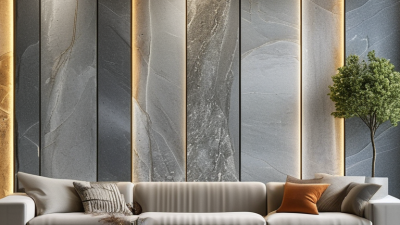
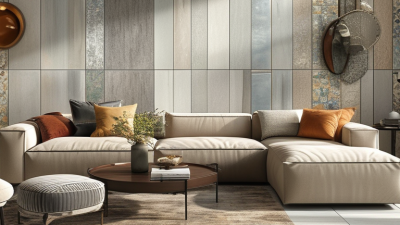
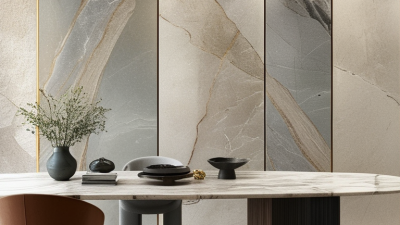
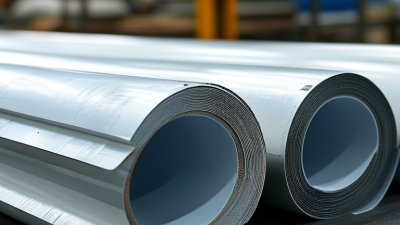
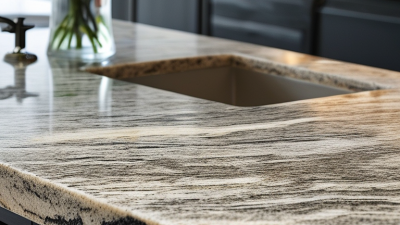
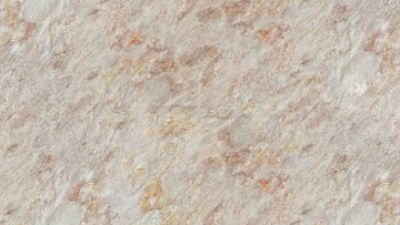
You know, as architects and designers keep pushing for all these new materials, flexible marble is really coming into its own — honestly, it’s a total game-changer. It’s celebrated for how versatile it is; you can smoothly mold it to fit just about any surface, which honestly opens up some pretty fresh aesthetic possibilities. I read somewhere that a recent report from the National Institute of Building Sciences pointed out that how adaptable your materials are actually plays a big role in making modern construction more sustainable. And flexible marble fits right into that vibe — it helps cut down on waste and can be cheaper than traditional stone, which is a win-win.
Plus, it’s really lightweight, so installing it is way easier and quicker, saving you time and money on labor. Some studies have shown that using flexible marble can cut the overall weight of a structure by around 30%, which definitely shakes up your design game in a good way. Brands like Marmi Serafini are pushing its potential even further, making flexible marble a solid choice whether you’re working on a cozy home or a big commercial space.
That said, it’s not perfect — you do need to be mindful of its limits. While flexible marble works really well in most scenarios, tough environmental conditions might give it a bit of a hard time. The trick is to use it thoughtfully, focusing on where its strengths really shine. All in all, investing in flexible marble can totally transform your spaces, blending beauty with functionality — honestly, it’s a pretty compelling option these days.
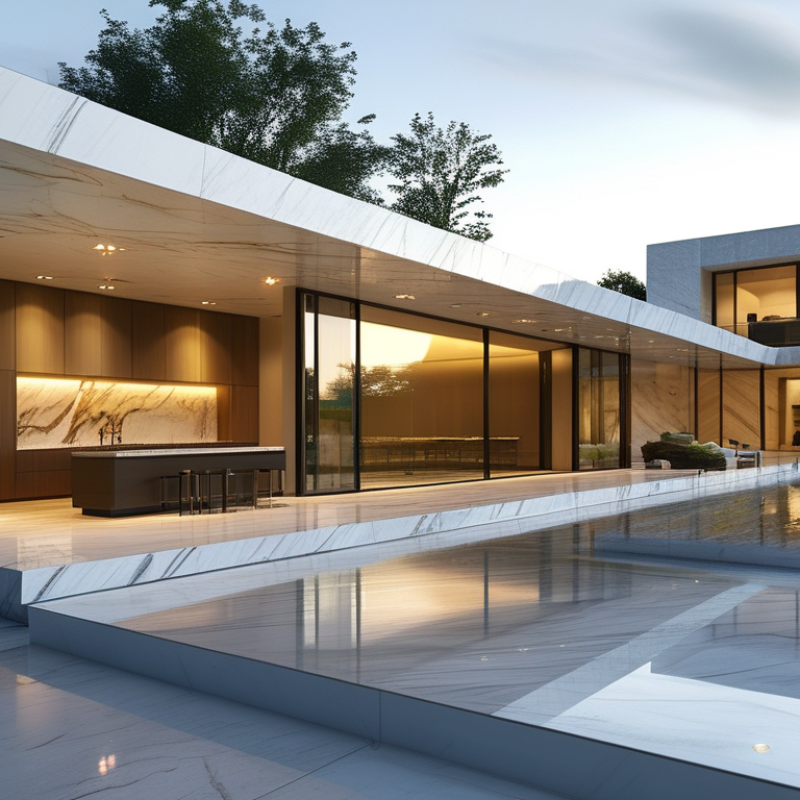
Benefits of Using Flexible Marble in Interior Design
Flexible marble is becoming a popular choice in interior design for its unique combination of beauty and versatility. This material mimics the traditional marble look but offers greater adaptability. It can be used on curved surfaces and in unconventional spaces where rigid marble would be impractical. Many designers appreciate this flexibility, allowing for more creativity in their projects.
In addition to its aesthetic appeal, flexible marble is often lighter than traditional stone. This not only simplifies installation but also reduces structural load on surfaces. It's true that some may question its durability compared to solid marble. While flexible marble is designed to be resilient, its composition can sometimes be more vulnerable to wear. Careful consideration of where and how it’s used is essential for maximizing its lifespan.
Moreover, flexible marble provides a sense of warmth and elegance that can elevate any room. It can be used in residential or commercial spaces, offering endless design possibilities. However, not all flexible marble is created equal. Buyers should be cautious about sourcing quality materials, ensuring they choose reliable suppliers. The balance between cost and quality is something worth considering.
Applications of Flexible Marble in Various Projects
Flexible Marble is gaining popularity in various projects due to its versatility and aesthetic appeal. In interior design, this material enhances spaces creatively. Flexible Marble can be used for wall coverings, allowing a seamless finish that mimics traditional marble. Designers often experiment with patterns and colors, creating unique environments that reflect personal styles. This adaptability is essential in modern design.
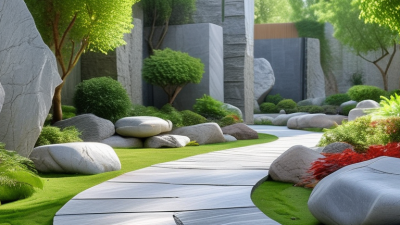
In commercial spaces, Flexible Marble shines as well. Reception areas, lobbies, and restaurants benefit from its elegant look. The lightweight nature makes installation easier, reducing labor costs. In outdoor settings, Flexible Marble can withstand various weather conditions, adding sophistication to patios and walkways. It is worth noting, though, that proper installation is crucial. Mistakes at this stage can lead to costly repairs.
Flexibility doesn't mean it is impervious to damage. Care must be taken to prevent scratches and stains. Regular maintenance is necessary to preserve its beauty over time. Overall, selecting Flexible Marble for your project invites a balance of beauty and practicality, catering to diverse design requirements while encouraging thoughtful execution.
Flexible Marble Applications in Various Projects
Comparing Flexible Marble to Traditional Marble Materials
Flexible marble has emerged as a popular alternative to traditional marble materials in contemporary design. Its lightweight nature allows for easy installation on various surfaces. Unlike rigid marble, Flexible Sheet can be cut and shaped to fit unconventional spaces, making it ideal for creative applications. This adaptability opens up numerous possibilities for designers and homeowners looking to achieve a unique aesthetic.
However, there are ongoing discussions about the durability of Flexible Sheet. Some users report challenges with wear over time, especially in high-traffic areas. Traditional marble, known for its longevity, often outlasts its flexible counterpart. Furthermore, concerns surrounding maintenance arise. While Flexible Marble can be easier to handle, it may require special cleaning products to maintain its appearance.
Investing in Flexible Sheet demands careful consideration. The ease of installation brings convenience, but the long-term functionality may vary. Ultimately, choosing between flexible and traditional marble materials depends on project needs and personal preferences. As the demand for versatility grows, a thorough understanding of both options is essential.
Why Choose Flexible Marble for Your Next Project? - Comparing Flexible Marble to Traditional Marble Materials
| Feature |
Flexible Marble |
Traditional Marble |
| Weight |
Lightweight |
Heavy |
| Installation |
Easy and fast installation |
Requires professional installation |
| Flexibility |
Highly flexible and adaptable to curves |
Rigid and less adaptable |
| Cost |
Generally more affordable |
Higher cost |
| Durability |
Resistant to cracking and chipping |
Prone to cracking and chipping |
| Application |
Indoor and outdoor use |
Primarily indoor use |
| Maintenance |
Low maintenance |
Higher maintenance required |
Installation Process and Techniques for Flexible Marble
Flexible marble offers a unique solution for various design projects. The installation process differs significantly from traditional marble. Begin by preparing your surface carefully. Clean it thoroughly to ensure proper adherence. A smooth surface is vital for the best results.
Next, cut the flexible marble sheets to your desired size. Use a sharp utility knife for precision. Pay attention to the cutting technique; uneven edges can lead to issues later on. When applying adhesive, a thin, even layer is crucial. Too much glue can cause bubbles, affecting the finish.
During the installation, pressure is your ally. Firmly press the marble into place to eliminate air pockets. This can be a challenging step, requiring patience and care. Once set, trim any excess material with caution. Monitor the drying time closely, as rushing this process can result in peeling or misalignment. Each of these steps demands attention and can be a source of reflection on improvement.
Maintenance and Care Tips for Flexible Marble Surfaces
Caring for flexible marble surfaces requires attention to detail. Regular cleaning helps maintain their beauty and durability. Use a damp cloth to wipe away dust and debris. Avoid harsh chemicals, as they may damage the surface. Instead, opt for mild detergents. They will clean without causing harm.
For more significant stains, a gentle scrub with a soft brush can work wonders. Keep in mind that some stains may require professional treatment. It’s essential to test any cleaning solution in an inconspicuous area first. This precaution can prevent unexpected damage. Keeping the flexible marble dry also helps reduce the risk of water stains and mold.
Consider applying a sealant periodically. This protects the surface and enhances its shine. Proper maintenance reflects a commitment to quality. Neglect can lead to irreversible damage over time. A little effort goes a long way in preserving the elegance of flexible marble. It can transform your space into a stunning environment. Balancing care and aesthetic appeal can seem challenging, but it's worth the effort.
Cost Considerations: Is Flexible Marble Worth It?
When considering a project, cost is a key factor. Flexible marble offers unique advantages, but is it worth the price? Some reports indicate that flexible marble tiles can save up to 30% on installation costs compared to traditional stone. This is primarily due to reduced labor and material costs. They are lighter and easier to install, which can lead to quicker project completion.
However, flexible marble usually comes with a higher upfront cost. Prices can range from $30 to $80 per square foot. It's essential to compare this with other options. Sometimes, the long-term benefits outweigh initial expenses. The lifespan of flexible marble can exceed 25 years, making it a viable investment. This longevity often leads to lower overall costs when you factor in maintenance and replacement.
When using Flexible Veneer, consider how it fits into your design. It can provide a stunning visual impact while also being cost-effective. Think carefully about the specific areas where you will use it. Imperfections in the application can detract from its beauty.
Prioritizing quality installation is crucial. Poorly installed flexible marble can lead to peeling or cracking. Always work with experienced professionals to ensure the best results. Balancing aesthetics and costs is vital. Plan your budget carefully to make the most out of your investment in flexible marble.
Sustainability Aspects of Flexible Marble Products
Flexible marble has gained popularity due to its sustainability benefits. According to recent industry reports, flexible marble products reduce waste significantly. Traditional marble extraction often leads to substantial environmental degradation. In contrast, flexible marble utilizes advanced engineering to minimize resource consumption. This method allows for more efficient use of materials, providing an eco-friendly alternative.
A study published by the Green Building Council reveals that natural stone products, including flexible marble, have a lower carbon footprint compared to conventional materials. The manufacturing process emits less CO2, promoting a healthier environment. Additionally, flexible marble can be produced with recycled materials, enhancing its attractiveness in sustainable building practices.
While the benefits are evident, challenges remain. The market lacks a standardized assessment for flexible marble's environmental impact. Some products may still contain harmful resins or adhesives, which could undermine sustainability efforts. Therefore, choosing certified sources is critical to ensure environmental integrity. This reflection leads to a crucial question: are we scrutinizing the sustainability claims made by manufacturers effectively?
Enhancing Your Space: The Elegance of Pale Beige Scattered Gold Spot Flexible Stone Wall Panels
Elevate your living space with the stunning elegance of pale beige scattered gold spot flexible stone wall panels. This innovative design features a clean pale beige base adorned with subtle golden mineral spots, creating a serene and sophisticated natural aesthetic. The texture mimics a fresh, tranquil landscape, making it a perfect choice for those who appreciate understated luxury in their home décor.
Not only visually appealing, these ultra-thin and lightweight panels are also remarkably versatile and practical. Made from eco-friendly materials with an A2 fireproof grade, they meet safety standards while contributing to environmental consciousness. Their bendable nature allows for easy application in various outdoor settings, such as garden step side walls, villa outer enclosures, and courtyard landscape boundary walls. With robust resistance to outdoor elements, including waterproofing and anti-UV properties, these panels withstand weather challenges while maintaining their beauty, making them an ideal choice for any landscape renovation project. Transform your outdoor space with these elegant wall panels, and enjoy a blend of style and functionality.
FAQS
: Flexible marble is a versatile material that mimics traditional marble yet is lighter and adaptable.
Flexible marble is resilient but may wear faster than traditional marble, especially in busy areas.
Yes, flexible marble easily fits curved surfaces and unconventional spaces that rigid marble cannot.
Flexible marble can save installation costs but usually comes with a higher upfront price per square foot.
It may need special cleaning products to maintain its appearance and should be handled carefully.
It's important to source quality materials and choose reliable suppliers to ensure durability.
Absolutely, it offers warmth and elegance, enhancing the aesthetic of residential and commercial spaces.
Its lifespan can exceed 25 years, potentially making it a good long-term investment for many projects.
Poor installation can cause peeling or cracking, so hiring experienced professionals is crucial.
While it has a higher initial cost, its longevity and reduced maintenance can make it a cost-effective choice.
Conclusion
Flexible marble is an innovative material that brings numerous benefits to interior design projects. Its versatility allows for a wide range of applications, from wall cladding to decorative accents, making it an excellent choice for both residential and commercial spaces. Compared to traditional marble, flexible marble offers easier installation and maintenance, as well as a lighter weight, which can simplify the renovation process.
The installation techniques for flexible marble are straightforward, enabling quicker project turnaround times. Maintenance is also simple, requiring only basic care to preserve its aesthetics and durability. When considering costs, flexible marble presents an economical option without compromising on style or quality. Additionally, its sustainable production methods make it an environmentally responsible choice, appealing to eco-conscious designers and homeowners alike. Ultimately, flexible marble stands out as a practical and stylish alternative for modern interior design needs.
 +86 18942445383

 Contact Email