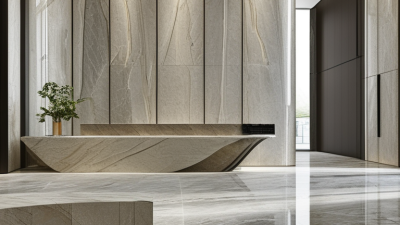
You might have heard of Stone Veneer Stone, but these days, it’s not just about adding some visual flair. People are using it for lighter construction, creating a seamless look, and even speeding up upgrades to building exteriors. According to Grand View Research, the global stone veneer market was worth around USD 2.4 billion in 2023. And that number is expected to keep growing steadily through 2030 — mainly because of home renovations and new commercial projects.
But, hold on — all those numbers don’t tell the whole story. Market forecasts can differ quite a bit depending on how you define the product, what region you’re talking about, and the installation methods used. A single figure isn’t enough to guarantee it’s a solid long-term investment. That’s why organizations like the Natural Stone Institute stress the importance of choosing materials responsibly and making sure installations are done by qualified folks. Brent Anderson, a well-known educator in the stone industry, always likes to remind us, “Stone is a natural product, and every piece is unique.” That really hits home in any real project.
Picture this: a townhouse entrance with thin veneer panels, uneven mortar joints, and shadows stretching across the surface in the late afternoon. It might look quite authentic at first glance, but there’s a catch — if drainage isn’t up to snuff, costly issues can pop up later. That’s why it’s crucial to follow ASTM standards, manufacturer guidelines, and local building codes. Experienced installers don’t just stack stone; they also check the strength of the substrate, make sure flashing and water management are in place, and consider freeze-thaw cycles.
Here’s the takeaway — Stone Veneer Stone is a great way to add texture without the weight of full masonry. But before you jump in, it’s worth comparing factors like embodied impacts, maintenance needs, how far the material has traveled, and how long it’s expected to last. Some brands really shine, performing reliably over time, while others can fall short if installed hastily or taken shortcuts.
In this chat, we’ll look into those differences more closely. I’ll connect the dots between market trends, real-world experiences, material testing, and smart design choices. The truth? It’s not always about choosing the most dramatic or expensive stone. Sometimes, a quieter, more understated option actually does the job better in the long run.
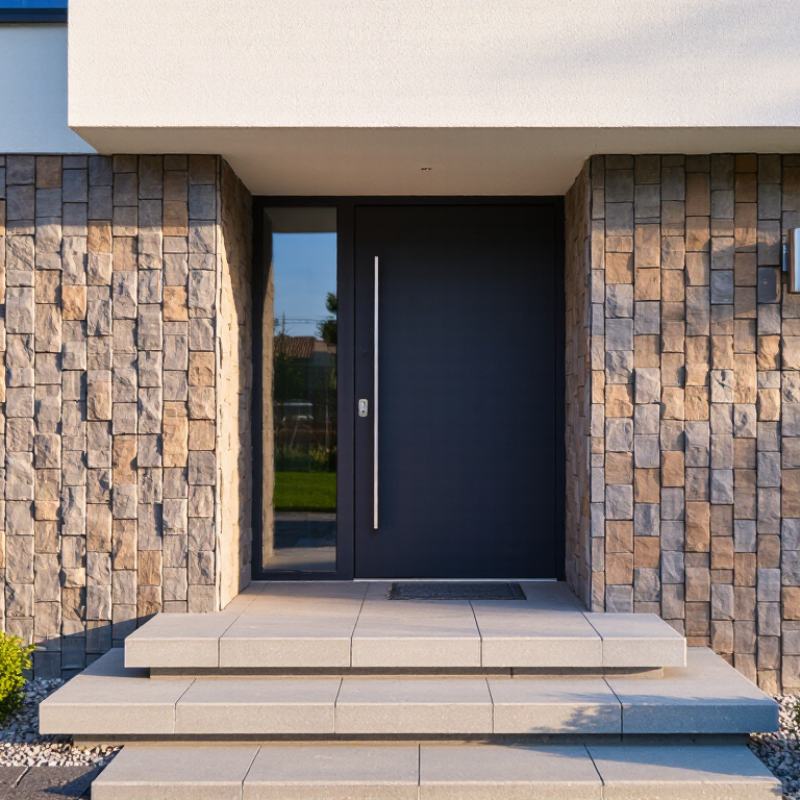
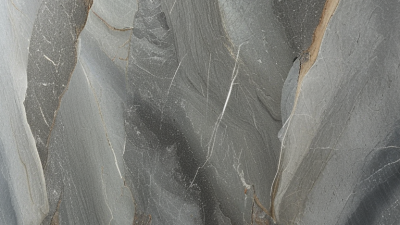
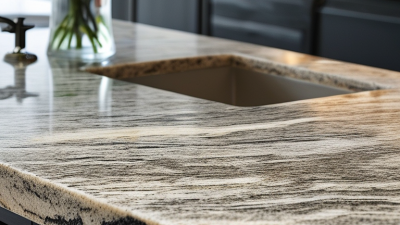
Stone Veneer can give a project the texture of quarried stone without requiring full-thickness masonry. The term covers more than one material. Natural stone veneer is cut from real stone, so each piece shows authentic mineral patterns, clefts, and color variation. Manufactured stone veneer is molded from cementitious materials and mineral aggregates. It is lighter and often offers more consistent shapes, but its appearance depends heavily on skilled casting and installation.
Material selection should begin with the wall, climate, and installation method. On a renovation site, I would inspect the substrate, flashing, weep details, and drainage path before choosing a finish. A beautiful veneer can still fail when water becomes trapped behind it. Natural stone may need careful sorting because thickness and texture can vary from piece to piece. Manufactured units usually simplify layout, though small differences between batches can remain. Always request a sample panel.
ASTM C1670/C1670M provides requirements for adhered manufactured stone masonry veneer units, including material performance and testing considerations. It supports more reliable specifications, but it does not replace local building codes or proper installation practice. Confirm the current edition, project conditions, and compatible mortar system with a qualified professional. I have seen plans focus too much on color and too little on movement joints. That is an easy mistake. Stone still moves. The wall still gets wet.
A Stone Veneer Wall can create a substantial appearance without carrying the weight of full-depth masonry. Typical stone veneer profiles measure about 1–2 inches deep. This reduced thickness lowers the dead load transferred to framing, foundations, and supporting ledges. It can also simplify installation around doors, windows, and existing structures.
On site, the real benefit becomes visible during layout. Crews can handle smaller pieces more easily, while walls require less projection from the building face. However, lighter does not mean structurally independent. The substrate must resist wind pressure, fastener forces, moisture movement, and the veneer’s actual weight. Manufacturer data, local code requirements, and project-specific engineering should guide the attachment method. A rushed wall check can create expensive problems later.
Tips: Confirm the wall assembly before ordering materials. Check the substrate, drainage space, flashing, and fastening schedule. A 1-inch profile may reduce load, but it still needs continuous support where required. Use a physical sample to inspect corners, joints, and color changes in daylight. Small details matter. I have found that drawings often miss uneven surfaces, especially during renovation work. Leave room for field adjustments, and document any change before installation continues.
Stone veneer suits projects that need texture without the weight of full masonry. On exteriors, it can frame entryways, cover foundation walls, or create a durable porch feature. Brick Stone Veneer also works well around garages and garden walls. According to Zonda’s 2024 Cost vs. Value Report, manufactured stone veneer recovered about 153.2% of its installation cost nationally. That figure is encouraging, but local labor and material prices can change the result. Stone veneer is not a universal fix.
Indoors, veneer adds visual depth to kitchens, media rooms, and narrow hallways. A fireplace remains its strongest application. However, heat exposure demands careful planning. NFPA 211 provides clearance and installation guidance for fireplaces, chimneys, and solid-fuel appliances. The veneer itself must not replace a required noncombustible assembly. Around a gas fireplace, installers should follow the appliance manufacturer’s tested clearances. Small details matter. Uneven joints can collect dust. Poor drainage can stain exterior surfaces. I have seen attractive samples fail when moisture management was ignored.
Tips:
Confirm the substrate before ordering stone. Use a qualified installer familiar with ASTM C1670 and local building requirements. Request a physical sample in morning and evening light. For accents, limit the veneer to one visual anchor, such as a fireplace wall or entry column. Leave movement joints where the wall system requires them. A slightly imperfect color blend often looks more natural than a perfectly repeated pattern.
Stone veneer can improve a project’s appearance without the weight of full masonry. Zonda reported a 153.2% return on investment for manufactured stone veneer in 2023. That figure makes the material worth serious consideration. However, it is not a guaranteed payoff.
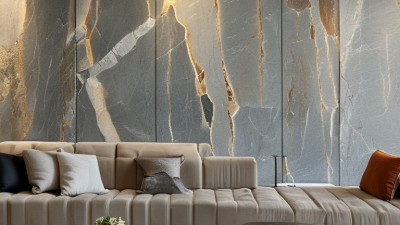
A high return depends on design, installation quality, and local buyer expectations. In my experience, carefully matched colors look more convincing than overly uniform patterns. Slate Stone Veneer can create a layered exterior with dark edges, varied textures, and a natural shadow line. It works well around entryways, garden walls, fireplaces, and selected facade sections.
Details matter. A contractor should inspect the wall, manage moisture, and follow the correct drainage and flashing practices. Poor preparation can lead to staining, movement, or expensive repairs. Those risks can weaken the project’s actual value. The 153.2% figure also reflects reported market conditions, not every home or renovation budget. That deserves caution.
Think about the street view. A modest stone accent near the front door may add more impact than covering every wall. Measure material waste before ordering. Keep extra pieces for future repairs. Real projects rarely stay perfect. Weather changes color, joints need attention, and personal taste can shift over time. A durable installation still needs thoughtful maintenance.
| Data Dimension | Reported or Derived Data | What It Indicates |
|---|---|---|
| Project category | Exterior manufactured stone veneer | A visible exterior improvement that can strengthen curb appeal and perceived property quality. |
| Report year | 2023 | The performance figure reflects the 2023 remodeling market analysis. |
| Reported return on investment | 153.2% | The reported resale value was equivalent to 153.2% of the project cost. |
| Illustrative project-cost basis | $10,000 | A simple reference amount used to show how the reported percentage translates into dollars. |
| Illustrative value recovered | $15,320 | Calculated as $10,000 × 153.2%; actual results vary by location, project scope, and market conditions. |
| Illustrative value above project cost | $5,320 | Calculated difference between the illustrative recovered value and the $10,000 project-cost basis. |
| Value-supporting factors | Curb appeal, visual character, and exterior finish quality | These factors can improve first impressions and contribute to buyer-perceived value. |
| Important limitation | Market-dependent outcome | ROI is an industry estimate, not a guaranteed resale return; installation quality, regional pricing, maintenance, and housing demand affect results. |
Note: The $10,000 examples are arithmetic illustrations based on the stated 153.2% figure and are not presented as average project costs.
Choosing stone veneer requires more than comparing color and texture. ASTM C1670 addresses requirements for adhered manufactured stone masonry veneer units, including physical performance and product consistency. ASTM C1780 focuses on installation methods, such as substrate preparation, mortar placement, joint treatment, and weather detailing. These standards help connect a attractive surface with dependable construction. The wording matters.
ICC-ES acceptance criteria may provide another layer of technical evaluation. They can address testing, durability, attachment, and installation conditions for specific veneer systems. However, an evaluation report does not replace the adopted building code or the project designer’s judgment. Local requirements still control. In field work, I have seen small details cause large problems, especially missing flashings or poorly prepared sheathing. That part deserves more attention.
Tips: Ask for current test data and installation instructions before ordering materials. Confirm whether ASTM C1670 and ASTM C1780 apply to your selected system. Check the local code official’s requirements, including water management and fire performance. Keep photos of substrate preparation and mortar coverage. It feels minor, but documentation can reveal mistakes early. No project is perfectly predictable. A careful review may still miss something.
Stone veneer can give a project the texture and character of natural masonry, but its performance depends on careful installation details. The visible stone is only one part of the wall system. I begin by reviewing the drawings, substrate, exposure, and local code requirements before selecting materials.
Flashing should direct water away from openings, ledges, and the wall base. Install it with positive laps, sealed transitions, and clear discharge paths. Do not bury the weeps. A drainage space behind the veneer needs unobstructed airflow and a properly installed weather-resistant barrier. I once treated a narrow drainage gap as a minor detail; later, trapped moisture proved otherwise. That mistake changed how I inspect every corner and window head.
Mortar selection should match the veneer, substrate, and environmental conditions. Excess water can weaken the mix and create inconsistent color. Apply mortar fully, while avoiding hollow spots behind each piece. Mortar joints should have consistent depth and should be tooled after the surface becomes thumbprint firm. Smearing mortar across the stone face makes cleanup harder. Very hard joints can also restrict movement and encourage cracking. Provide movement joints where the design or structural conditions require them, especially near corners, openings, and material changes. Seal compatible joints carefully, but do not block drainage openings. These details may feel slow during installation. They are cheaper than repairing concealed water damage. Review the work under changing light and weather; small gaps often become obvious then.
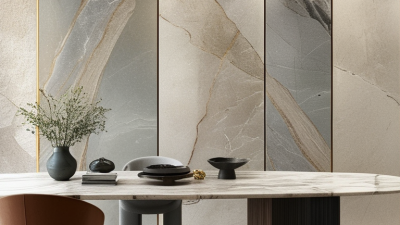
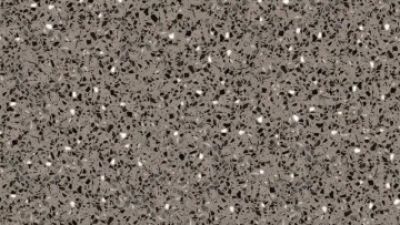
Dark Grey Terrazzo Flexible Stone Wall Panels bring a refined industrial character to modern interiors. Their matte neutral dark grey cement base is enriched with a balanced blend of black and fine white stone chips, creating a subtle multi-color terrazzo effect. The evenly distributed aggregate gives each panel a stable, contemporary texture while adding visual depth to feature walls, corridors, and large-scale interior surfaces.
Made from ultra-thin, lightweight eco-friendly inorganic composite materials, these flexible panels can bend easily around gentle curves and be cut and pasted with minimal effort. They meet the A2 fire-resistance standard and offer excellent wear resistance, stain resistance, and aging performance for demanding environments. Suitable for commercial shop background walls, office aisle cladding, industrial-style homes, and public-space renovation projects, they combine practical durability with an understated, stylish appearance. Their slim construction also helps simplify installation while supporting creative wall decoration across a wide range of modern design concepts.
A 2023 industry report recorded a 153.2% return on investment for manufactured stone veneer. That figure is not guaranteed. Results depend on design, installation, neighborhood expectations, and renovation costs. A smaller accent may outperform a full-wall treatment.
Consider the entryway, fireplace, garden wall, or one facade section. Dark edges and varied textures can create realistic shadow lines. Covering every wall may look heavy or repetitive. Street view matters.
Match colors to the roof, windows, paving, and surrounding homes. Slight variation usually looks more natural than identical pieces. Ask for samples outdoors. Indoor lighting can mislead your judgment.
Review the substrate, wall exposure, drawings, and local construction requirements. Check openings, ledges, corners, and the wall base. Plan moisture control before placing visible stone. I once underestimated a narrow drainage gap. That mistake changed my inspections.
Flashing should move water away from windows, ledges, openings, and the wall base. Use positive laps, sealed transitions, and clear discharge paths. Keep weep openings unblocked. A continuous drainage space and weather-resistant barrier help moisture escape.
Choose mortar for the veneer, substrate, and local weather conditions. Use the correct water amount. Apply mortar fully, without hollow areas behind the pieces. Tool joints when they become thumbprint firm. Very hard joints may restrict movement and encourage cracks.
They may be needed near corners, openings, and changes between materials. Follow the design and structural requirements. Seal compatible joints carefully. Never seal over drainage openings. Small shortcuts can create large repairs.
Measure carefully before ordering, including likely cutting waste. Keep spare pieces for future repairs. Inspect color changes, joints, stains, and movement after severe weather. Review the wall under different light. It will not stay perfect. That is normal.
Stone Veneer Stone is a practical design and construction option that combines the visual appeal of masonry with a lighter, more adaptable profile. It may be made from natural stone or manufactured materials, and typical one- to two-inch profiles can help reduce wall loads while supporting efficient installation. This versatility makes stone veneer suitable for exterior façades, interior feature walls, fireplaces, entryways, and decorative accents.
A well-designed stone veneer system can also contribute to property value, with a 153.2% return on investment reported in 2023. Proper specification is essential: projects should consider applicable requirements such as ASTM C1670, ASTM C1780, and relevant evaluation criteria. Installation details should address flashing, drainage, mortar selection, joint design, substrate preparation, and moisture management. When these elements are coordinated, stone veneer can provide durable performance, attractive visual character, and reliable long-term value across a wide range of residential and commercial applications.