+86 18942445383

Leave Your Message
-
Contact WhatsApp
-
 Contact Email
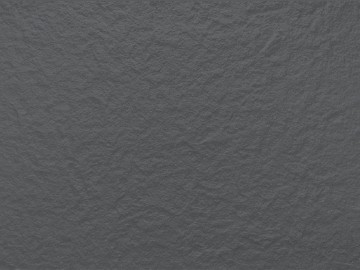

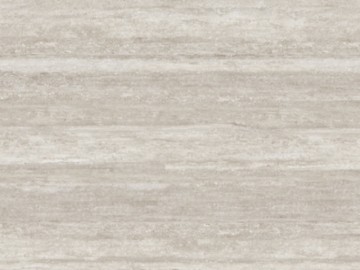
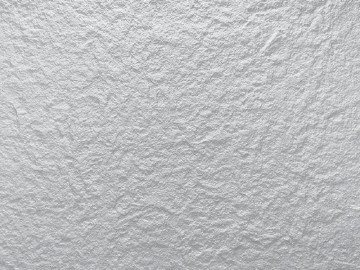
In the contemporary urban landscape, high-rise buildings stand as monuments of engineering and architectural prowess. However, as these structures age, their exterior envelopes face severe environmental degradation. Traditional exterior wall stone materials, while aesthetically pleasing, present significant challenges during renovation phases. The commercial and industrial demand for safer, lighter, and more durable cladding alternatives has led to a paradigm shift in how facade retrofitting is approached globally.
High-rise building exterior facade renovation is no longer just about restoring visual appeal; it is a complex intersection of structural engineering, safety compliance, thermal efficiency, and environmental sustainability. Traditional heavy stone slabs require heavy-duty mechanical anchors, which impose immense load-bearing stress on aging structural frames. Furthermore, the risk of adhesive failure leading to falling stone tiles in densely populated urban centers has prompted regulatory bodies worldwide to enforce stricter safety codes. Consequently, the commercial sector has turned its attention to advanced materials like flexible stone panels.
Industrial Insight: Modern urban renewal projects demand materials that minimize structural load, accelerate construction timelines, and eliminate the safety risks associated with traditional heavy masonry. Flexible stone panels represent the technological pinnacle of this material transition.
The global market for building facade renovation is expanding rapidly, driven by the dual pressures of urbanization and aging infrastructure. Several prominent trends are shaping the industry today:
Governments in major metropolitan areas are increasingly banning or heavily restricting the use of heavy ceramic tiles and thick natural stone panels on high-rise exteriors. The risk of detachment due to thermal expansion, wind loads, and seismic activities is a primary concern. Lightweight flexible stone cladding, which bonds seamlessly to the substrate without the need for mechanical anchoring systems, has become the preferred choice for compliance with these updated safety directives.
With global initiatives aiming for carbon neutrality, developers and asset managers are seeking materials with low embodied energy. Traditional quarrying, processing, and transporting of heavy natural stone generate substantial carbon footprints. In contrast, flexible stone panels utilize eco-friendly polymer composites and thin mineral layers, drastically reducing resource consumption and transport-related emissions, helping projects achieve LEED or BREEAM certifications.
Renovating an occupied high-rise building presents logistical nightmares. Traditional stone installation requires extensive scaffolding, heavy cranes, and prolonged construction schedules. Flexible stone panels, due to their lightweight and thin profile, allow for rapid installation directly over existing substrates in many cases, minimizing noise, dust, and disruption to tenants while substantially lowering labor and logistics costs.
Lightweight design (only 3-4 kg/m²) eliminates the risk of gravity-induced detachment, making it ideal for high-rise applications.
Easy to cut, bend, and apply, reducing project timelines by up to 50% compared to traditional dry-hung stone.
Low carbon footprint manufacturing process utilizing natural mineral powders and advanced polymers.
The versatility of flexible exterior wall stone allows it to solve complex architectural challenges across various high-rise renovation scenarios:
Modern high-rise architecture often features sweeping curves, organic shapes, and complex geometric facades. Traditional stone is rigid and requires expensive, time-consuming CNC cutting to fit curved surfaces, often resulting in heavy joints and potential water ingress points. Flexible stone panels can bend naturally around columns, arches, and curved walls without cracking, providing a seamless, continuous stone texture that flows with the building's organic lines.
High-rise buildings in coastal or seismically active regions are subject to continuous structural movement, wind deflection, and vibration. Rigid stone tiles are prone to cracking and adhesive failure under these dynamic loads. Flexible stone possesses inherent elasticity, allowing it to absorb structural micro-movements and withstand extreme wind loads without cracking, peeling, or detaching from the facade.
Energy-efficient retrofitting often involves adding External Thermal Insulation Composite Systems (ETICS/EIFS) to the building envelope. Applying traditional heavy stone over insulation layers requires complex, expensive sub-frames that penetrate the insulation, creating thermal bridges. Flexible stone panels can be adhered directly onto the reinforced base coat of the insulation system, maintaining the integrity of the thermal envelope while providing a premium stone aesthetic.
AIXIN Flexible Stone is the core brand under Foshan Xinrise New Materials Co., Ltd., specializing in the R&D, production, customization and sales of high-performance flexible stone. With over a decade of industry experience, we are not only a building materials manufacturer, but also dedicated experts in the innovation and application of eco-friendly building materials. Guided by the vision of “redefining green building materials”, we continuously refine our formulas and processes to meet the evolving needs of modern architecture.
For years, we have observed that traditional facade materials often force an unnecessary compromise between design beauty and practical performance. Heavy, rigid stone and tiles are difficult to install on complex surfaces, while lighter alternatives often lack authentic texture and durability. This led us to ask: What if building finishes could offer the rich texture of natural stone, while being lightweight, eco-friendly, weather-resistant and durable, with no trade-offs at all?
Our answer is AIXIN Flexible Stone — the perfect balance of aesthetics and performance.
We believe great building materials should not only look stunning, but also stand the test of time, maintaining their beauty and integrity through changing seasons and environmental conditions.
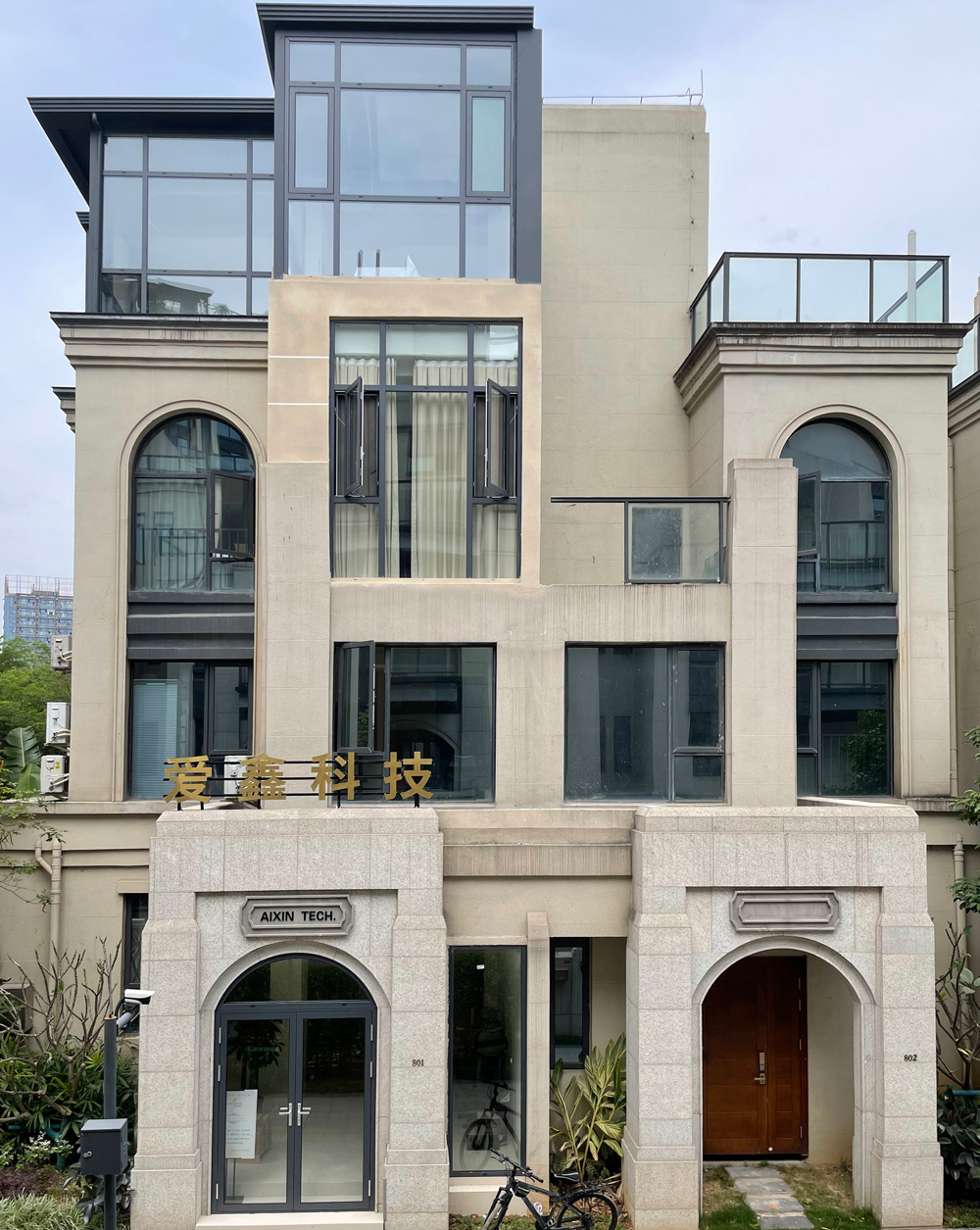
years of experience