+86 18942445383

Leave Your Message
-
Contact WhatsApp
-
 Contact Email
Engineered specifically to meet the wind load, safety, and aesthetic demands of modern high-rise exterior retrofits.
Urban density across the globe has triggered an unprecedented rise in high-rise construction. However, as these vertical structures age, their exterior envelopes degrade under the constant strain of environmental factors: UV radiation, extreme temperature fluctuations, seismic events, and high-velocity wind loads. Historically, the architectural industry relied heavily on materials like natural stone slabs, thick ceramic tiles, glass curtain walls, or aluminum composite panels (ACP) for both new builds and retrofits. While structurally sound when newly installed, these traditional materials present significant challenges during high-rise building exterior facade renovations.
The primary concern is safety. Heavy ceramic tiles and stone slabs are prone to adhesion failure over time. When a tile detaches from the 20th floor of a building, it becomes a lethal projectile. Consequently, building codes worldwide are becoming increasingly strict, with many municipalities banning the use of heavy wet-installed tiles on high-rise facades. This regulatory shift, combined with a global push toward carbon neutrality and energy efficiency, has created a demand for lightweight, flexible, and durable alternatives. Enter Flexible Tiles (also referred to as flexible stone or modified clay materials)—a revolutionary technology that is redefining the commercial and industrial landscape of urban facade retrofitting.
The commercial market for flexible tiles in high-rise building exterior facade renovation is experiencing exponential growth. Real estate developers, municipal authorities, and asset managers are increasingly prioritizing sustainable materials that minimize disruption during installation. Traditional facade renovation often requires extensive scaffolding, heavy machinery, and months of loud, dusty labor. This translates to lost revenue for commercial properties and severe inconvenience for residential high-rises.
Flexible tiles, owing to their thin profile (typically 2mm to 5mm) and lightweight nature (around 3 to 6 kg/m²), can be applied directly over existing finishes—including old tiles, concrete, or plaster—without structural demolition. This "overlay" installation method reduces project timelines by up to 50% and slashes labor costs. Industrially, manufacturers are scaling up automated production lines to meet the massive demand from global urban renewal initiatives, particularly in Europe, East Asia, and North America, where aging post-war high-rises require rapid energy and aesthetic upgrades.
As we look toward the future of architecture, three major trends are shaping the development of flexible tiles for high-rise facade applications:
To fully appreciate the utility of flexible tiles, we must examine their performance in specific, high-stress architectural scenarios:
1. Extreme Wind Load and Shear Stress Zones: High-rise buildings are subject to intense wind pressures, especially at corner zones and upper floors. Traditional rigid materials do not flex; under wind-induced building sway, they can crack. Flexible tiles possess inherent elasticity. They move monolithically with the building substrate, absorbing shear stress and preventing micro-cracking or delamination under high negative wind pressures.
2. Integration with External Thermal Insulation Composite Systems (ETICS/EIFS): To meet modern energy codes, high-rise renovations often require the installation of exterior insulation. Applying heavy stone cladding over insulation boards requires complex, expensive mechanical anchoring systems. Flexible tiles can be adhered directly onto the reinforcement layer of the insulation system, providing a lightweight, breathable, and highly impact-resistant protective skin.
3. Complex Geometric and Parametric Facades: Modern architecture frequently features curved surfaces, sharp angles, and intricate column wraps. Rigid stone panels require precise, expensive CNC cutting and complex mounting brackets. Flexible tiles can be easily wrapped around columns and curved walls on-site, offering seamless coverage and unlimited design freedom.
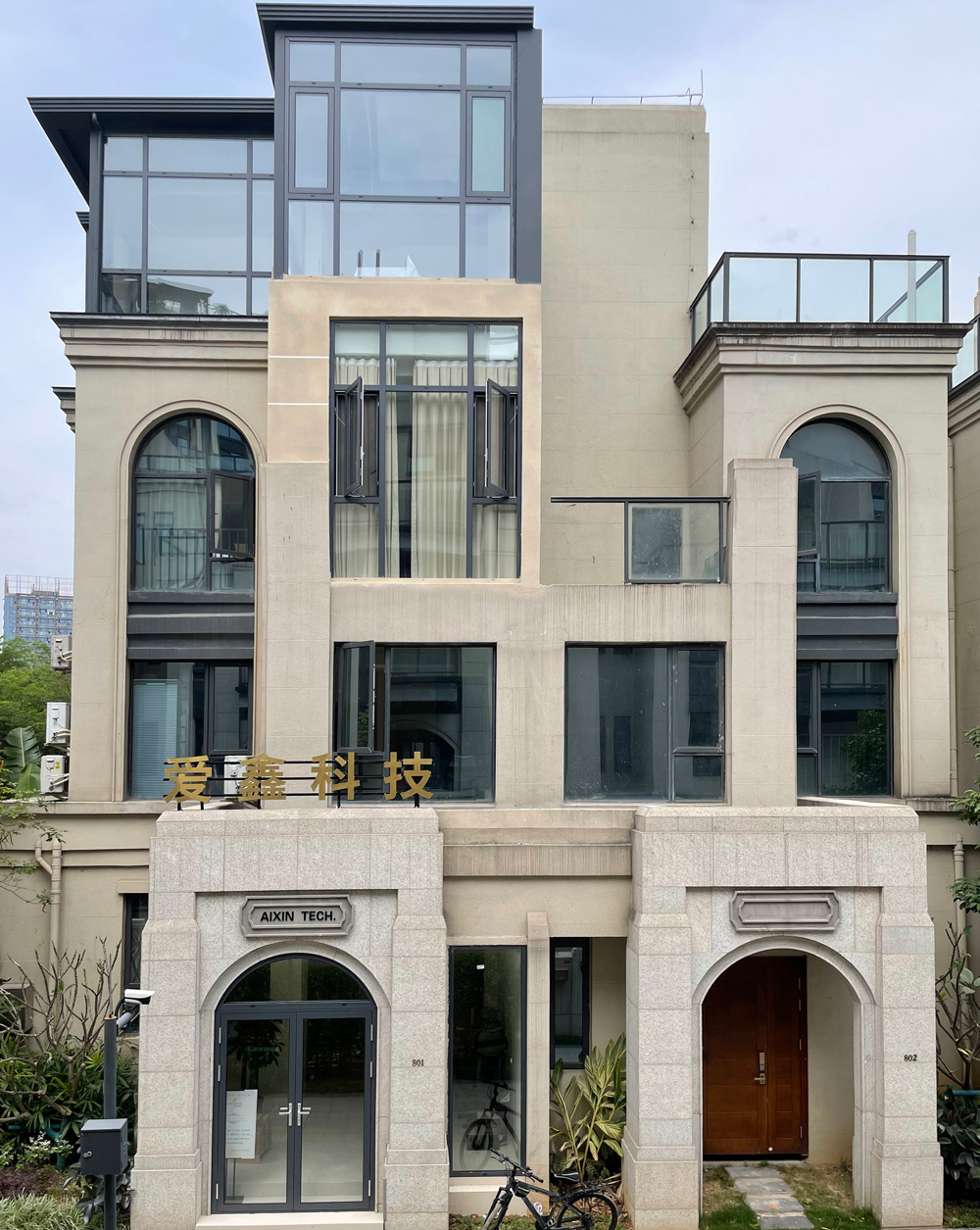
AIXIN Flexible Stone is the core brand under Foshan Xinrise New Materials Co., Ltd., specializing in the R&D, production, customization and sales of high-performance flexible stone. With over a decade of industry experience, we are not only a building materials manufacturer, but also dedicated experts in the innovation and application of eco-friendly building materials. Guided by the vision of “redefining green building materials”, we continuously refine our formulas and processes to meet the evolving needs of modern architecture.
years of experience
For years, we have observed that traditional facade materials often force an unnecessary compromise between design beauty and practical performance. Heavy, rigid stone and tiles are difficult to install on complex surfaces, while lighter alternatives often lack authentic texture and durability. This led us to ask: What if building finishes could offer the rich texture of natural stone, while being lightweight, eco-friendly, weather-resistant and durable, with no trade-offs at all?
Our answer is AIXIN Flexible Stone — the perfect balance of aesthetics and performance.
We believe great building materials should not only look stunning, but also stand the test of time, maintaining their beauty and integrity through changing seasons and environmental conditions.


A One-Stop Solution Backed By Global Experience
With over 10 years of experience and independent patented technology, We provide lightweight, durable, and environmentally friendly flexible stone solutions for exterior renovations, villas, cultural tourism buildings, and urban renewal projects worldwide.
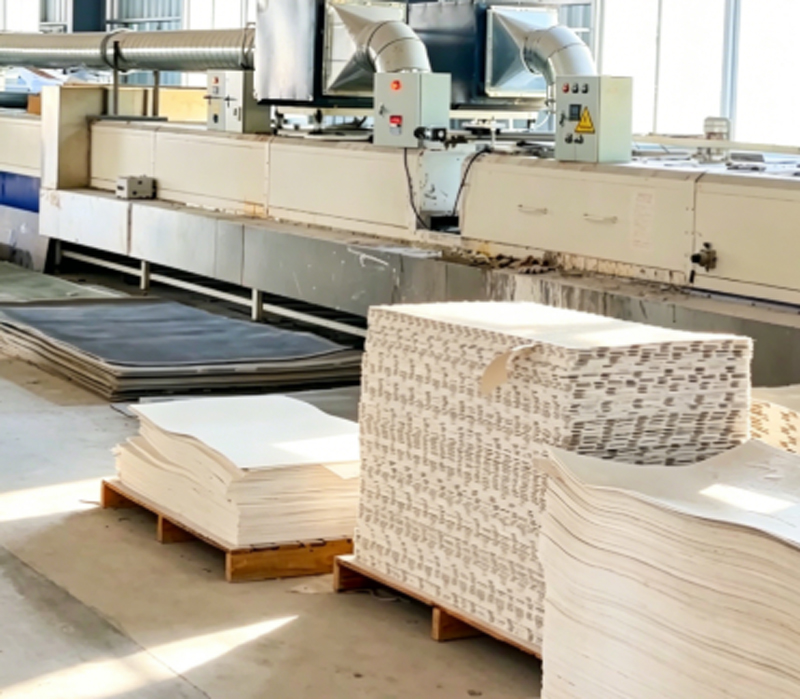
With standardized production facilities and fully automated production lines, we have an annual capacity of millions of square meters, capable of meeting the needs of bulk orders and large-scale projects.
We offer comprehensive customization services in size, texture, and style, and provide reliable OEM/ODM support to create bespoke finishes.
Our products are sold globally, trusted by architects, contractors, and developers for their consistent quality and performance.
Understanding the chemical and physical composition of flexible stone explains why it outperforms traditional materials. AIXIN Flexible Stone is manufactured using modified mineral powder as the primary raw material, combined with high-molecular polymers. Through a temperature-controlled, cross-linked molding and curing process, we achieve a material that is both flexible and structurally resilient. This process allows the product to maintain the natural texture of stone while eliminating the rigidity that causes cracking under stress.
From a safety standpoint, the adhesion strength of flexible tiles is far superior to that of heavy porcelain. When applied with our specialized polymer-modified adhesive, a chemical bond is formed with the substrate, creating a unified barrier that resists moisture penetration. This prevents water from pooling behind the tiles, which is the leading cause of freeze-thaw damage in cold climates. High-rise buildings in northern regions benefit immensely from this freeze-thaw resistance, as the tiles can withstand temperatures as low as -40°C without structural failure.
In the modern construction sector, Environmental, Social, and Governance (ESG) compliance has shifted from a voluntary metric to a core business requirement. Traditional stone extraction involves destructive quarrying practices, heavy processing energy, and massive carbon emissions during maritime and overland transport. Flexible tiles offer a highly sustainable alternative. Because they are thin and lightweight, the energy required for transportation is reduced by up to 80% compared to natural stone. Furthermore, the raw materials are sourced from abundant, non-toxic mineral deposits, and the manufacturing process generates zero hazardous emissions.
For high-rise retrofitting projects aiming for LEED or BREEAM green building certifications, using AIXIN Flexible Stone contributes directly to material and resource credits. The longevity of the material, combined with its end-of-life recyclability, ensures a circular lifecycle that fits perfectly into the sustainable cities of tomorrow.
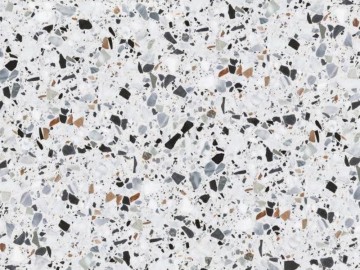
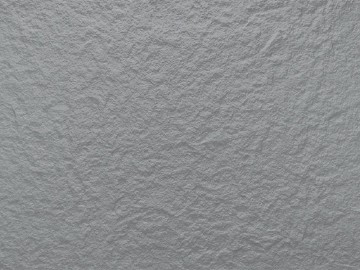
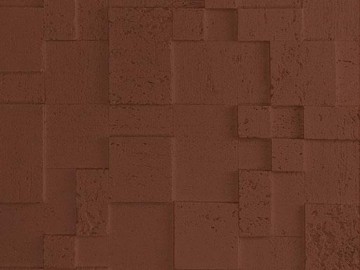
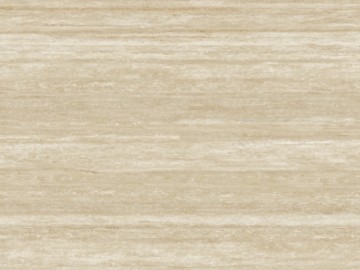
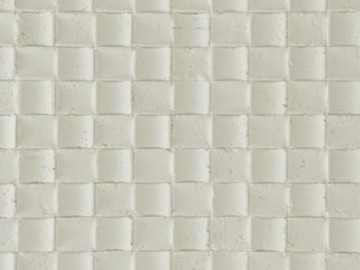
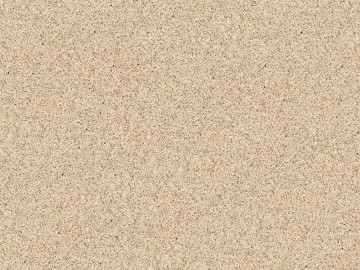
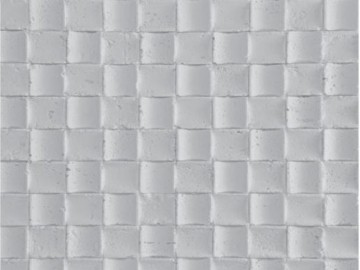
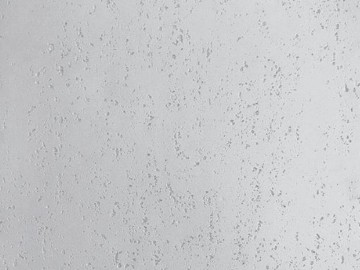
Bespoke textures and premium finishes engineered for commercial, industrial, and high-rise residential exterior renovations.