+86 18942445383

Leave Your Message
-
Contact WhatsApp
-
 Contact Email
Explore our top-performing flexible stone panels engineered specifically for seamless column wrapping and fluid interior curves.
In modern interior design, the rigid lines of traditional architecture are increasingly giving way to organic, flowing forms. Curved walls, rounded columns, and arched corridors introduce a sense of natural movement, warmth, and fluidity into spaces. However, executing these elegant designs has historically presented significant material challenges. Traditional stone slabs, ceramic tiles, and wooden panels are inherently rigid. Forcing these materials to conform to curved surfaces requires complex, labor-intensive cutting, custom pre-fabrication, or heavy structural reinforcing, which exponentially increases project budgets and installation schedules.
Enter Flexible Tiles for Interior Curved Walls and Columns Cladding. Also known as flexible stone or modified clay material (MCM), this innovative category of building finishes is revolutionizing how designers approach non-linear surfaces. By combining the authentic texture and visual depth of natural stone with unprecedented flexibility and lightweight characteristics, flexible tiles eliminate the traditional trade-offs between design vision and structural practicality.
Can bend easily around sharp curves and circular columns without cracking, eliminating the need for pre-formed custom panels.
Formulated from modified clay and natural mineral pigments, offering a low carbon footprint and excellent non-toxic indoor air quality.
Lightweight composition allows for direct adhesive application on existing substrates, reducing labor costs by up to 50%.
Grand lobbies in luxury hotels, corporate headquarters, and airports often feature massive structural columns. Cladding these pillars in natural stone has traditionally required curved stone masonry—an incredibly expensive and heavy solution that demands structural anchor systems. Flexible tiles allow designers to wrap circular, oval, or irregularly shaped columns seamlessly. The tiles adhere directly to the column substrate, creating a solid, joint-minimized stone finish that is indistinguishable from solid masonry but installed at a fraction of the cost, weight, and time.
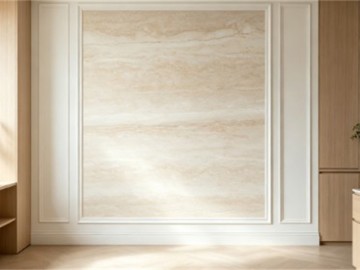
Reception desks and feature walls are increasingly designed with undulating, wave-like patterns to create dramatic focal points. Standard rigid materials cannot conform to these alternating concave and convex surfaces without visible seams, gaps, or awkward segmentations. Flexible tiles adapt dynamically to the contours of the wall, allowing for a continuous, unbroken organic texture. Whether replicating the look of travertine, porphyry, or split slate, the material hugs the curves perfectly, ensuring the design's fluid aesthetic is preserved.
Arches and barrel vaults bring classical elegance to modern interiors, but finishing their inner radii is notoriously difficult. Flexible tiles can be applied smoothly along the inner curve of arches and niches. Because they are lightweight, they pose no risk of falling when applied overhead on vaulted or domed ceilings, making them a much safer and more practical choice than heavy ceramic or stone tiles.
From a commercial standpoint, the global market for flexible tiles is experiencing rapid growth, driven by the real estate and commercial renovation sectors' demand for cost-effective, sustainable, and aesthetically premium materials. In urban renewal projects, where existing structures must be modernized without overloading the building's original foundation, the lightweight nature of flexible stone (typically weighing only 3–5 kg/m²) makes it the ideal retrofit solution.
Contractors and developers are increasingly specifying flexible tiles to mitigate rising labor costs. Traditional stone installation requires specialized stone masons and complex anchoring systems. In contrast, flexible tiles can be installed by standard tiling crews using high-performance polymers and adhesives. This drastically reduces the structural load of the building, simplifies shipping and logistics, and minimizes on-site dust and noise, allowing commercial spaces to remain partially operational during renovations.
As the construction industry shifts toward circular economies and green building certifications (such as LEED and BREEAM), the manufacturing processes behind flexible tiles are evolving. Leading manufacturers, including AIXIN, are utilizing advanced automated drying systems and eco-conscious raw material sourcing to minimize carbon emissions during production.
Furthermore, the integration of AI in design and manufacturing is enabling the creation of hyper-realistic textures. AI algorithms analyze natural stone formations to generate printing and molding plates that avoid repetitive patterns, ensuring that even large-scale column cladding projects exhibit the organic randomness of natural quarry stone.
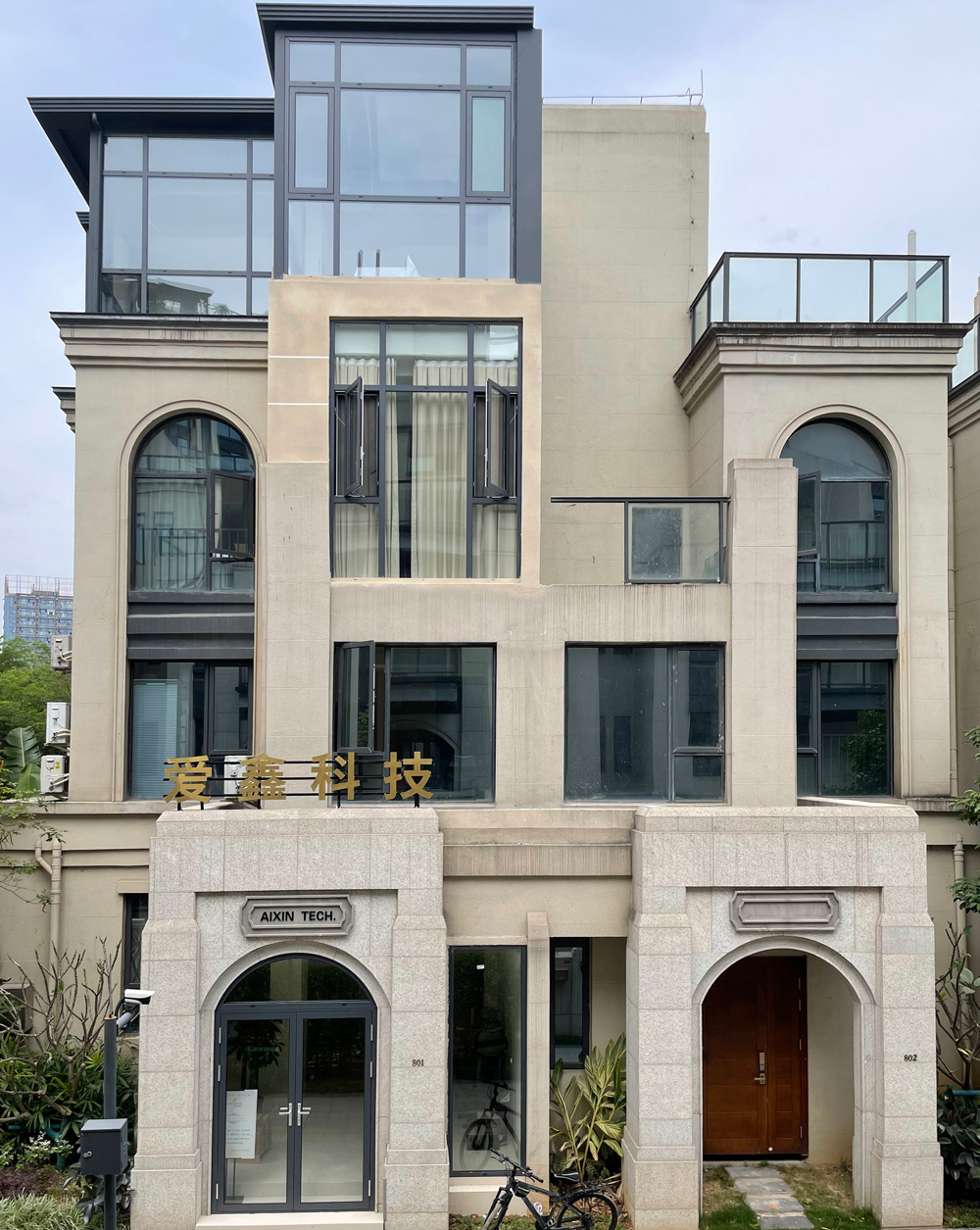
For years, we have observed that traditional facade materials often force an unnecessary compromise between design beauty and practical performance. Heavy, rigid stone and tiles are difficult to install on complex surfaces, while lighter alternatives often lack authentic texture and durability. This led us to ask: What if building finishes could offer the rich texture of natural stone, while being lightweight, eco-friendly, weather-resistant and durable, with no trade-offs at all?
Our answer is AIXIN Flexible Stone — the perfect balance of aesthetics and performance.
We believe great building materials should not only look stunning, but also stand the test of time, maintaining their beauty and integrity through changing seasons and environmental conditions.
years of experience


With over 10 years of experience and independent patented technology, We provide lightweight, durable, and environmentally friendly flexible stone solutions for exterior renovations, villas, cultural tourism buildings, and urban renewal projects worldwide.
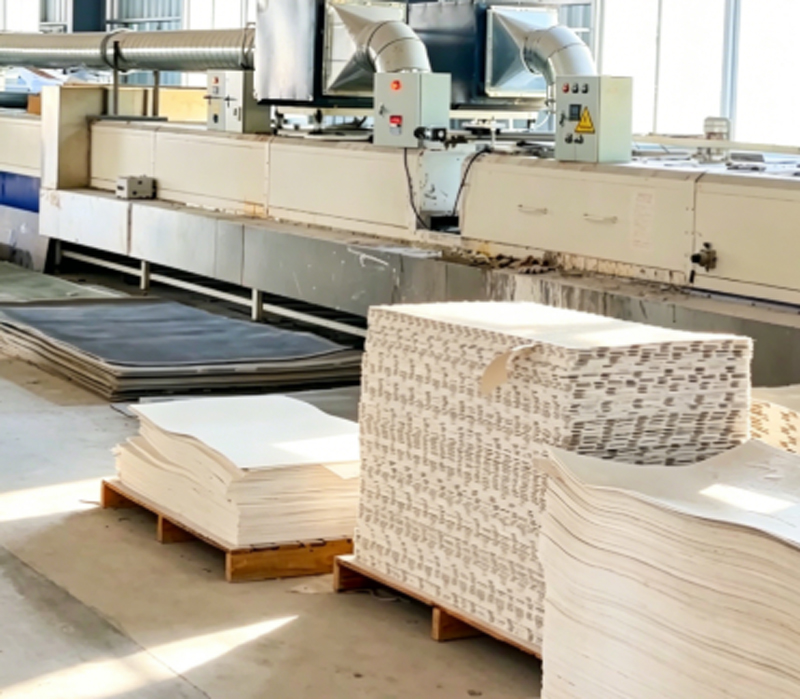
With standardized production facilities and fully automated production lines, we have an annual capacity of millions of square meters, capable of meeting the needs of bulk orders and large-scale projects.
We offer comprehensive customization services in size, texture, and style, and provide reliable OEM/ODM support to create bespoke finishes.
Our products are sold globally, trusted by architects, contractors, and developers for their consistent quality and performance.
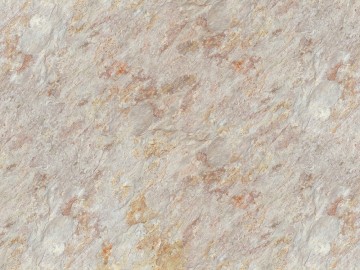
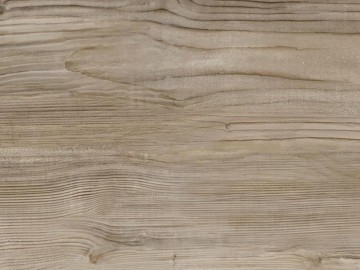
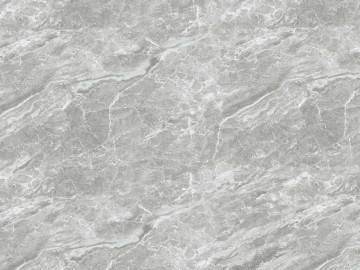
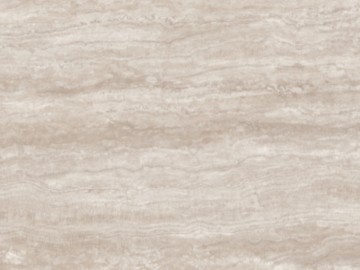
Select from our diverse textures and tones, engineered specifically for high-durability interior and exterior curved cladding applications.