 +86 18942445383

Leave Your Message
-
Contact WhatsApp
-
 Contact Email
In the modern architectural era, High-rise Building Exterior Facade Renovation has transitioned from a purely aesthetic endeavor to a critical engineering requirement. As urban landscapes age, thousands of skyscrapers and residential towers constructed in the late 20th century face deteriorating exteriors. Traditional materials like natural stone slabs, heavy ceramic tiles, and glass curtain walls present significant challenges during renovation: they are heavy, labor-intensive to replace, and pose severe safety risks if they delaminate and fall from heights.
The industry is currently witnessing a paradigm shift towards Flexible Wall technologies. These materials, often referred to as MCM (Modified Clay Materials) or Soft Stone, offer the visual weight of traditional masonry without the physical burden. Globally, building regulations are becoming stricter regarding the weight and adhesion of exterior finishes on buildings exceeding 24 meters. This regulatory pressure, combined with a growing emphasis on "Green Building" certifications (like LEED or BREEAM), has positioned flexible stone as the premier choice for sustainable urban renewal.
Flexible walls are incredibly lightweight (approx. 3-4kg/m²), effectively eliminating the risk of fatal injuries caused by falling tiles in high-density urban areas.
Can be applied directly over existing substrates (tiles, paint, or mosaic), reducing construction noise, dust, and time by up to 50%.
Produced using natural mineral powder and advanced polymers, these materials require 80% less energy to manufacture compared to traditional ceramics.
Years Experience
Modern Factory
Annual Capacity
Global Support
For high-rise office towers, the facade is the "face" of the brand. Flexible stone panels can replicate the texture of rare marbles or exotic travertines. Unlike real stone, which can vary wildly in color and quality, flexible stone offers consistent aesthetics across thousands of square meters, ensuring a flawless finish for prestigious corporate addresses.
In many metropolitan areas, old residential blocks suffer from "Sick Building Syndrome" where the exterior skin peels off. Flexible wall solutions provide a breathable membrane that allows moisture to escape from the building structure while preventing rainwater penetration. This "breathing" capability is vital for the longevity of the building's concrete core.
Modern architecture often features organic, curved lines that are a nightmare to clad with rigid materials. Because our panels are inherently flexible, they can wrap around columns, corners, and undulating surfaces without the need for complex mechanical fixing systems or expensive custom-cut stone pieces.
High-rise buildings are subject to intense wind loads and structural sway. Rigid cladding can crack or pop off under these stresses. The elastic nature of flexible stone allows it to move in harmony with the building's structural vibrations, making it the safest choice for skyscrapers in typhoon or earthquake-prone regions.
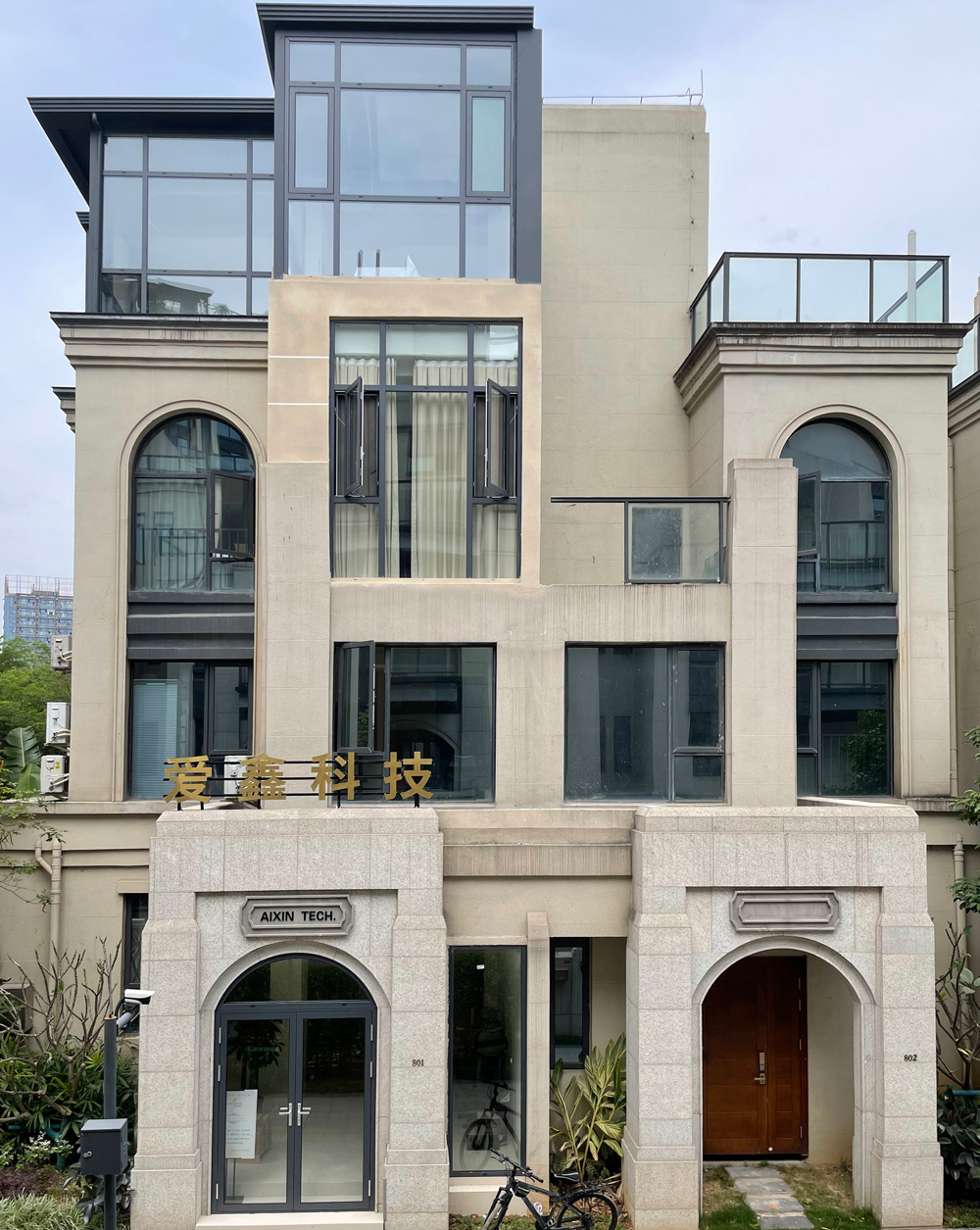
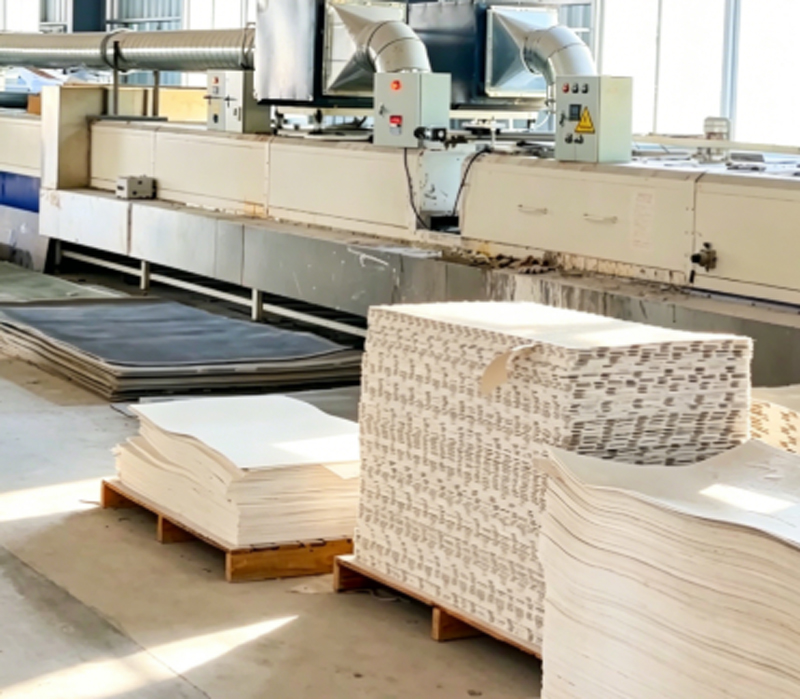
With over 10 years of experience and independent patented technology, We provide lightweight, durable, and environmentally friendly flexible stone solutions for exterior renovations, villas, cultural tourism buildings, and urban renewal projects worldwide.
With standardized production facilities and fully automated production lines, we have an annual capacity of millions of square meters, capable of meeting the needs of bulk orders and large-scale projects.
We offer comprehensive customization services in size, texture, and style, and provide reliable OEM/ODM support to create bespoke finishes.
Our products are sold globally, trusted by architects, contractors, and developers for their consistent quality and performance.
The future of High-rise Building Exterior Facade Renovation is inextricably linked to the "Smart City" movement. We are currently researching the integration of AI-driven design tools that allow architects to simulate how flexible stone will age over 50 years in specific micro-climates. Furthermore, the trend toward "Circular Economy" means that building materials must be recyclable. AIXIN's flexible stone is ahead of the curve, as it can be crushed and repurposed into new panels at the end of its life cycle.
Another emerging trend is the "Bio-Mimicry" of textures. Beyond just stone, flexible wall technology is evolving to replicate wood, woven fabrics, and even metallic finishes, all while maintaining the fire-rated safety standards (Class A) required for high-rise occupancy. As global urbanization accelerates, the demand for materials that are "Fast, Light, and Beautiful" will make Flexible Stone the standard, not the alternative.
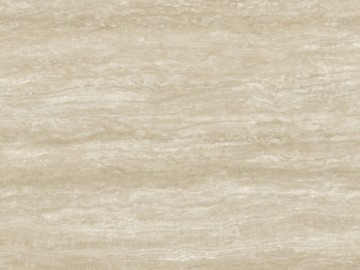 Light Yellow Travertine Flexible Stone Panel
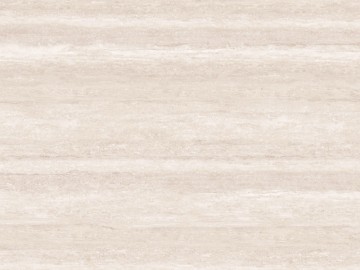 Product Document: Light Cream Travertine Flexible Stone Veneer Panel
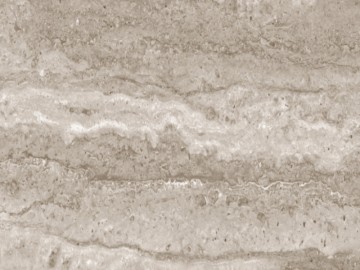 Vintage Coffee Pitted Travertine Flexible Wall Tile
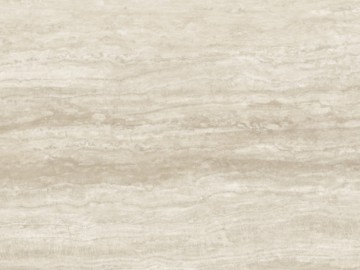 Cream White Gradient Vein Flexible Travertine Panel
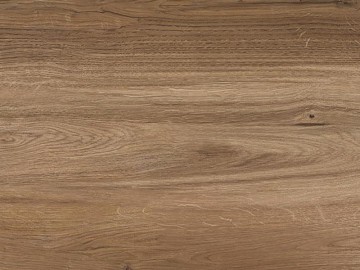 Deep Oak Wood Grain Flexible Travertine Tile
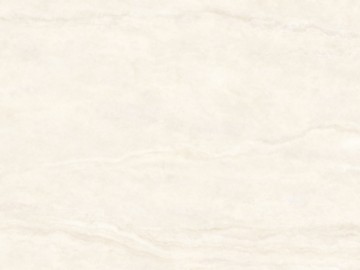 Creamy White Matte Travertine Flexible Tile
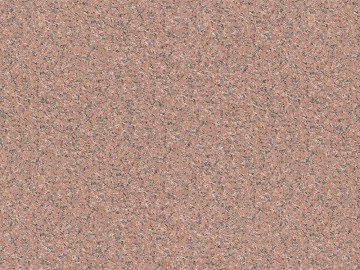 Reddish Brown Mottled Porphyry Flexible Stone Wall Panel
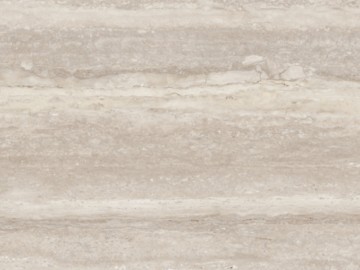 Dark Coffee Layered Travertine Flexible Wall Sheet