
 +86 18942445383

Company News
Bintang Supermarket in Bali Rises to Iconic Status with a Flexible Split-Brick Soft Porcelain Facade
2026-09-16
Built in a coastal island climate, the facade had to withstand more than just visual scrutiny. Bali's high humidity, intense UV exposure, and saline sea air pose constant challenges to conventional building materials, which often suffer from fading, cracking, or spalling. The split-brick soft porcelain was selected precisely for its exceptional weather resistance: it resists salt corrosion, UV rays, moisture, and freeze-thaw cycles, ensuring the warm red-brick finish stays vibrant for years with minimal maintenance.
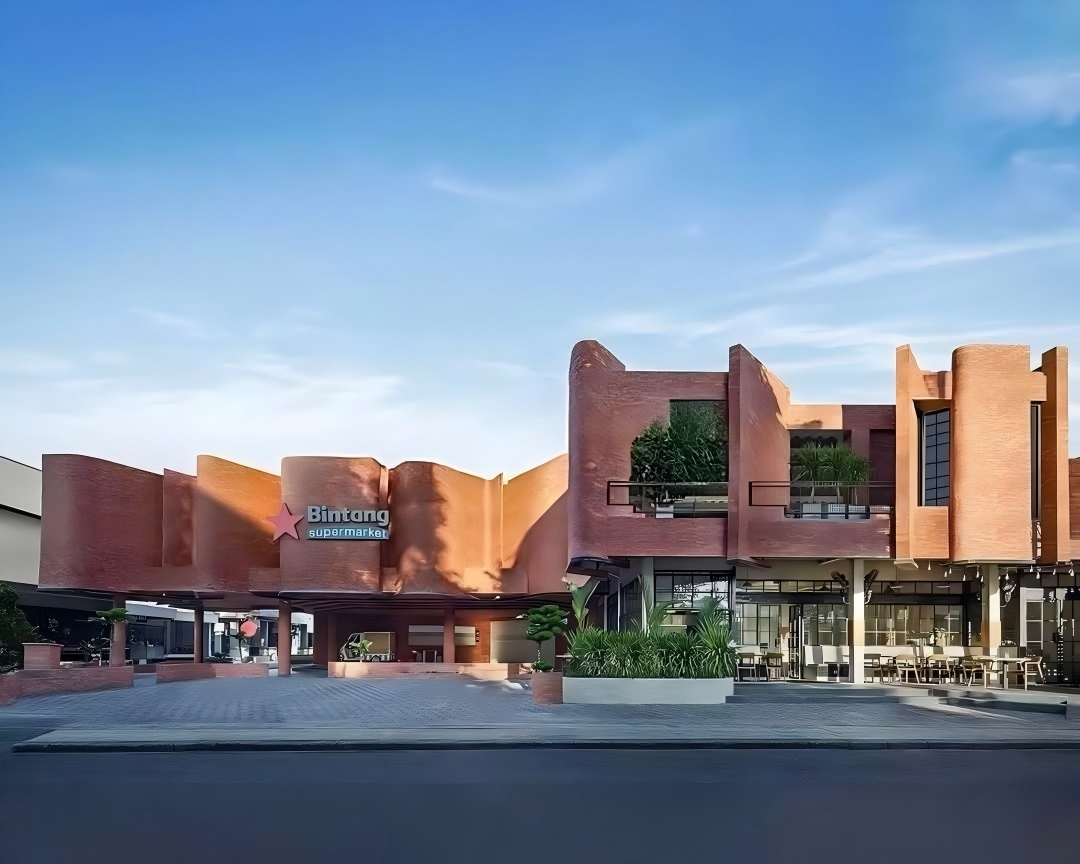
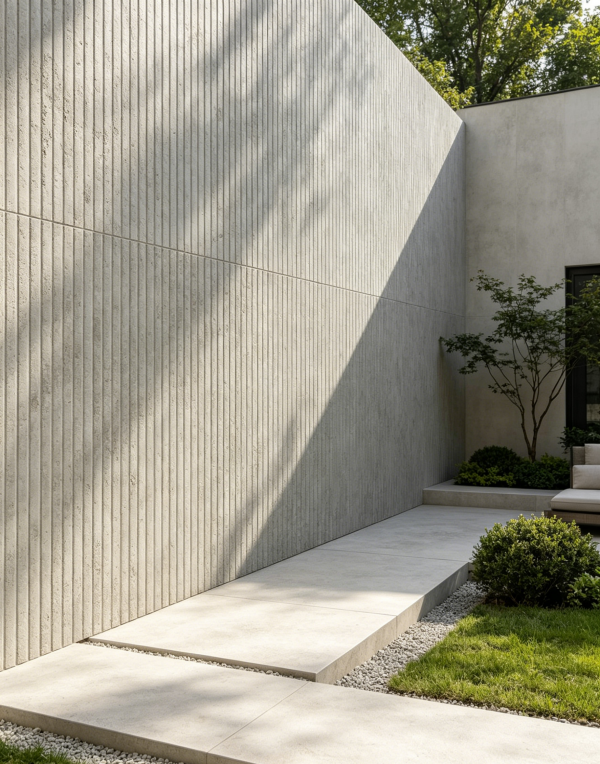
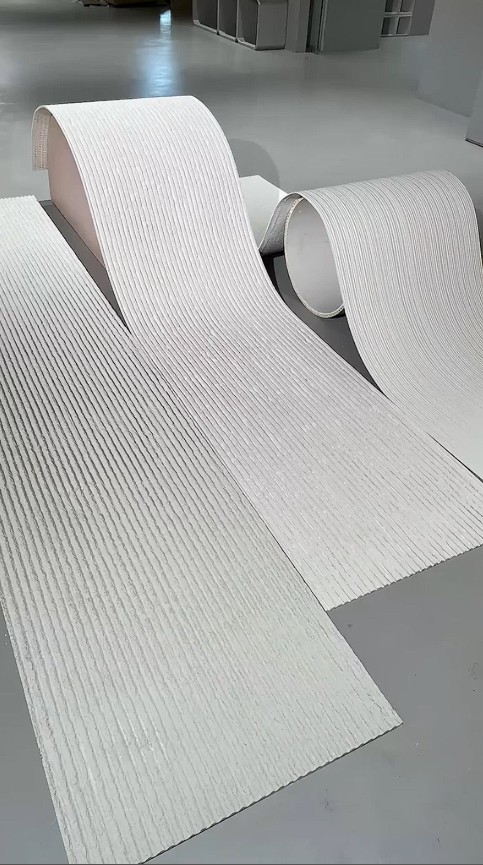
What truly sets the project apart is its sculptural curved architecture. Because soft porcelain is a flexible, thin material — only a few millimeters thick and weighing a fraction of traditional brick or tile — it can follow curved walls and complex geometries with ease. The design team used this flexibility to wrap the building in flowing, organic brick surfaces, giving the storefront a bold, artful character that draws visitors' eyes from the street. The material faithfully reproduces the texture and depth of genuine split brick, delivering an authentic masonry look without the structural weight.
Beyond aesthetics, the material delivered real engineering and commercial benefits. Its light weight reduces the load on the building structure and virtually eliminates the risk of hollowing and falling tiles — a key safety advantage in a high-traffic retail environment. Installation was fast and clean, shortening the construction schedule and reducing disruption to daily operations. The eco-friendly formula, made from modified inorganic mineral materials, also aligns with the growing global demand for sustainable, low-carbon building products.
The Bintang Supermarket project demonstrates that advanced facade materials can meet the twin demands of durability and design. For architects, developers, and facade contractors worldwide, it stands as a proven reference for coastal, tropical, and high-design commercial projects — proof that a better-looking, longer-lasting, and more sustainable building envelope is within reach.