+86 18942445383

Leave Your Message
-
Contact WhatsApp
-
 Contact Email
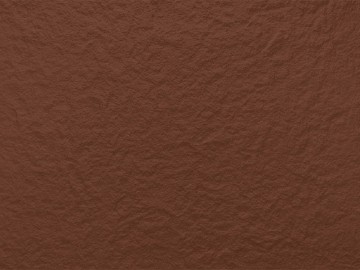
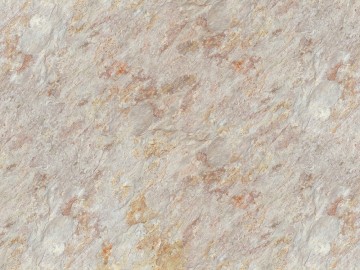
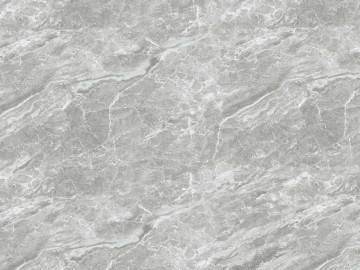
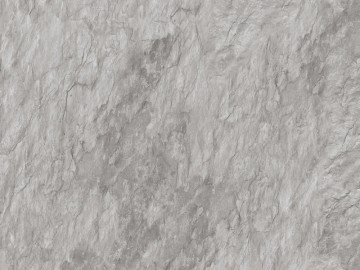
Resort villas represent the pinnacle of modern architectural design, seamlessly integrating high-end luxury with the natural environment. Whether nestled along rugged sea cliffs, positioned in humid tropical rainforests, or perched on snow-capped mountain peaks, these buildings face a constant battle against the elements. The facade of a luxury resort villa is its first line of defense and its most prominent aesthetic statement. Choosing the right material for **Resort Villas Outdoor Weatherproof Wall Cladding** is a critical decision that influences not only the visual identity of the property but also its long-term operational costs, structural integrity, and environmental footprint.
Historically, architects turned to natural slate, granite, and heavy travertine to achieve an organic, premium aesthetic. However, the physical limitations of traditional stone—namely its extreme weight, rigidity, high cost of installation, and susceptibility to environmental degradation—have driven the industry toward structural innovation. In response, **Soft Stone** (also known as flexible stone or modified clay veneer) has emerged as the premier choice for exterior wall cladding in high-end resort projects worldwide. By combining the authentic texture of natural earth minerals with advanced polymer flexibility, soft stone offers unprecedented freedom of design alongside unmatched weatherproofing capabilities.
The global building materials market is experiencing a profound transformation. Under the pressure of carbon neutrality targets and stringent green building certifications (such as LEED, BREEAM, and DGNB), developers are actively replacing traditional energy-intensive claddings with low-carbon alternatives. The production of traditional ceramic tiles and natural stone quarrying involves heavy carbon emissions, habitat destruction, and intensive energy consumption. Soft stone, manufactured primarily from modified inorganic clay and natural mineral pigments, requires only a fraction of the thermal energy to produce, presenting a carbon footprint that is up to 80% lower than traditional masonry.
From a commercial perspective, the resort hospitality industry operates on tight construction schedules and demands rapid return on investment (ROI). Traditional stone facades require complex mechanical anchoring systems, heavy structural support, and highly specialized labor. The logistics of transporting tons of natural stone to remote resort locations—such as private islands or steep mountain ridges—are incredibly costly. Soft stone, weighing only 3 to 6 kg/㎡ and measuring just a few millimeters in thickness, drastically reduces shipping costs and structural dead loads. This allows developers to construct lighter, safer buildings faster, bypassing the need for heavy machinery and reducing total installation times by up to 50%.
By eliminating the need for wet-mortar installation and heavy dry-hanging steel structures, soft stone reduces structural costs at the foundation level. The lightweight nature of the material ensures that even in seismic zones or high-wind coastal areas, the risk of facade detachment is virtually eliminated, saving millions in long-term liability and maintenance costs.
Outdoor cladding for resort villas must withstand relentless environmental stressors. Soft stone is engineered specifically to address these challenges, offering a level of durability that rivals—and in some scenarios exceeds—traditional natural stone.
Resorts are frequently built in regions with intense solar radiation, such as tropical beaches or high-altitude ski areas. Standard synthetic paneling or painted facades degrade and fade quickly under UV exposure. Soft stone uses natural mineral pigments locked within an inorganic clay matrix. This ensures outstanding color fastness, keeping the facade vibrant and natural for over 20-30 years without fading or chalking.
In alpine or temperate zones, moisture trapped inside rigid stone pores freezes during winter, expanding and causing micro-cracks that eventually lead to structural failure. Soft stone features a unique micro-porous structure. It is vapor-permeable ("breathable"), allowing interior moisture to escape while preventing liquid water molecules from entering. This breathability prevents the internal pressure build-up that causes cracking during freeze-thaw cycles, ensuring absolute structural integrity even in sub-zero conditions.
Coastal resorts are constantly exposed to airborne salt spray, which corrodes traditional building materials and causes unsightly efflorescence (white salt deposits) on stone surfaces. Soft stone is chemically inert and highly resistant to acid rain and salt mist. Its non-reactive surface prevents salt crystals from binding, keeping the villa's exterior clean and free from chemical degradation.
High-rise resort structures and cliffside villas are vulnerable to extreme wind loads and seismic activity. Rigid, heavy stone tiles can crack or detach under structural deflection. The inherent flexibility of soft stone allows it to bend and move in harmony with the building's structural framing. When bonded with high-performance adhesives, it forms a monolithic bond with the substrate, easily resisting gale-force winds and seismic vibrations.
The architectural versatility of soft stone opens up a new realm of possibilities for designers seeking to push the boundaries of luxury resort design.
As technology advances, the soft stone industry is moving toward smarter, more sustainable solutions. One major trend is the integration of **AI-driven texture replication**. By scanning rare, endangered natural stones at ultra-high resolutions, manufacturers can use AI algorithms to recreate incredibly realistic textures—such as rare Italian travertine or volcanic basalt—without damaging natural ecosystems.
Another emerging trend is the application of **self-cleaning coatings**. By incorporating photocatalytic nano-titanium dioxide into the surface glaze, soft stone facades can use sunlight to break down organic dirt and atmospheric pollutants. When it rains, the dirt is simply washed away, dramatically reducing the facade cleaning costs for resort operators.
Years of Experience


Years of professional manufacturing experience
Modern factory area
Annual production capacity
Full OEM/ODM one-stop service support
For years, we have observed that traditional facade materials often force an unnecessary compromise between design beauty and practical performance. Heavy, rigid stone and tiles are difficult to install on complex surfaces, while lighter alternatives often lack authentic texture and durability. This led us to ask: What if building finishes could offer the rich texture of natural stone, while being lightweight, eco-friendly, weather-resistant and durable, with no trade-offs at all?
Our answer is AIXIN Flexible Stone — the perfect balance of aesthetics and performance. We believe great building materials should not only look stunning, but also stand the test of time, maintaining their beauty and integrity through changing seasons and environmental conditions.
With over 10 years of experience and independent patented technology, We provide lightweight, durable, and environmentally friendly flexible stone solutions for exterior renovations, villas, cultural tourism buildings, and urban renewal projects worldwide.
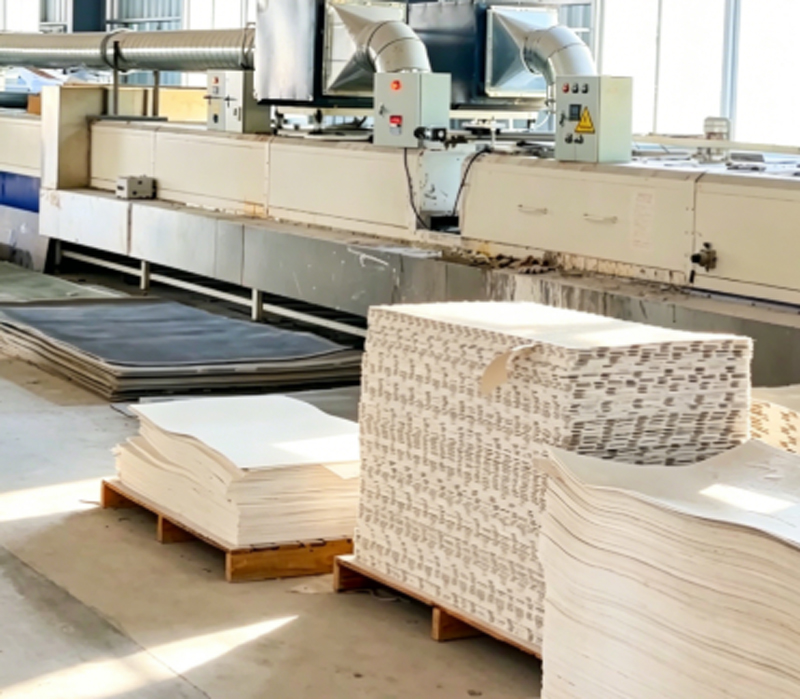
With standardized production facilities and fully automated production lines, we have an annual capacity of millions of square meters, capable of meeting the needs of bulk orders and large-scale projects.
We offer comprehensive customization services in size, texture, and style, and provide reliable OEM/ODM support to create bespoke finishes.
Our products are sold globally, trusted by architects, contractors, and developers for their consistent quality and performance.