+86 18942445383

Leave Your Message
-
Contact WhatsApp
-
 Contact Email
Engineered for Seamless Curved Walls & Column Cladding

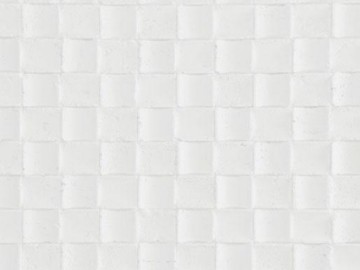

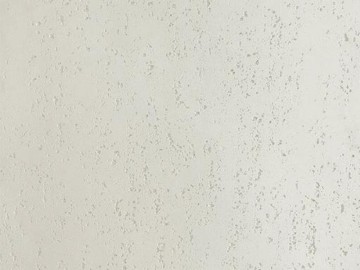
In modern architectural design, the integration of organic geometries and soft curves has transitioned from a niche luxury trend into a mainstream design language. Curved walls, rounded partitions, and cylindrical structural columns are highly favored by designers to soften the rigid, box-like structures of traditional interiors. They create a dynamic flow of space, guide foot traffic intuitively, and add a sculptural dimension to lobbies, corridors, and residential living zones. However, wrapping these complex, non-linear substrates with traditional building materials has historically presented a major bottleneck for the construction industry.
Traditional stone cladding—such as granite, marble, or solid travertine—is inherently heavy, rigid, and brittle. Achieving a curved stone finish using traditional methods requires labor-intensive segmenting, precise CNC wet-milling, or complex mechanical anchoring. These methods lead to excessive material waste, prolonged installation times, and high overall costs. As the global construction market prioritizes faster building cycles, reduced structural loads, and minimal environmental impact, the demand for high-performance, flexible alternatives has skyrocketed.
Flexible stone cladding represents the pinnacle of modern material science, offering the authentic texture, depth, and tactile quality of natural stone in an ultra-thin, lightweight, and bendable format. This innovation has revolutionized how architects approach curved interior surfaces and column wraps, eliminating the traditional compromises between aesthetics, structural weight, and budget constraints.
The global interior wall cladding market is experiencing a significant shift toward lightweight, sustainable, and high-performance materials. The commercial sector—comprising luxury hotels, high-end retail boutiques, corporate offices, and public transit hubs—is driving the adoption of flexible stone cladding. In these high-traffic environments, columns and curved feature walls serve as primary brand statements. The ability to quickly install authentic stone finishes without shutting down operations for weeks has made flexible stone the go-to solution for retrofits and new builds alike.
From an industrial manufacturing perspective, the production of flexible stone is far more resource-efficient than traditional quarrying. Standard stone extraction and processing generate up to 60% waste in the form of scrap stone and dust. In contrast, advanced flexible stone production utilizes natural mineral powders, stone aggregates, and eco-friendly polymers, binding them under thermal processes to create durable panels. This process maximizes raw material utilization and lowers the carbon footprint of transport, as a single truck can carry up to ten times more square footage of flexible stone compared to traditional stone slabs.
Redefining Green Building Materials
The unique properties of flexible stone cladding allow for its application in architectural contexts that were once deemed technically impossible or financially unviable for natural stone. Below are the key indoor scenarios where flexible stone cladding excels:
Structural columns are essential in large open-plan spaces, but they often disrupt the visual flow of an interior. Wrapping columns with flexible stone panels transforms these structural elements into sculptural highlights. Because the panels can bend to tight radii, they wrap smoothly around circular, elliptical, or rectangular columns. The lightweight nature of the panels ensures they can be adhered directly to column substrates without the need for mechanical anchors, creating a seamless, monolithic stone finish that appears to be carved from a single block.
In hotel lobbies, corporate reception areas, and luxury residential living rooms, curved feature walls act as focal points. Traditional stone cladding on curved walls requires cutting the stone into small, flat strips, resulting in a faceted, segmented look rather than a smooth curve. Flexible stone panels, however, bend to the exact contour of the wall, preserving the continuous flow of the stone's texture. This provides a sleek, modern aesthetic that enhances the perception of space and movement.
Airport terminals, shopping malls, and hospital corridors require wall finishes that are both durable and visually pleasing. Flexible stone cladding provides a highly scratch-resistant, impact-resistant surface that stands up to heavy foot traffic and trolley impacts. Its thin profile (typically 2-5mm) ensures that valuable corridor width is not compromised, while its natural textures provide a warm, inviting atmosphere that contrasts with sterile commercial environments.
Indoor spas, wellness centers, and high-end residential bathrooms benefit significantly from the moisture-resistant properties of flexible stone. Unlike traditional stone, which can absorb moisture and develop efflorescence or mold, advanced flexible stone panels are engineered to be breathable yet water-resistant. Applied to curved shower walls or circular spa pillars, they maintain their structural integrity and aesthetic appeal over years of exposure to high humidity.
For years, we have observed that traditional facade materials often force an unnecessary compromise between design beauty and practical performance. Heavy, rigid stone and tiles are difficult to install on complex surfaces, while lighter alternatives often lack authentic texture and durability. This led us to ask: What if building finishes could offer the rich texture of natural stone, while being lightweight, eco-friendly, weather-resistant and durable, with no trade-offs at all?
Our answer is AIXIN Flexible Stone — the perfect balance of aesthetics and performance.
We believe great building materials should not only look stunning, but also stand the test of time, maintaining their beauty and integrity through changing seasons and environmental conditions.
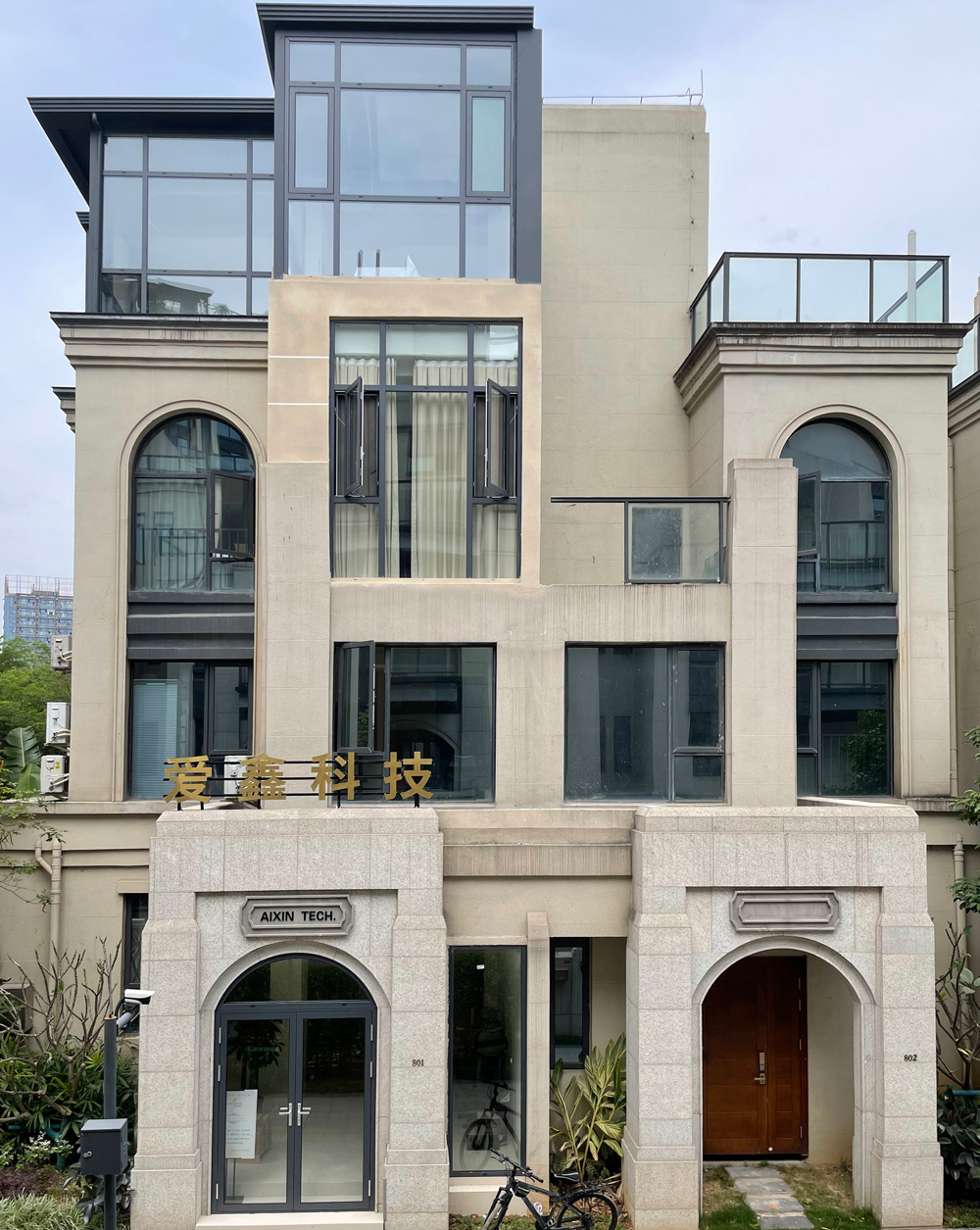
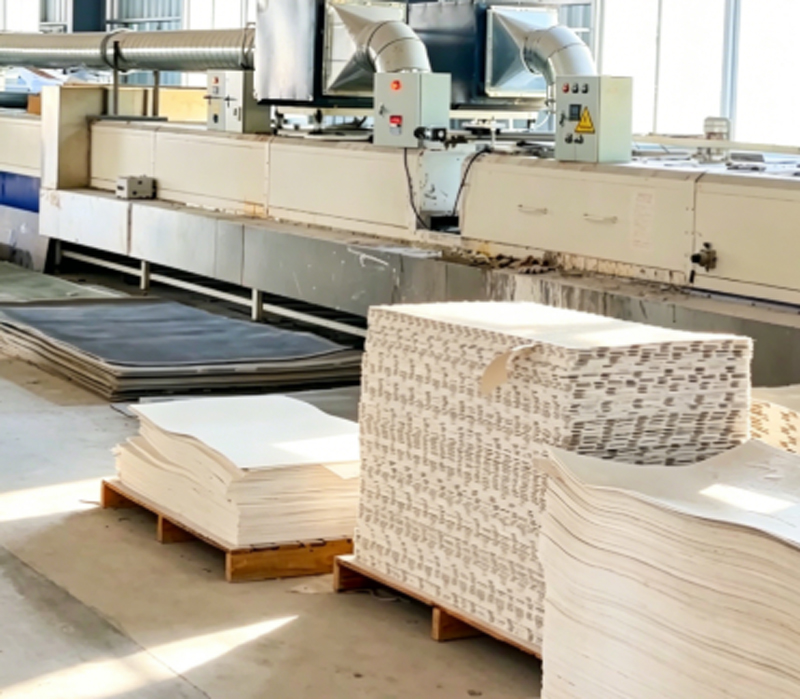
of experience


A One-Stop Solution Backed By Global Experience
With over 10 years of experience and independent patented technology, We provide lightweight, durable, and environmentally friendly flexible stone solutions for exterior renovations, villas, cultural tourism buildings, and urban renewal projects worldwide.
With standardized production facilities and fully automated production lines, we have an annual capacity of millions of square meters, capable of meeting the needs of bulk orders and large-scale projects.
We offer comprehensive customization services in size, texture, and style, and provide reliable OEM/ODM support to create bespoke finishes.
Our products are sold globally, trusted by architects, contractors, and developers for their consistent quality and performance.
The rapid growth in the specification of flexible stone is supported by its outstanding physical and chemical properties, which address the structural and environmental limitations of traditional stone wall finishes:
Installing flexible stone panels on curved walls and columns is a straightforward process, but it requires careful preparation and adherence to specific steps to ensure a long-lasting, high-quality finish:
The substrate must be structurally sound, dry, flat, and free of dust, grease, or contaminants. Common suitable substrates include cement board, plywood, plasterboard, and concrete. For columns, ensure the radius is uniform to prevent air pockets under the panels.
Before applying adhesive, arrange the panels to plan the joints and texture alignment. For columns, position the seams away from the primary line of sight to maintain a continuous, monolithic look.
Use a high-quality, flexible polymer-modified mortar or tile adhesive. Apply the adhesive to both the substrate and the back of the panel using a notched trowel (double-buttering method) to ensure complete coverage and prevent hollow spots.
Carefully wrap the panel around the curved surface. Use a rubber roller or flat press board to apply even pressure from the center of the panel outward. This expels trapped air and ensures a strong, continuous bond with the substrate.
Depending on the design, panels can be butt-jointed for a seamless look or installed with a small gap and filled with a color-matched flexible grout. Once the adhesive has cured, clean the surface. A water-based protective sealer can be applied for extra stain resistance in high-traffic areas.
Looking ahead, the development of interior wall finishes is shaped by the demand for sustainable materials, biophilic design, and digital manufacturing. Flexible stone cladding is positioned at the intersection of these trends, offering architects a high-performance material that meets modern environmental standards.
Biophilic design—the practice of incorporating natural materials and textures into indoor environments—is proven to reduce occupant stress, improve air quality, and enhance overall well-being. By bringing the natural texture of travertine, sandstone, and porphyry into interiors, flexible stone helps create calming, nature-inspired spaces. Its ability to conform to curved walls and columns allows designers to mimic organic, flowing forms found in nature, moving away from rigid, angular layouts.
Furthermore, digital manufacturing and AI-driven quality control allow companies like Foshan Xinrise New Materials Co., Ltd. to replicate the complex textures and color variations of rare, protected stones without depleting natural reserves. This ensures that architects can specify exotic stone patterns for curved installations while remaining committed to environmental preservation. As green building certifications like LEED and BREEAM become standard for commercial developments, the low embodied energy and resource efficiency of flexible stone cladding will continue to drive its adoption globally.
Premium Solutions for Interior Curved Walls and Columns Cladding