 +86 18942445383


Commercial & Industrial Landscape: The Rise of Flexible Cladding in Coastal Architecture
Coastal resorts operate in some of the most demanding environmental conditions on Earth. The combination of intense ultraviolet (UV) radiation, high wind loads, airborne salinity, and relentless humidity creates a highly corrosive atmosphere. Historically, architects and resort developers relied on natural stone blocks, thick ceramic tiles, or concrete rendering to achieve a premium aesthetic. However, the commercial reality of using traditional masonry in coastal zones has proven challenging. Structural load constraints, high shipping costs to remote beachfront locations, and the tendency of heavy stone to crack under thermal expansion have driven the industry to seek advanced alternatives.
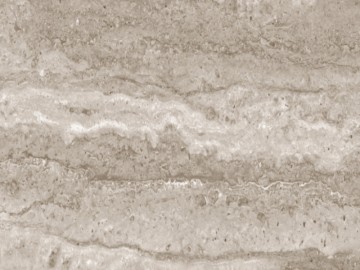
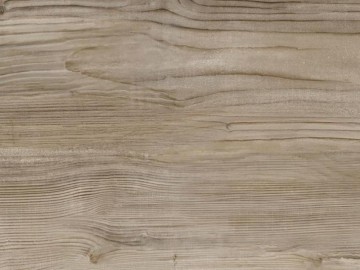
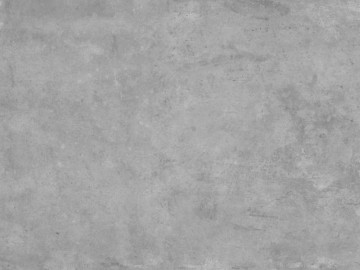
Today, the global hospitality construction sector is witnessing a massive pivot toward high-performance, lightweight materials. Stone wall panels exterior designs that extend seamlessly into indoor resort bathrooms and shower walls are leading this trend. Engineered flexible stone panels—made from modified clay materials (MCM) and natural stone powder—provide the exact tactile organic texture of natural stone without the structural liabilities. This technology has evolved from a niche alternative to an industry standard for coastal developments, offering developers a way to reduce structural steel costs while ensuring long-term facade integrity.
Key Industry Drivers for Coastal Cladding Innovation
- Salinity Resistance: Traditional porous stone absorbs salt spray, leading to sub-florescence and surface crumbling. Flexible stone composites are chemically inert to salt.
- Thermal Stability: Sudden temperature swings between direct seaside sunlight and air-conditioned interiors cause rigid stone to shear. Flexible panels expand and contract dynamically without cracking.
- Waterproof Substrates: In wet areas like open-air resort showers, seamless, flexible stone prevents structural water ingress, protecting concrete sub-structures from rebar corrosion.
Deep-Dive Application Scenarios: Coastal Resort Bathrooms & Showers
In luxury resort design, the boundary between the interior and exterior is increasingly blurred. Bathrooms are no longer just functional spaces; they are private wellness sanctuaries. The integration of outdoor-facing stone walls with indoor shower enclosures is a popular architectural technique to create a biophilic, spa-like connection to nature.
1. Semi-Outdoor and Open-Air Shower Facades
Open-air showers are signature features of premium tropical villas. These walls are simultaneously exposed to exterior weather conditions (UV rays, monsoon rains, wind-blown sand) and interior shower stressors (soaps, hot water, high humidity). Traditional timber cladding rots, and stucco stains. Flexible stone panels installed as exterior cladding on these shower walls provide a monolithic, natural rock face that handles water runoff effortlessly. Because the panels are hydrophobic, they dry quickly and resist the growth of black mold and mildew, which are common issues in tropical microclimates.
2. Large-Format Curved Shower Enclosures
Modern organic architecture utilizes curved walls to mimic the natural flow of waves and sand dunes. Applying traditional slab stone or ceramic tiles to curved shower walls is exceptionally difficult, requiring complex cutting, numerous grout lines, and a high risk of uneven surfaces (lippage). Flexible stone panels can be wrapped around columns, tight radiuses, and undulating walls with ease. This allows for a continuous, seamless stone finish that enhances the visual scale of the bathroom while eliminating grout lines where grime and bacteria accumulate.
3. High-Traffic Resort Spa Wet Zones
In commercial resort spas, steam rooms, and communal thermal pools, the wall coverings must withstand constant moisture saturation. The lightweight nature of flexible stone panels means they can be safely adhered to lightweight partition walls, such as cement backing boards, without requiring structural reinforcement. This makes them highly suitable for rapid interior fit-outs and renovations of older resort properties where structural load-bearing capacity is limited.
Material Science: Why Flexible Stone Outperforms Traditional Materials
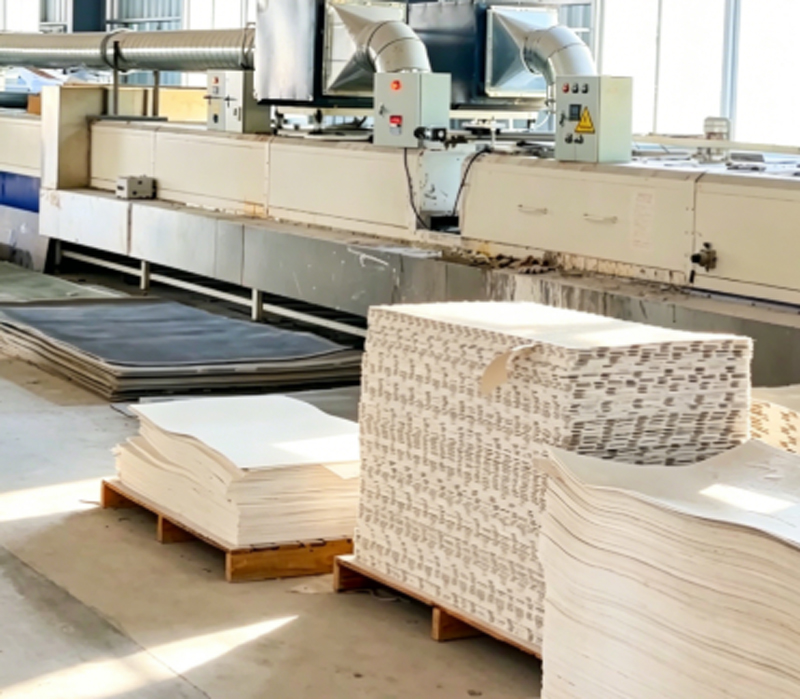
The secret behind the performance of AIXIN Flexible Stone lies in its composite structure. Utilizing natural mineral powder as the primary filler, bound together with advanced eco-active polymers, the manufacturing process mimics the natural geological formation of stone but at an accelerated rate. The result is a thin (typically 2mm to 5mm), flexible, yet incredibly durable sheet that retains the authentic texture, grain, and color variations of real stone.
Unlike porcelain tiles, which are brittle and impermeable, flexible stone panels possess microscopic breathability. When installed on exterior resort walls, they allow vapor transmission from the building's interior to escape, preventing moisture entrapment within the wall assembly. Simultaneously, their specialized surface treatments prevent liquid water from penetrating the face of the panel, creating a highly effective rain-screen barrier.