Leave Your Message

Blog

Top Rammed Earth Panel Suppliers for Global Buyers

Top Rammed Earth Panel Suppliers for Global Buyers

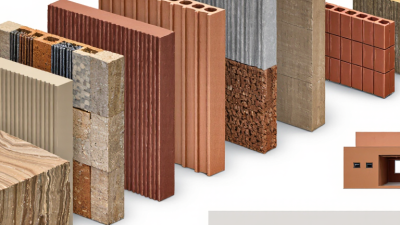
More and more, international buyers are taking a closer look at rammed earth panels as a greener, more eco-friendly option for walls, facades, and interior features. These panels aren't just about looks – they can add thermal mass, improve acoustic comfort, and even give a modern building that cool, earthy aesthetic with textures you can view here. But honestly, good looks aren’t enough on their own. You’ve got to dig a little deeper — soil mix, cement content, reinforcement, moisture resistance, panel thickness, and how they’re installed, for example, can vary a lot from one supplier to another. David Easton, a well-known rammed-earth architect and founder of Rammed Earth Works, once said that "Rammed earth is a celebration of the earth beneath our feet." And I think that still sums it up pretty well. When choosing a supplier, it’s important to ask where their soil actually comes from, how they test each batch, and whether those panels are just decorative or also structural. Always ask for full-size samples if you can — tiny chips might hide differences in color, weak edges, or surface cracks. In this guide, I’ll introduce some of the top rammed earth panel suppliers working on international projects — like SIREWALL, Rammed Earth Works, and Rammed Earth Panels. But don’t just go on pretty project photos; make sure to compare their capabilities, ask about ASTM or other relevant tests, fire performance, how they handle water details, packaging, lead times, and what their process is for replacing panels if needed. Proper packaging when exporting really matters — and so does having solid tech support after the delivery is done. Here’s the thing: the process isn’t exactly uniform, and natural materials aren’t perfectly consistent either. That’s part of their charm, but it also means there can be some risks when sourcing. A supplier might promise consistent color, but local soil ingredients and production conditions can still cause differences. So, it’s smart to find a balance — don’t only go for the visual look; back it up with engineering data, good references, and realistic expectations before you commit long-term to a manufacturer.
Read more »
Mia By:Mia - October 4, 2026
Who Are the Best Granite Veneer Suppliers in China?

Who Are the Best Granite Veneer Suppliers in China?

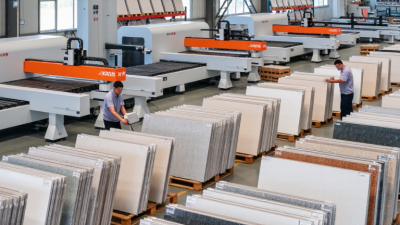
Picking the best Granite Veneer supplier in China isn’t just about flipping through photos and comparing prices, you know? There’s a lot more to it. It’s really important to look into the quality of the stone, the experience of the manufacturer, their export history, and how straightforward their communication is. A trustworthy supplier should be able to clearly explain things like where they source the quarries from, the thickness of their panels, surface treatment details, and installation guidelines. Those little details actually matter, especially when you’re working on something like hotel walls, commercial entrances, or outdoor facades that can get exposed to the elements. This guide aims to help you evaluate Chinese Granite Veneer suppliers based on real, tangible evidence. We look at factory capabilities, how consistent their samples are, their quality control processes, packaging practices, and what kind of after-sales support they offer. A serious manufacturer will usually provide recent project references, detailed inspection records, and samples that match what they send out in the end. Take a good look at the stone itself—check out the color variations, edges, mesh backing, and if there are any cracks visible under natural light. Those small details can make a huge difference. And experience shows in the questions a supplier asks too. Do they ask about your climate conditions, fixing systems, fire safety needs, and delivery timelines? Do they suggest the right type of granite for your project instead of just trying to push the cheapest option? Their responses can tell you a lot about their professionalism and knowledge. That said, be cautious—sometimes, supplier websites might look all shiny and convincing but lack real proof behind their claims. It’s always worth doing some independent inspections, third-party testing, or talking directly with the factory. Keep in mind, the biggest companies aren’t necessarily always the best fit. Sometimes, smaller to medium-sized Chinese manufacturers might actually offer more personalized support and flexibility when it comes to customizing your order. Others might have fancy machinery but lack proper documentation or communication. This guide doesn’t promise a one-size-fits-all answer, but it does highlight the strengths and potential risks of different suppliers. The goal is to help architects, contractors, and importers find a partner they can trust—one that offers reliable quality, transparent pricing, and realistic delivery timelines.
Read more »
Mia By:Mia - September 30, 2026
How to Choose the Best Soft Stone for Your Project

How to Choose the Best Soft Stone for Your Project

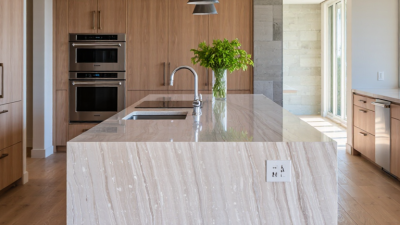
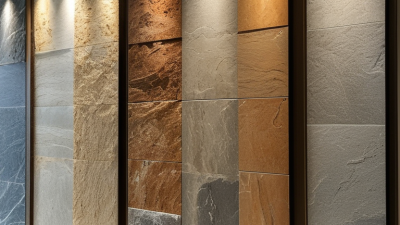
Choosing Soft Stone isn’t just about picking a pretty color. It’s really about balancing looks, durability, finish, and how you’ll actually use the space day to day. For example, a pale limestone might brighten up a dark, shady kitchen, but keep in mind that softer surfaces tend to show scratches and stains a lot easier than harder ones. Looks definitely matter, but so does how much upkeep it’ll need. Architect Peter Zumthor, who’s known for his thoughtful use of materials, once said, “Materials react with one another and have their radiance, and so composition is born.” That’s a really useful way to think about choosing stone. Think about how it’ll respond to light, wood, metal, water, and of course, how you’ll touch it. A honed surface feels quiet and smooth under your hand, while a polished slab might reflect the light from your windows—but it can also make marks and fingerprints stand out more. This guide is here to help you compare different types of stone, evaluate samples properly, and pick the right material for each space. It’ll also touch on all those practical details—porosity, thickness, edge profiles, sealing needs, and what your fabricator recommends. Make sure to ask for a full-size sample, not just a tiny chip in the showroom. Test it out under your actual lighting conditions and see how it looks in your space. And definitely ask what regular care really involves—because that matters. Always test a sample first. Even then, keep in mind that lighting and how it’s installed can totally change how a stone looks and feels. It’s worth being honest about that. The absolute *best* choice isn’t necessarily the one with the most stunning photo—it’s the one whose character, performance, and maintenance requirements fit your project and the people living with it. Ultimately, go with what feels right for your space and lifestyle.
Read more »
Sophia By:Sophia - September 26, 2026
What Are the Top Types of Flexible Stone Panels?

What Are the Top Types of Flexible Stone Panels?

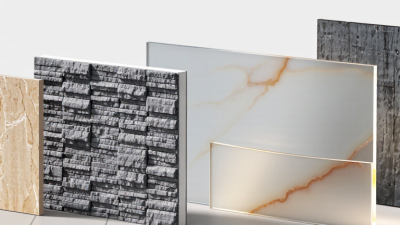
Flexible Stone Panels are really changing the game when it comes to bringing natural stone into spaces like homes, hotels, retail stores, and lightweight commercial interiors. These thin panels can bend and follow gentle curves, helping to reduce wall loads and giving you that classic stone look without the hassle of traditional masonry. But honestly, just how they look isn’t the only thing that matters when it comes to quality. In this guide, I’ll walk you through some of the top types of Flexible Stone Panels—think veneer sheets, textured stacked-stone panels, translucent options, and those designed to handle the outdoors. Each one is suited for different situations. For example, veneer sheets are great for feature walls or furniture fronts, while textured panels can really add dimension around fireplaces or reception areas. Translucent panels are pretty cool because they soften light behind counters or partitions, and exterior-rated ones? They’re built to stand up to moisture, UV rays, and changing weather. And, of course, real-world projects tend to reveal the true differences. Sometimes a panel might look super premium in a showroom, but when you see it under harsh side lighting, it looks uneven or lacks consistency. Some surfaces feel really natural, while others might show visible backing or have varying thickness—this isn’t always a flaw, but you definitely want to check these things out carefully. Experienced installers usually ask for samples beforehand, inspect the substrate, and make sure the adhesive will work well before you commit to a big order. Good suppliers will also provide technical data, cleaning tips, fire info, and guidelines for installation. Choosing the right panel really depends on your location, how much maintenance you're willing to do, your preferred textures, and your budget. There’s no one-size-fits-all here. This comparison focuses on how panels perform in real life, backed up by actual specs and lessons learned during installations—not just pretty pictures. I might miss some niche products or regional options, so I definitely recommend checking with qualified manufacturers and installers to get the most current info before making your decision.
Read more »
Sophia By:Sophia - September 23, 2026
Why Choose Stone Veneer Stone for Your Project?

Why Choose Stone Veneer Stone for Your Project?

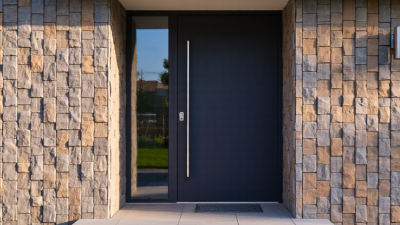
You might have heard of Stone Veneer Stone, but these days, it’s not just about adding some visual flair. People are using it for lighter construction, creating a seamless look, and even speeding up upgrades to building exteriors. According to Grand View Research, the global stone veneer market was worth around USD 2.4 billion in 2023. And that number is expected to keep growing steadily through 2030 — mainly because of home renovations and new commercial projects. But, hold on — all those numbers don’t tell the whole story. Market forecasts can differ quite a bit depending on how you define the product, what region you’re talking about, and the installation methods used. A single figure isn’t enough to guarantee it’s a solid long-term investment. That’s why organizations like the Natural Stone Institute stress the importance of choosing materials responsibly and making sure installations are done by qualified folks. Brent Anderson, a well-known educator in the stone industry, always likes to remind us, “Stone is a natural product, and every piece is unique.” That really hits home in any real project. Picture this: a townhouse entrance with thin veneer panels, uneven mortar joints, and shadows stretching across the surface in the late afternoon. It might look quite authentic at first glance, but there’s a catch — if drainage isn’t up to snuff, costly issues can pop up later. That’s why it’s crucial to follow ASTM standards, manufacturer guidelines, and local building codes. Experienced installers don’t just stack stone; they also check the strength of the substrate, make sure flashing and water management are in place, and consider freeze-thaw cycles. Here’s the takeaway — Stone Veneer Stone is a great way to add texture without the weight of full masonry. But before you jump in, it’s worth comparing factors like embodied impacts, maintenance needs, how far the material has traveled, and how long it’s expected to last. Some brands really shine, performing reliably over time, while others can fall short if installed hastily or taken shortcuts. In this chat, we’ll look into those differences more closely. I’ll connect the dots between market trends, real-world experiences, material testing, and smart design choices. The truth? It’s not always about choosing the most dramatic or expensive stone. Sometimes, a quieter, more understated option actually does the job better in the long run.
Read more »
Mia By:Mia - September 19, 2026
What Are the Top 10 Stone Wall Panels for Global Buyers?

What Are the Top 10 Stone Wall Panels for Global Buyers?

When it comes to choosing wall finishes, global buyers don’t just go for looks alone. The right Stone Wall Panels need to strike a good balance between texture, weight, durability, how quickly they’re installed, and local regulations. In this guide, I’ll walk you through ten popular panel options, from natural stone veneers and stacked slate to lightweight architectural composites. Each one offers a different vibe and suits different needs—some are perfect for hotel lobbies, while others work better on exteriors, retail fronts, or tight renovation projects. We’re focusing on the kind of info buyers can actually verify—like the source of the stone, what the panels are made of, backing systems, water absorption rates, how they handle freezing temperatures, fire ratings, and what kind of maintenance they need. We’ll also look at things like panel thickness, size, corner pieces, packaging, lead times, and how easy it is to replace damaged parts. Keep in mind, a showroom sample might look stunning under warm lighting, but it won’t always show things like color variations, weak edges, or how tricky installation might be. That’s why it’s just as important to check product data sheets, independent test reports, project references, and clear warranty info. No single ranking can cover everything, honestly. Factors like your climate, building height, local labor skills, and building codes can totally change what’s the best pick. So, if you’re importing, it’s smart to ask for up-to-date technical datasheets and complete samples before you place a big order. We also want to point out some practical stuff that’s easy to overlook—like damaged corners, inconsistent batches, or unclear cleaning instructions. The aim here isn’t to push one manufacturer over another. Instead, it’s about helping buyers around the globe compare Stone Wall Panels more confidently, with fewer surprises and a better grasp of long-term value.
Read more »
Mia By:Mia - September 15, 2026
How to Choose the Best Exterior Cladding from China?

How to Choose the Best Exterior Cladding from China?

Choosing the right exterior cladding from China isn’t just about crunching numbers and comparing prices online. Honestly, you gotta think about whether the product really fits the building’s climate, style, and how much maintenance it needs. For instance, if you’re working on a coastal project, you'll want something that resists corrosion pretty well. And if it's a cold region, paying attention to thermal movement and moisture can save you headaches down the line. Oh, and fire safety? That’s something to review early on—don’t wait until the last minute to check that out. Getting reliable info starts with clear specs. Make sure you know exactly what kind of panels you need—material type, thickness, coating system, dimensions, color accuracy, warranty details, and how they’re going to be installed. It’s totally helpful to ask for current technical datasheets and independent test reports. While samples are great for feeling the surface texture, they don’t tell you everything about long-term durability. Looking at factory audits, production photos, and quality control records can give you a better sense of what you’re really getting. And if possible, having a trusted local inspector check the raw materials, finished panels, packaging, and how the containers are loaded can make all the difference. Don’t jump to the cheapest quote right away—sometimes it’s a red flag. A reputable Chinese manufacturer should be able to answer your specific questions clearly. Ask about their production capacity, experience in export, how they handle replacements, and their previous quality records. Be sure to check if the price covers everything— tooling, protective films, pallets, testing, and delivery. Missing even a small detail now could end up costing you big time later on. Also, review Incoterms and import rules with a qualified logistics or customs expert. Experience has shown us that even the most careful buyers miss things. Color batches might vary slightly, installation drawings can be incomplete, and a beautiful sample might hide weak edges or poor protection. That’s why doing a trial order and testing a mock-up panel is such a smart move—better to catch issues early than after you’ve gone all-in. In the end, the best choice is one that balances good design, proven performance, clear communication, and overall project costs. China has plenty of capable suppliers, but reliable results come from thorough checks and verification—not just trusting promises. Keep your eyes open and don’t skip the due diligence—it’s worth it to get what you really need.
Read more »
Mia By:Mia - September 10, 2026
2026 Top Flexible Stone Supplier How to Choose the Best?

2026 Top Flexible Stone Supplier How to Choose the Best?

Choosing the right Flexible Stone supplier in 2026 isn’t just about comparing prices online. There’s more to it if you really want a quality product. Flexible Stone can do wonders—think curved walls, columns, ceilings, or furniture surfaces that look totally natural. But here’s the thing: not all factories produce the same quality, even if their pictures look similar. So, a good, reliable supplier should be upfront—sharing clear technical details, providing physical samples, and giving you traceable production info, so you know what you’re getting. Start with the material itself. Ask for samples that show the stone layer, backing mesh, adhesive side, and actual thickness. Then, try bending each sample gently around a small cylinder—see how it reacts. Any cracks, peeling, uneven coloring, or loose bits? That’s a red flag. Also, don’t forget to ask how they handle things like moisture resistance, fire safety, stability, and outdoor durability. These details are super important—imagine installing this on a damp bathroom wall or a sunny hotel entrance. A legit supplier should be able to explain installation guidelines and limitations without making stuff up or overselling what their product can do. Experience comes through in their communication, too. Someone who knows what they’re talking about can recommend the right substrates, adhesives, joint treatments, and cleaning methods. They should also be transparent about packaging, batch consistency, lead times, and policies for replacements. It’s good to ask for recent project references or independent test reports if they have any. Sure, factory photos help, but they don’t tell the whole story. An in-person visit or a live video tour can really reveal how they store their materials and whether they stick to good production practices. But hey, nobody’s perfect. Keep that in mind. Sometimes a sample might look great, but the larger batches could have subtle variations. So, I’d suggest setting all your requirements—like acceptable color differences and defects—before you order. It’s smart to compare at least three qualified suppliers and, beyond just price, think about their service and reliability. The cheapest isn’t always the best choice. Usually, the best supplier is the one who provides consistent quality, honest answers, and support if things get tricky during installation.
Read more »
Ethan By:Ethan - September 7, 2026
Why Choose Flexible Marble for Your Next Project?

Why Choose Flexible Marble for Your Next Project?

You know, as architects and designers keep pushing for all these new materials, flexible marble is really coming into its own — honestly, it’s a total game-changer. It’s celebrated for how versatile it is; you can smoothly mold it to fit just about any surface, which honestly opens up some pretty fresh aesthetic possibilities. I read somewhere that a recent report from the National Institute of Building Sciences pointed out that how adaptable your materials are actually plays a big role in making modern construction more sustainable. And flexible marble fits right into that vibe — it helps cut down on waste and can be cheaper than traditional stone, which is a win-win. Plus, it’s really lightweight, so installing it is way easier and quicker, saving you time and money on labor. Some studies have shown that using flexible marble can cut the overall weight of a structure by around 30%, which definitely shakes up your design game in a good way. Brands like Marmi Serafini are pushing its potential even further, making flexible marble a solid choice whether you’re working on a cozy home or a big commercial space. That said, it’s not perfect — you do need to be mindful of its limits. While flexible marble works really well in most scenarios, tough environmental conditions might give it a bit of a hard time. The trick is to use it thoughtfully, focusing on where its strengths really shine. All in all, investing in flexible marble can totally transform your spaces, blending beauty with functionality — honestly, it’s a pretty compelling option these days.
Read more »
Sophia By:Sophia - September 4, 2026
Why Choose Natural Stone Material for Your Next Project?

Why Choose Natural Stone Material for Your Next Project?

Lately, there's been a noticeable uptick in using natural stone materials in building and design projects. I mean, according to the Natural Stone Institute, this industry’s been growing around 7% a year — that's pretty impressive. You can really see the appreciation for how durable and beautiful natural stone is becoming. Experts like Dr. Susan R. Stone, who’s pretty much a go-to person in geological materials, even say, ‘Natural stone not only boosts the visual appeal but also adds real value to any project.’ Opting for natural stone isn't just about looks; it’s also a smarter move environmentally. It tends to need less upkeep than synthetic options and has that timeless vibe you just can’t get from man-made stuff. Plus, those unique textures and rich colors give your space an exclusive feel that you just can’t fake with synthetics. That said, working with natural stone can sometimes be tricky — sourcing the right kind and making sure it’s installed properly isn’t always straightforward. It’s one of those things where careful selection and good maintenance really make all the difference. As the market continues to expand, everyone involved—from homeowners to builders—has to deal with supply chain hiccups and price shifts. So, it’s super important to team up with certified professionals who know their stuff, to steer clear of common pitfalls. Knowing the ins and outs of natural stone can really help you get the most out of it. Chatting with experts can clear up doubts and help you make smarter decisions along the way.
Read more »
Mia By:Mia - August 15, 2026